
More than “just a pet” - Why pet grief deserves to be taken seriously

Death is a part of life, not just for humans, but for animals too. To mark National Pet Day 2026, guest blogger, Amy Jackson asks why the death of a pet is so often overlooked.
We’re quick to talk about how there is no right or wrong way to grieve, and how there is no such thing as a grief ‘hierarchy,’ but when it comes to the loss of a pet, those views can quickly change.
The stigma of pet grief
Some may argue that pet grief isn’t ‘real grief,’ and in many cases, people who have only ever experienced the loss of a human will also jump to that conclusion. In a 2025 survey by the RSPCA, over a third of people reported being told that their loss was ‘just a pet,’ and 57% of people believe there is a stigma around grieving a pet. What’s even more shocking, is that 7.5% of grieving pet owners fit the diagnostic criteria of prolonged grief disorder (PGD), and 1 in 5 people reported finding a pet death harder than a human death.
As someone who has experienced the loss of both human and animal family members, I can safely say that both pet grief and human grief bring up similar emotions and feelings. However, I can also say that I feel less of a stigma talking about the loss of my dad and my nan than I do my beloved family pets. For many children, including myself, losing a pet will be their first experience of death and grief, and acknowledging and supporting them through their grief can ensure that they are better equipped to cope with bereavement later in life. However, when it comes to adults grieving a pet, it’s a different story. According to the RSPCA survey, 93% of people reported feeling “heartbroken” over their loss, but only 6.9% felt their grief had been taken seriously by society. In addition, around half of the people surveyed reported experiencing symptoms of anxiety and depression because of their grief.
In a world where some elements of human grief are still misunderstood in society, it’s understandable why pet grief is something that is even more widely misunderstood. It’s also clear from findings that many people grieving a pet suffer in silence. However, the important thing to bear in mind is that grief is relational, not hierarchical. Just because someone is grieving a pet, it doesn’t make their loss any less valid that someone grieving a human. It’s the strength of the bond that matters most.
Why does losing a pet hurt so much?

While pet grief is often seen as a ‘lesser’ version of grief, it’s important to note that it’s still grief. Sometimes, the intensity of losing a pet can even take the person grieving by surprise. Going back to the RSPCA survey, 67% of people reported feeling shocked by how intense their grief was. However, looking at it in a little more depth, those intense feelings of grief can still make perfect sense.
Anyone who has lost a loved one is likely to have those random, trivial things that can trigger their grief.
For me, reminders of my dad come in the form of parrots (Jasper, his African Grey was his best friend), pineapple juice (he was craving it while he was in hospital and asked me to bring him some), and red Ford Fiestas (the car he drove - less of a trigger now, but not ideal during those first few months, it’s a very common car). It was the sight of the armchair in his living room that he always sat in, empty for the first time. For someone who is grieving a pet (and I’m including myself in this), those reminders can come in the form of beds, feeding bowls, catnip mice, leads, and collars that will no longer be worn.
As with a human loss, the loss of routine can also be a significant factor in grieving a pet. Someone who walks their dog twice a day may suddenly be faced with extra time on their hands. Others may be used to a furry alarm clock waking them up at 5am, demanding breakfast. In an everyday routine, these things are barely thought about, and in some cases, they can be the things that annoy us most during a busy, stressful day. However, it’s often those things that we miss the most when they’re gone.
More than ‘just a pet’
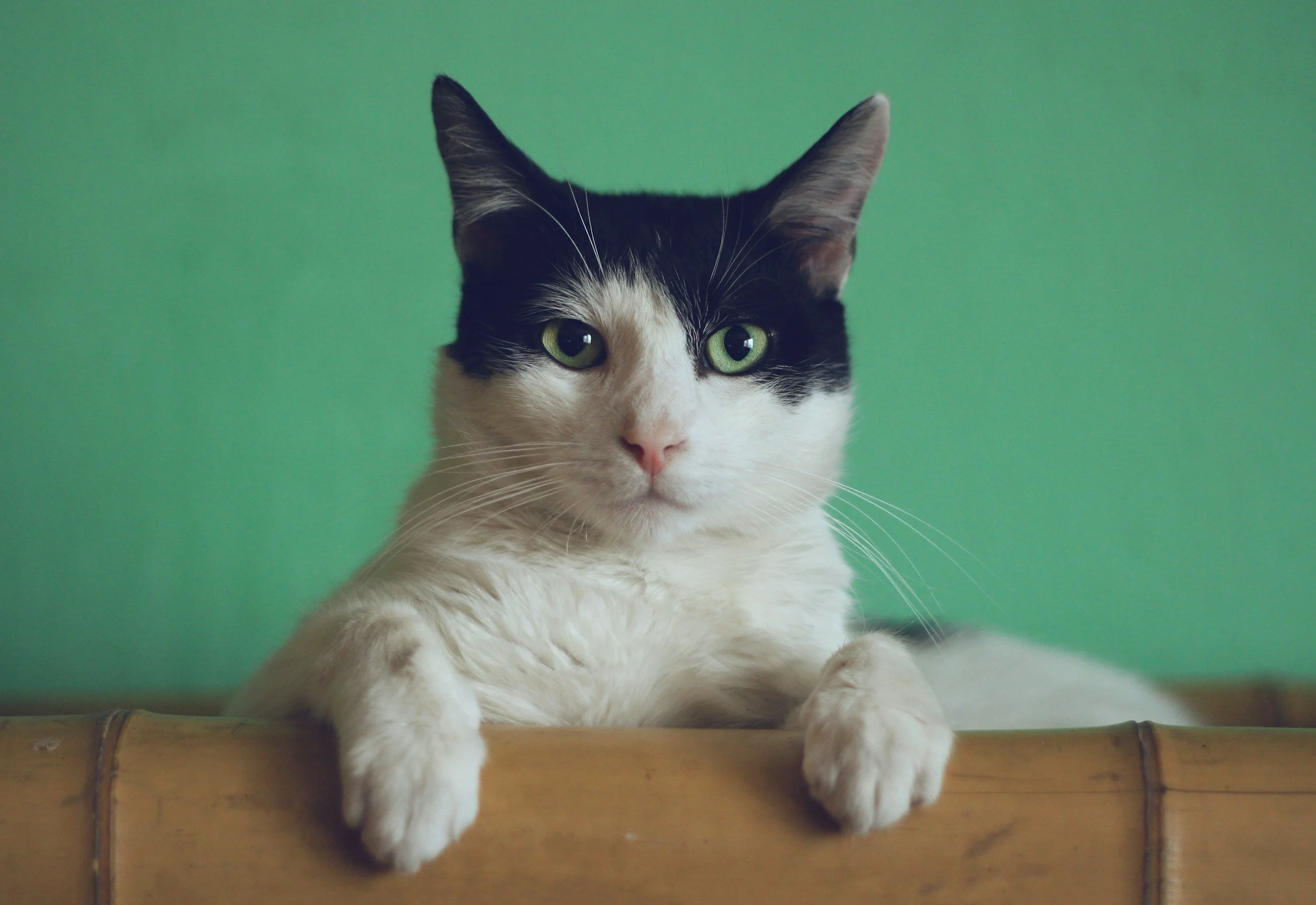
Pet grief can be more intense for those living alone, or who rely on pets as support animals. In some cases, a beloved pet can be the only company a person has. In others, support or therapy animals can play a huge part in helping someone coping day to day with a physical or mental illness, or even a personal challenge in life. Working at a hospice, I also regularly hear about the comfort and joy that a beloved pet can bring to a person approaching the end of their life.
I’ve spoken to people on our Inpatient Unit who have loved that they can be visited by their four-legged family members and nurses who’ve made it possible for patients to spend their final days at home with their pet. I’ll also never forget the iconic story of a woman in her final days who got to see her precious horse one last time, which I heard during my first week on the job.
There have been endless stories told about how an animal has changed an individual’s life for the better. While they’re more known for their heartbreaking endings, films such as Marley & Me (based on the memoir by John Grogan) are ultimately about the enrichment that animals can bring to our lives. Then there’s James Bowen’s bestselling 2012 memoir, A Street Cat Named Bob, which details the moving story of how an abandoned ginger cat he found while homeless provided him with companionship and purpose which ultimately aided him in his recovery from drug addiction. The book was adapted into a film in 2016, starring Bob himself. Bob sadly died in 2020, with Bowen telling fans:
“Bob saved my life. It’s as simple as that. He gave me so much more than companionship. With him at my side, I found a direction and purpose that I’d been missing. The success we achieved together through our books and films was miraculous. He’s met thousands of people, touched millions of lives. There’s never been a cat like him. And never will again. I feel like the light has gone out in my life. I will never forget him.”
Similarly, Professor Noel Fitzpatrick, AKA The Supervet, has been known for his compassionate, philosophical views around how the unconditional love of an animal can be life changing for so many of us.
“They’re not judgemental or vindictive. unless they have experienced cruelty, they live in the moment, approaching every encounter as a new opportunity to share their love. That is why some of the most vulnerable people often form the strongest bonds with their pets, because they are more open to that unconditional love.
I’ve seen a child with cerebral palsy whose dog soothed her to sleep, and a man with terminal cancer who died with dignity because of the strength he drew from his dog. It’s a symbiotic relationship: we express our love looking after them, they express theirs in the comfort they give us and it works. When our pets greet us, no matter how terrible our day, their delight in seeing us makes us feel better. When other relationships falter, their affection is guaranteed.”

For me, animals have always been a part of my family, they’ve never been ‘just a pet.’ As a teenager I was horribly bullied and my cat, Ozzy, was often who made me smile after some terrible days at school. As an adult, our family cat, Sooty, provided emotional support while I struggled with severe anxiety and what would later be diagnosed as obsessive-compulsive disorder (OCD).
He wasn’t a very sociable cat, but he always seemed to know when I was struggling the most and would be straight on my lap within minutes of me arriving at my mum’s house.
As Sooty and Ozzy did for me, pets can provide comfort to those navigating traumatic events. Having a dog to walk or a cat to feed can be someone’s sole reason to get out of bed in the morning during the worst time of their life. I’ve had my cat, Tilly, for 13 years, and during those first few weeks after my dad and later my nan died, she genuinely made me smile purely just by being there.
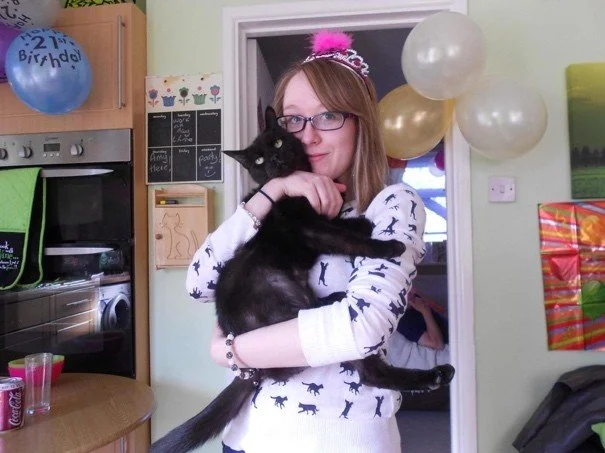
Sadly, as much as a pet can bring comfort during times of trauma, losing them could potentially re-awaken that trauma and bring about painful memories. On the flipside, trauma may even be a factor in the pet’s death itself.
We lost Ozzy after he was hit by a car, but he suffered some horrendous injuries, including the loss of his eye and a portion of his jaw. It was over ten years ago, but the image of him at the vet’s before my mum and I said goodbye to him still stays with me to this day.
Anticipatory grief and pet euthanasia
We often talk about anticipatory grief in human form but rarely do so when it comes to animals. However, the RSPCA found that 75% of the people they surveyed reported experiencing anticipatory grief towards their pets. This can be especially true in the case of older or sick pets, and the question around when it’s time to let them go, with “when is the right time to put my pet to sleep?” being a popular search term on Google. The decision to say goodbye to a beloved pet can be equally painful as the loss itself, with many fearing they will make it too soon or too late, particularly if the animal is suffering. Others may struggle to decide whether to be with their pet during their final moments, a decision we don’t always get to make when a human or loved one is approaching the end of their life.
More recently, the concept of pet euthanasia has been featured in the debate around assisted dying. Some have argued that we’re quick to euthanise an animal to avoid them suffering a painful death, so why would we put humans through the same; while others argue that the two are not comparable, with the relevance to human life being far more complex than that of an animal.
How to cope with the loss of a pet – where to find pet bereavement support
Resources are available for those seeking pet bereavement support. Animal charities such as the RSPCA, Dogs Trust, Cats Protection and Blue Cross, among others, all offer advice on the topic, many of which also provide specific guidance for those seeking support for children after pet loss. In particular, the Blue Cross offers their Pet Loss Support Service, which includes a dedicated pet loss helpline. The service is run by volunteers, all of whom have experienced the loss of a pet themselves.

Grief is relational, not hierarchical
The topic of pet grief is likely to be one that has mixed views, but it’s clear through research that it’s an issue that is widely misunderstood in society. As an animal lover myself, I will admit to being biased. However, having experienced both human loss and animal loss, I think it is fair to say that how you experience grief is your experience and yours alone. What your loss means to you is what matters. Even when it comes to human loss, society is so quick to place grief in a ‘hierarchy.’ In some cases, the loss of a parent can be seen to “trump” the loss of a grandparent or an aunt or an uncle, but what’s not being considered is the relationship you had with the person you’ve lost. It’s the same in the case of our furry or four-legged family members too. A pet may be the only companionship to a person who is estranged from their human family. Or, quite simply, a pet could genuinely be someone’s sole reason to get out of bed in the morning. Grief in all its forms, should be acknowledged and treated with compassion.
Whatever your opinion on grieving the loss of a pet, the contribution that animals make to our lives should still be acknowledged and respected. Animals provide unconditional love that for many, enriches life and changes it for the better. They are one of many things in life that can support us in living well and making the most out of it, and for a lucky few of us, our beloved pets will be with us at the end, too.
