
World Suicide Prevention Day: combating the stigma of suicide
Every year on 10 September, people around the world mark World Suicide Prevention Day. Suicide remains a significant public health issue in the UK. Recent figures show that more than 7,000 people died by suicide across the UK in 2024, with men accounting for around three-quarters of those deaths. “Everything got on top of me and I tried to kill myself. I thought my kids would be better off without me." Brian, 50.

Grieving someone you’ve never met: Why celebrity deaths can feel so personal
With the deaths of Dolly Parton and Jim Curry dominating social media platforms, Amy Jackson reflects on why celebrity deaths can feel so personal and why grieving for someone you have never met may not be so weird.
Why are people still dying in ways they never wanted?
A new report from Compassion in Dying, Bridging the Gap: How to Ensure People's Decisions are Respected at the End of Life, has revealed a troubling reality: too many people in the UK are still dying in ways they explicitly said they did not want. Find out more.
Can you die of a broken heart?
For centuries, people have used the idea of a broken heart to describe overwhelming grief and loss. While it was once thought to be purely poetic, modern medicine suggests there may be more truth to the phrase than we once realised.

Burial or cremation? Understanding your options
When someone dies, one of the most significant decisions their family may need to make is how their body will be laid to rest. In the UK, cremation remains the most common choice, accounting for around 77% of funerals. There is no right or wrong answer. Understanding the advantages and disadvantages of both options can help you think about what feels right for you and your loved ones.
How much does a funeral cost?
Arranging a funeral is one of the most difficult responsibilities many people face. Alongside grief, families are often required to make practical decisions quickly, including choices about cost. In 2026, funeral expenses in the UK continue to rise, making it all the more important to understand what to expect and where the costs come from.

Mother language matters when people die – reflections of a hospice nurse
Agata Czerwińska, Dorothy House Specialist Nurse, has been practising palliative care for 25 years — initially in her home country of Poland, and later in the UK. Over the years, as a foreign healthcare professional delivering direct palliative care in the UK, she has observed how important it is for dying people to communicate in their mother tongue at the end of their lives. Here are her moving reflections.
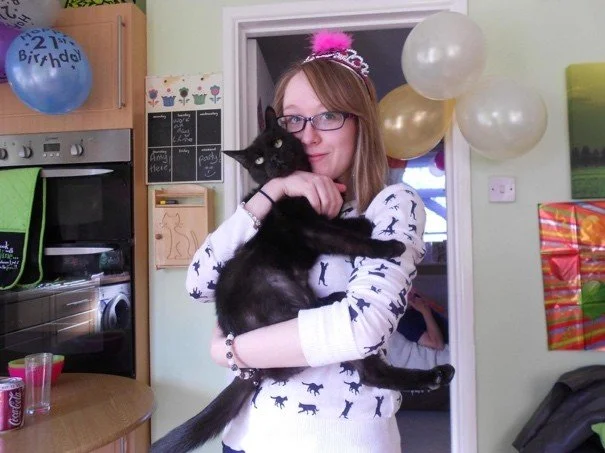
More than “just a pet” - Why pet grief deserves to be taken seriously
Death is a part of life, not just for humans, but for animals too. To mark National Pet Day 2026, guest blogger, Amy Jackson asks why the death of a pet is so often overlooked. We’re quick to talk about how there is no right or wrong way to grieve, and how there is no such thing as a grief ‘hierarchy,’ but when it comes to the loss of a pet, those views can quickly change.
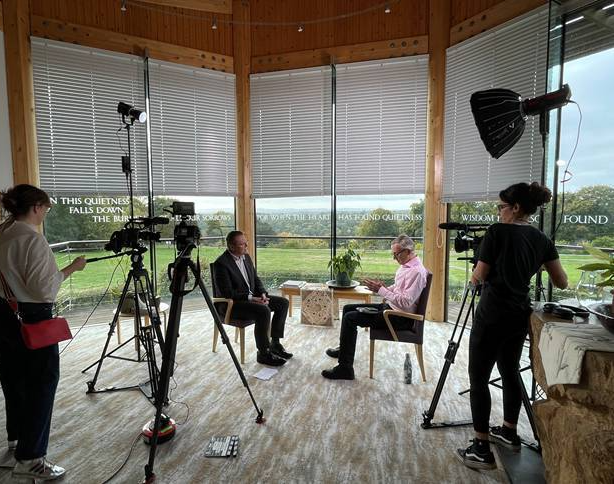
Assisted Dying: What's Next?
In Panorama's latest documentary, 'Assisted Dying: What's Next?', the BBC's medical editor, Fergus Walsh, talks to leading supporters and opponents, and visits a Dorothy House, a hospice near Bath, to talk to patients at the end of their lives. Will assisted dying ever happen in the UK, and how would it work if it did?

What to do when someone dies
When someone dies, it can be a very complicated and confusing time for next of kin. Not only is it deeply emotional, but there are practical steps that must take place. We’ve put together a helpful guide to the essential steps to make the process simple and straightforward.
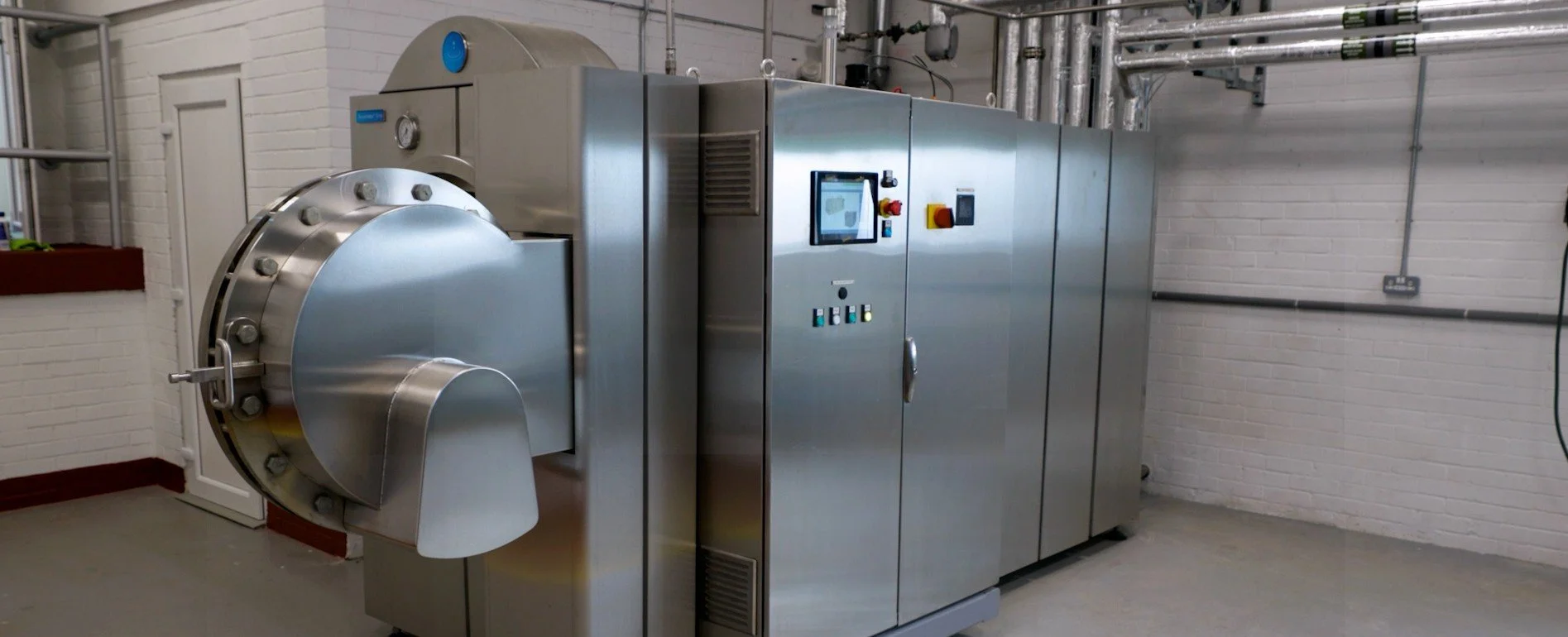
Water cremation in the UK
Scotland is now the first part of the UK to introduce water cremation, with regulations approved and the option officially available from 2 March 2026. The Scottish Government has confirmed that funeral directors can now offer the process, and the first procedures are expected to take place this summer. For many, this may be the first time they have heard about water cremation. Here are our FAQs to help you understand how it works and why someone might choose it.
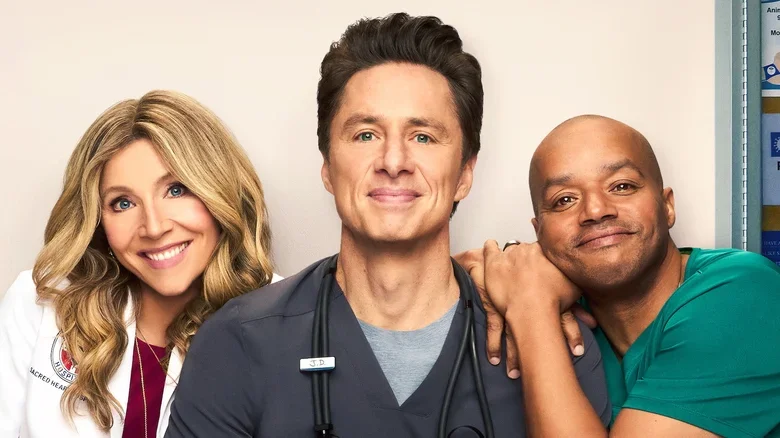
How Scrubs handles death and grief
One of the most talked about TV shows this spring is the return of the hit medical comedy, Scrubs, after being off our screens for the last 16 years. While billed as a comedy, Scrubs has never shied away from difficult topics, especially when it comes to death and dying. Throughout nine seasons, there are a handful of episodes that truly stand out when it comes to themes of death and grief. Discover our favourites.
Interview with a pathologist: what happens during a post-mortem examination
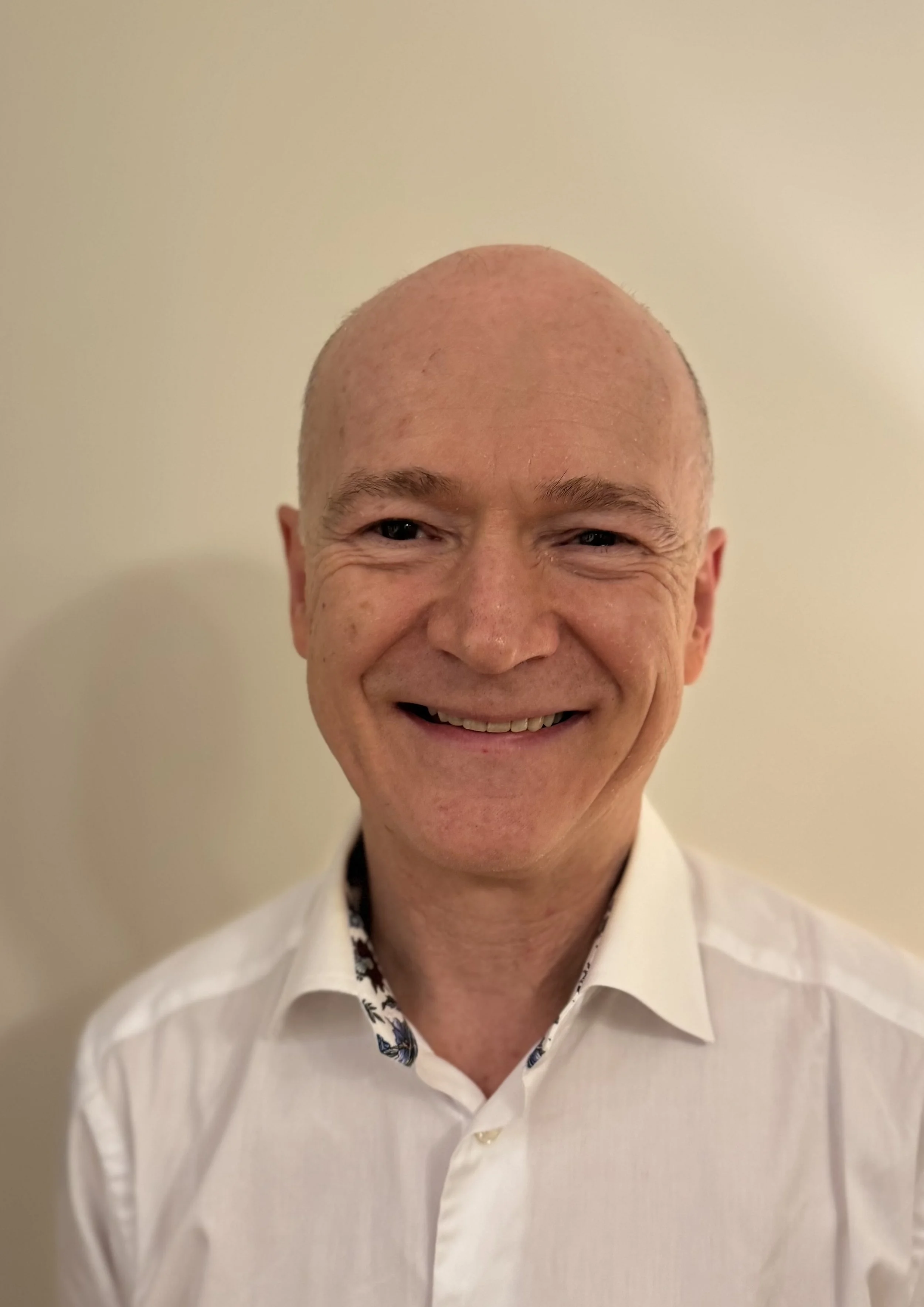
We were delighted to have the opportunity to speak to Chris Meehan, Consultant Histopathologist at the Royal United Hospital in Bath about his work on post-mortems. For some, the topic of autopsies is taboo; a subject too uncomfortable to approach. For others, it’s a fascinating, though slightly squeamish reality. So what are Chris’s thoughts on post-mortem and public perception?

Valentine’s Day: Sex, intimacy and relationships at the end of life
When someone is living with a terminal illness, nearly every part of life can shift, including how they feel about their body, their sexuality, and their relationships. Studies have shown that many patients nearing the end of their lives have expressed that sex and intimacy are essential to them; however, it is often overlooked by healthcare professionals and not commonly discussed.

Dying for Sex TV Review
Many end of life patients have expressed that sex and intimacy are essential to them; however, it is often overlooked by healthcare professionals and often taboo. Dying for Sex steers directly into that very topic, but at the same time, explores themes of empowerment and healing from trauma, as well as what it means to face mortality. Read our review.

Life After: A Reflection on Choice, Equity and the Fragility of Humanity
Saiyada Fazal, Organisational and People Development Partner at Dorothy House Hospice Care, recently attended the premiere of Life After, a film focusing on the topic of assisted dying from the perspective of disabled people. Here is her insightful and poignant review on Life After.
Being a Compassionate Companion
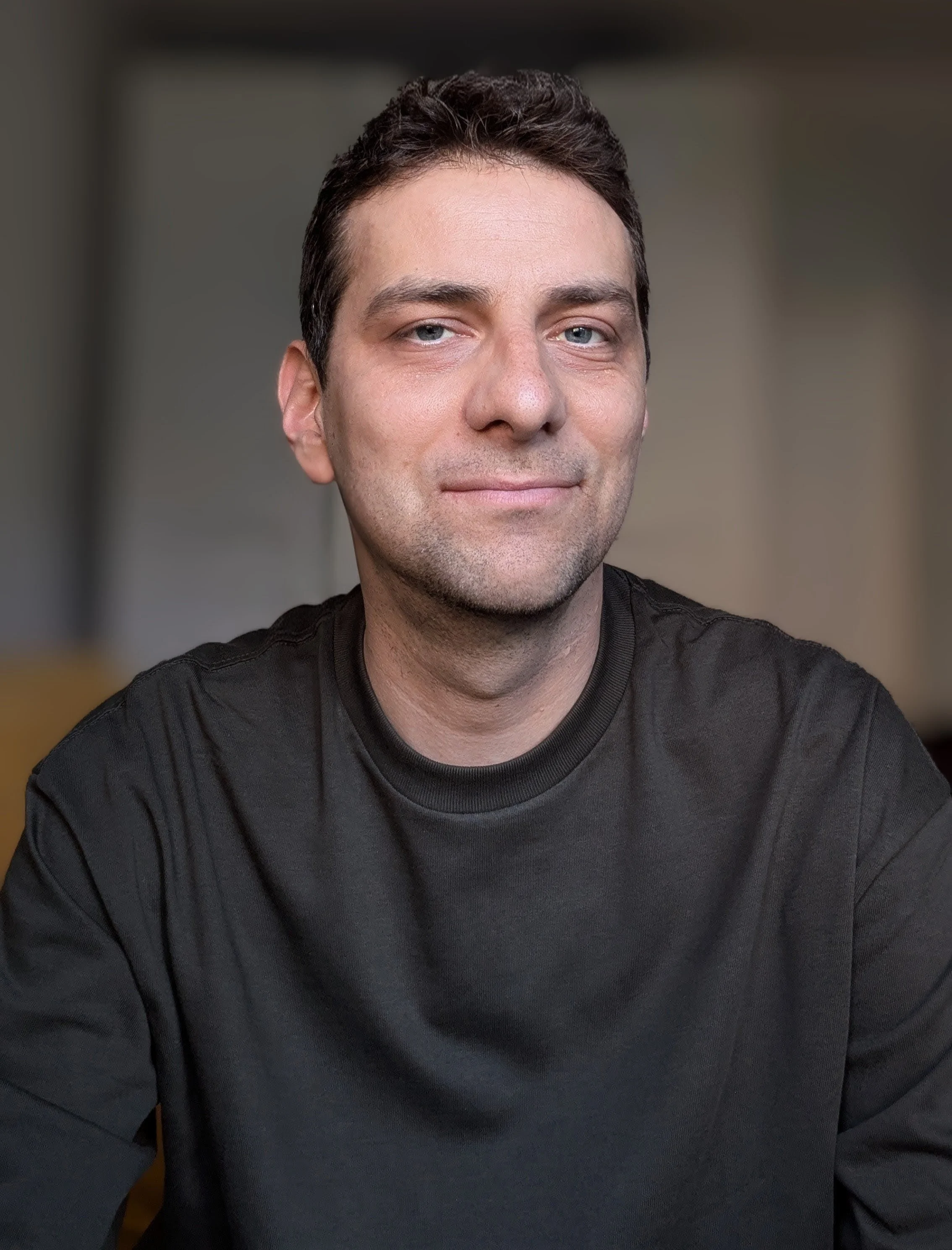
Albert recently qualified as an integrative counsellor, focusing on loss and grief, and considers himself part of the death-positive movement. In our latest blog, Albert explains his role as a volunteer Compassionate Companion, and what the experience means to him.

Post-mortem photography: a window into the past
In the modern age of smart phones, we often take it for granted that thousands of images exist of ourselves, available at the click of a button, photos taken in seconds and at no cost. But for many families in the 19th and early 20th centuries, post-mortem photography was the only chance to capture an image of a loved one.

London Month of the Dead: spooky soirées and morbid musings
Stephen Coates is the co-creator of London Month of the Dead, a fascinating festival of talks, tours and events about death and mortality, running throughout October. In our latest blog, we find out all about this scintillating series and why Stephen and Suzette Field launched their annual festival of the dead.

Becoming a death doula
Mangala Holland is a death doula in training, having completed a foundation course with Living Well Dying Well. Having worked in the sexual wellness world for 12 years, she is no stranger to journeying with people through tender, challenging and intimate times. In our latest blog we ask her why and how she became a death doula.