How much does a funeral cost?
Arranging a funeral is one of the most difficult responsibilities many people face. Alongside grief, families are often required to make practical decisions quickly, including choices about cost.
In 2026, funeral expenses in the UK continue to rise, making it all the more important to understand what to expect and where the costs come from.
What does a funeral cost?

The cost of a funeral in the UK varies depending on the type of service, location, and personal choices. On average, a simple attended funeral is now estimated to cost between £3,800 and £4,500. Many families, however, find the total cost rises to around £5,000 or more once all elements are included. When additional features such as flowers, catering, or memorials are added, the overall cost can increase significantly, sometimes reaching £6,000 to £9,000 or beyond.
These rising costs reflect wider pressures, including increased energy prices, staffing costs, and higher fees set by crematoria and local authorities.
How costs differ depending on the type of funeral
One of the biggest influences on cost is the type of funeral chosen. Direct cremation is the simplest and most affordable option. This involves no formal service or mourners present and typically costs between £1,200 and £1,800. Many families who choose this option hold a separate memorial or celebration of life later.

Cremation with a service remains the most common choice across the UK. This type of funeral usually costs in the region of £4,000 to £4,800 and includes the ceremony, funeral director services, and cremation fees.
Burials are generally more expensive. A burial with a service can cost between £5,500 and £7,000 or more, with additional costs coming from the purchase of a burial plot and memorial. In some areas, particularly in larger cities where space is limited, costs can exceed £10,000.
What are you paying for?
Funeral costs are usually made up of several different components. The largest share tends to be the funeral director’s fees, which can range from around £1,500 to £3,000. These fees typically cover caring for the person who has died, providing a coffin, organising the funeral, and arranging transport and staff for the day.
Alongside this, there are third-party costs, sometimes known as disbursements. These include fees for cremation or burial, as well as payments for a celebrant or minister. For cremation funerals, these additional costs often add around £900 to £1,200 to the total bill.
Many families also choose to include additional elements such as flowers, printed orders of service, or a wake. These personal touches can add meaning to the day, but they can also increase the overall cost considerably, depending on what is chosen.
Why funeral costs can vary so much
There is no fixed price for a funeral, and costs can differ widely across the UK. Location plays a significant role, with services in urban areas typically costing more than those in rural areas. The type of funeral chosen, the level of personalisation, and the funeral provider itself can also make a substantial difference.
Prices between funeral directors can vary even for similar services, which means that comparing quotes can help families make informed decisions and potentially reduce costs.
A changing approach to funerals
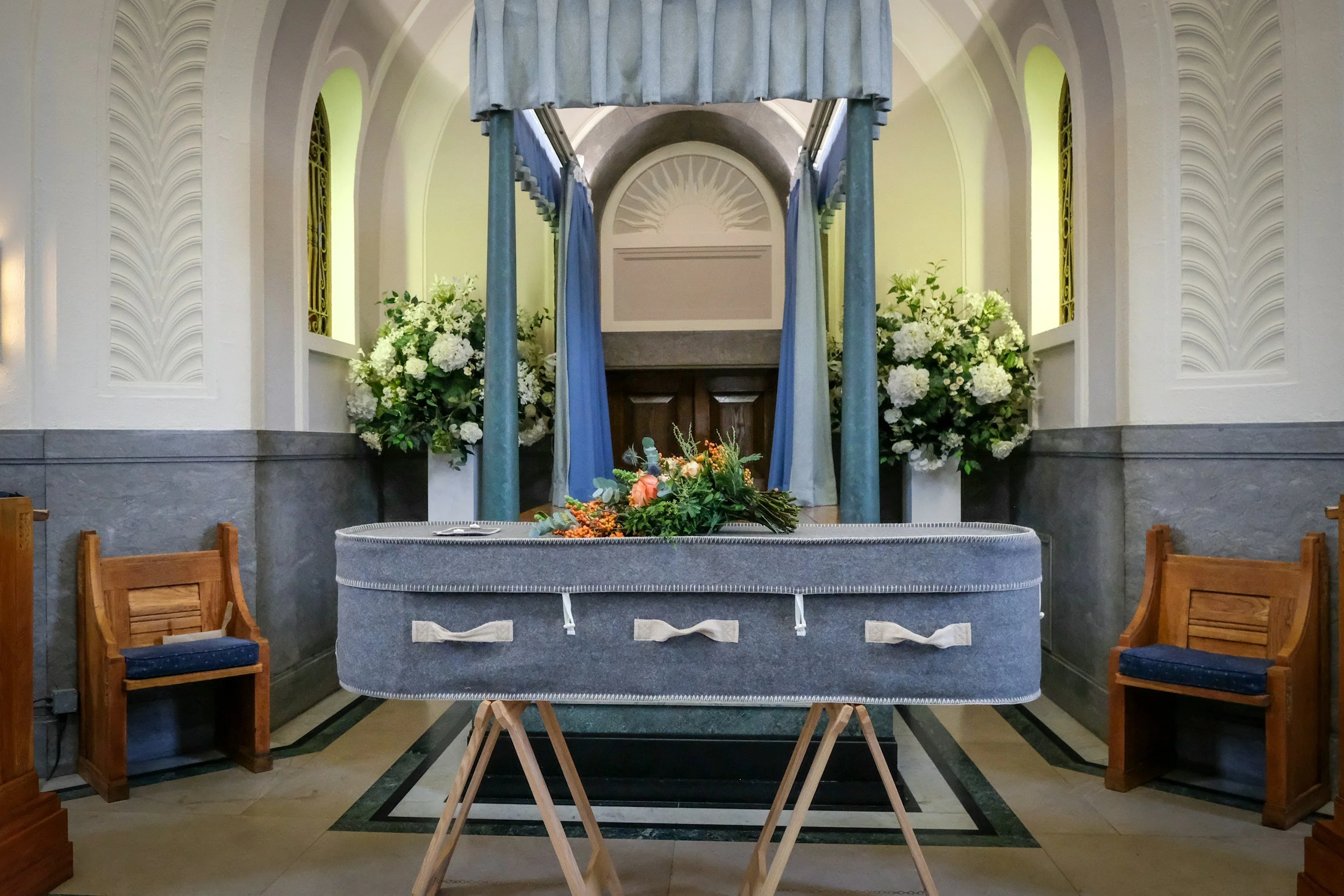
As costs rise, there is a growing shift in how funerals are planned. More families are choosing simpler options or separating the practical arrangements from the personal gathering. Direct cremation, followed by a memorial at a later date, is becoming increasingly common.
This reflects a broader change in attitudes, with many people focusing on creating meaningful and personal ways to remember someone, rather than feeling tied to traditional formats.
How insurance can help
If you’re concerned about the costs, a prepaid funeral plan is a way to arrange and pay for your own funeral in advance, either through a one-off payment or in instalments, with the intention of covering key elements such as the funeral director’s services and burial or cremation costs. By setting out these arrangements ahead of time, the plan helps reduce the financial burden and practical responsibilities placed on family and friends at a difficult time, while also ensuring that personal wishes are known and respected. Many plans also aim to protect against rising funeral costs by fixing prices or guaranteeing services, although what is included can vary, meaning loved ones may still need to meet any additional or optional expenses not covered by the plan.
Funeral insurance is another option some people choose to prepare for these expenses. Also known as over‑50s life insurance, it involves paying a regular monthly premium in return for a fixed lump sum that is paid to loved ones after death. This money is often used to contribute towards funeral expenses, although families can use it however they wish. Unlike a prepaid funeral plan, funeral insurance does not arrange or guarantee the details of a funeral, and the pay out may not fully cover the total cost, particularly as prices continue to rise.
Policies are typically easy to take out, often without medical checks, and can provide reassurance that some financial support will be available, though it is important to be aware that there may be waiting periods before full cover applies and that claims must be processed before funds are released.
Making informed and personal choices
Understanding funeral costs is not about reducing the importance of a funeral. Instead, it helps people make decisions that feel right for them, both emotionally and financially.
A meaningful farewell does not depend on how much is spent. Whether simple or traditional, the most important thing is creating space to remember, reflect, and honour a life lived.
Sources:
https://www.funeral-directory.co.uk/guides/how-much-does-a-funeral-cost-uk-2026/
https://withfarra.co.uk/guides/funeral-costs-uk-2026
https://ukcostguide.co.uk/funeral-costs-uk-2026/
https://cremationcompare.co.uk/guides/funeral-cost-uk