
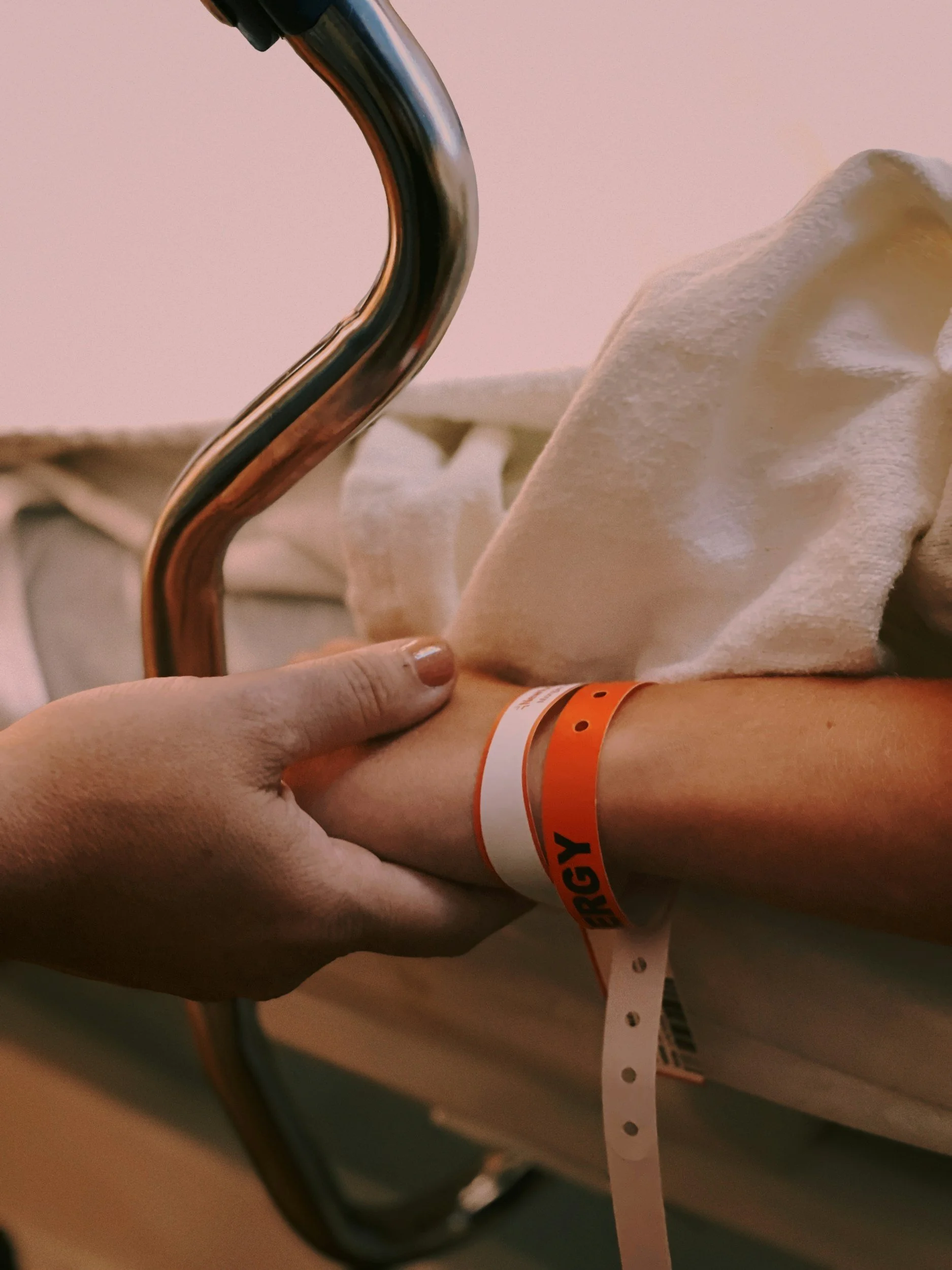
What happens during the dying process?
Death is one of the few experiences every human being shares, yet many of us know very little about what actually happens as someone approaches the end of their life. Whether you're supporting a loved one, planning ahead, or simply seeking understanding, learning about the dying process can help make what often feels frightening a little less mysterious.

Death Cafes explained: What to expect and why you should attend one
It’s no secret that death is a topic many of us avoid talking about. If you’re not sure where to start, a good place to begin can be your nearest death cafe. To someone who is perhaps reluctant to face their own mortality, or who simply sees death as a scary or depressing topic, the idea of a death cafe may not seem appealing. However, I can confirm that’s not the case – in fact, it’s actually a very uplifting experience.

Comedy and grief: Finding laughter in life’s darkest moments
For some of us, comedy can be a lifeline through life’s darkest moments. It could be in the form of books, podcasts, films, stand-up, or a much-loved sitcom. For guest blogger, Amy Jackson, stand-up comedy has been a love of hers since her teens, with her earliest favourites being the likes of Lee Evans and Russell Howard. In this blog, Amy explores the relationship between death and comedy, and why we use humour to cope with grief.

World Suicide Prevention Day: combating the stigma of suicide
Every year on 10 September, people around the world mark World Suicide Prevention Day. Suicide remains a significant public health issue in the UK. Recent figures show that more than 7,000 people died by suicide across the UK in 2024, with men accounting for around three-quarters of those deaths. “Everything got on top of me and I tried to kill myself. I thought my kids would be better off without me." Brian, 50.

Grieving someone you’ve never met: Why celebrity deaths can feel so personal
With the deaths of Dolly Parton and Jim Curry dominating social media platforms, Amy Jackson reflects on why celebrity deaths can feel so personal and why grieving for someone you have never met may not be so weird.

Why are people still dying in ways they never wanted?
A new report from Compassion in Dying, Bridging the Gap: How to Ensure People's Decisions are Respected at the End of Life, has revealed a troubling reality: too many people in the UK are still dying in ways they explicitly said they did not want. Find out more.

Can you die of a broken heart?
For centuries, people have used the idea of a broken heart to describe overwhelming grief and loss. While it was once thought to be purely poetic, modern medicine suggests there may be more truth to the phrase than we once realised.

Burial or cremation? Understanding your options
When someone dies, one of the most significant decisions their family may need to make is how their body will be laid to rest. In the UK, cremation remains the most common choice, accounting for around 77% of funerals. There is no right or wrong answer. Understanding the advantages and disadvantages of both options can help you think about what feels right for you and your loved ones.

How much does a funeral cost?
Arranging a funeral is one of the most difficult responsibilities many people face. Alongside grief, families are often required to make practical decisions quickly, including choices about cost. In 2026, funeral expenses in the UK continue to rise, making it all the more important to understand what to expect and where the costs come from.

Mother language matters when people die – reflections of a hospice nurse
Agata Czerwińska, Dorothy House Specialist Nurse, has been practising palliative care for 25 years — initially in her home country of Poland, and later in the UK. Over the years, as a foreign healthcare professional delivering direct palliative care in the UK, she has observed how important it is for dying people to communicate in their mother tongue at the end of their lives. Here are her moving reflections.

What to do when someone dies
When someone dies, it can be a very complicated and confusing time for next of kin. Not only is it deeply emotional, but there are practical steps that must take place. We’ve put together a helpful guide to the essential steps to make the process simple and straightforward.

How Scrubs handles death and grief
One of the most talked about TV shows this spring is the return of the hit medical comedy, Scrubs, after being off our screens for the last 16 years. While billed as a comedy, Scrubs has never shied away from difficult topics, especially when it comes to death and dying. Throughout nine seasons, there are a handful of episodes that truly stand out when it comes to themes of death and grief. Discover our favourites.

Interview with a pathologist: what happens during a post-mortem examination
We were delighted to have the opportunity to speak to Chris Meehan, Consultant Histopathologist at the Royal United Hospital in Bath about his work on post-mortems. For some, the topic of autopsies is taboo; a subject too uncomfortable to approach. For others, it’s a fascinating, though slightly squeamish reality. So what are Chris’s thoughts on post-mortem and public perception?

Valentine’s Day: Sex, intimacy and relationships at the end of life
When someone is living with a terminal illness, nearly every part of life can shift, including how they feel about their body, their sexuality, and their relationships. Studies have shown that many patients nearing the end of their lives have expressed that sex and intimacy are essential to them; however, it is often overlooked by healthcare professionals and not commonly discussed.

Dying for Sex TV Review
Many end of life patients have expressed that sex and intimacy are essential to them; however, it is often overlooked by healthcare professionals and often taboo. Dying for Sex steers directly into that very topic, but at the same time, explores themes of empowerment and healing from trauma, as well as what it means to face mortality. Read our review.

The history of death masks: faces of the departed
Throughout history, humans have longed to remember the dead—not just in spirit, but in form. Among the most haunting and intimate expressions of this desire is the death mask: a cast taken from a person’s face shortly after death. From Tutankhamun to Lenin, let’s take a look at death masks through history.

Books for children and young people – International Children’s Book Day
We know that death and dying is a taboo topic for most adults, but this is especially the case when communicating it to children and young people. To mark International Children’s Book Day on 2 April, Part of Life explores some of the most popular children’s books on death, dying and grief.

Assisted dying in the UK: compassion or manslaughter?
As MPs voted in favour of Kim Leadbeater’s Private Member’s Bill on Assisted Dying, we delve deeper into the issues of assisted dying and explore opinions on both sides of the debate.

Burial customs from around the world
In the western world, though our funerary practices are evolving, we are most familiar with two methods to dispose of the dead: burial and cremation. In other parts of the world, the treatment of the dead and disposal of remains can vary enormously, with vastly differing rituals and beliefs.

A Good Goodbye
What makes a good goodbye? We invited independent funeral celebrant, and ex-social worker, Susanna Watson to share her thoughts on what elements make for a good funeral send off.