When you die, one of the most significant decisions your family may need to make is how your body will be laid to rest. For many people, this choice is deeply personal and may be influenced by faith, family traditions, environmental values, costs, or simply personal preference.
In the UK, cremation remains the most common choice, accounting for around 77% of funerals, but burial continues to hold great meaning for many families.
There is no right or wrong answer. Understanding the advantages and disadvantages of both options can help you think about what feels right for you and your loved ones.
Burial: A Traditional Choice
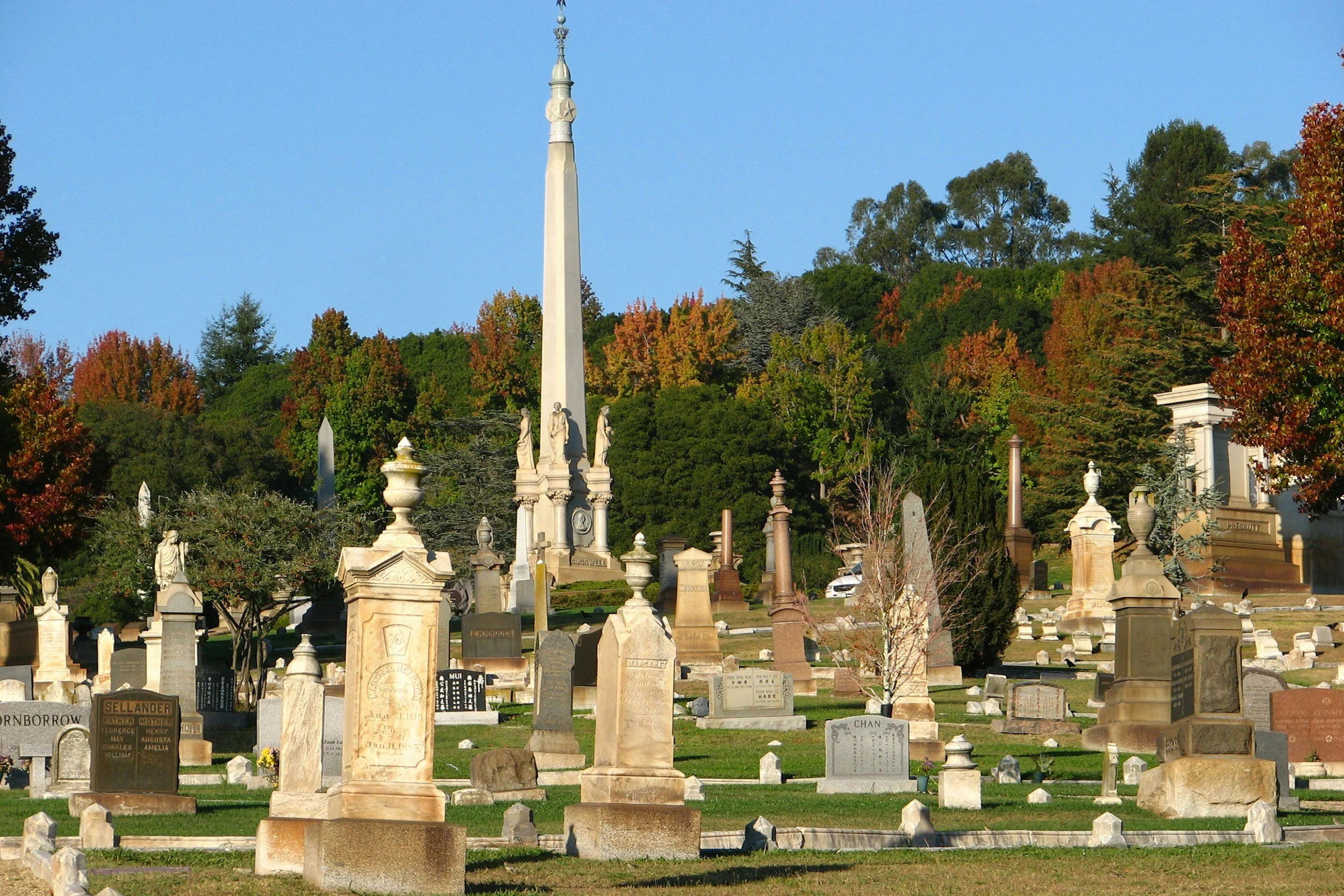
Burial involves placing a coffin or shroud in the ground, usually within a cemetery, churchyard, or natural burial ground.
Many people find comfort in having a permanent place to visit and remember someone who has died. A grave can become an important focal point for grief, reflection, and family remembrance over generations.
Pros of burial
A dedicated place to visit
For some families, having a grave provides comfort. It offers a physical location where loved ones can leave flowers, spend time reflecting, and maintain a connection with the person who has died.
Religious and cultural significance
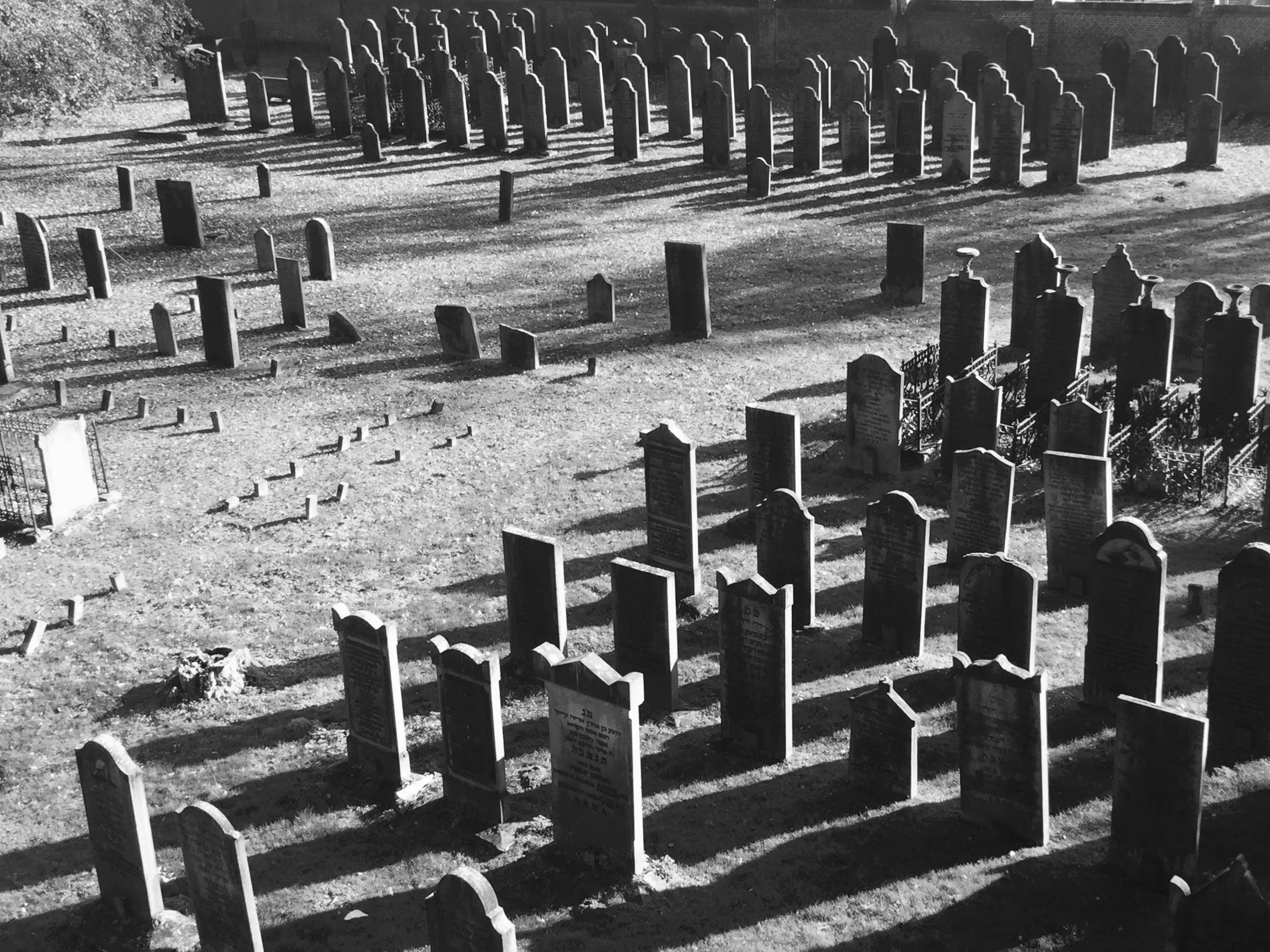
Many faiths and cultures traditionally favour burial, and some religions require it.
Natural burial options
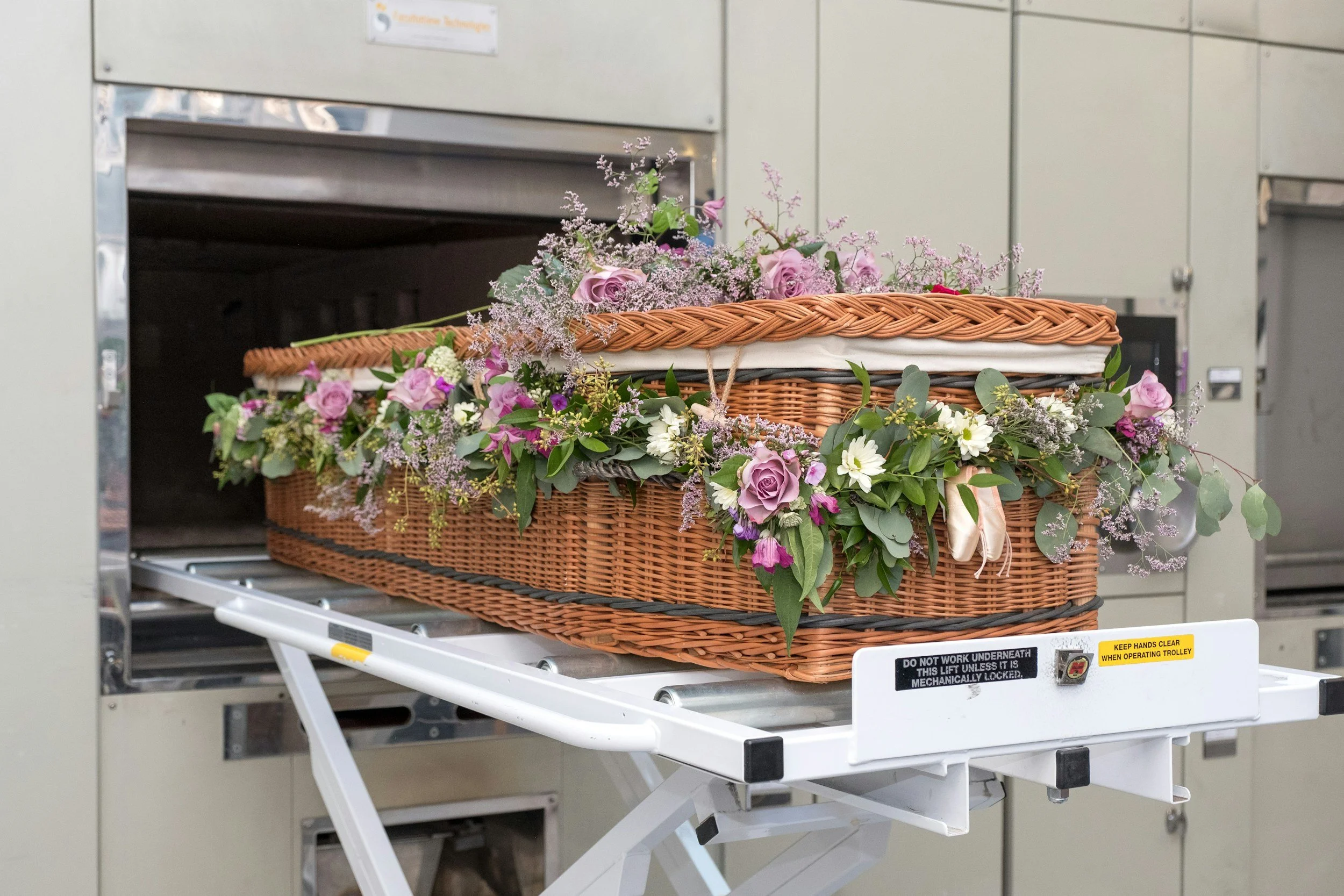
Natural or woodland burials are becoming increasingly popular. These use biodegradable coffins or shrouds and avoid embalming chemicals, helping to reduce environmental impact.
Cons of burial
Higher costs
Burial is typically more expensive than cremation. Costs often include purchasing a grave plot, interment fees, and potentially a headstone or memorial. In many parts of the UK, a burial funeral can cost £5,000–£7,000 or more.
Ongoing expenses
There may be future costs for maintaining the grave or renewing burial rights in some areas.
Land use
Traditional burial requires dedicated land, which can be in short supply in some parts of the country. Burial plots often remain in use for many decades, meaning they occupy space long term.
Environmental concerns
Traditional burials may involve hardwood coffins, concrete grave liners, embalming fluids, and cemetery maintenance, all of which can have environmental consequences.
Cremation: the most common UK choice
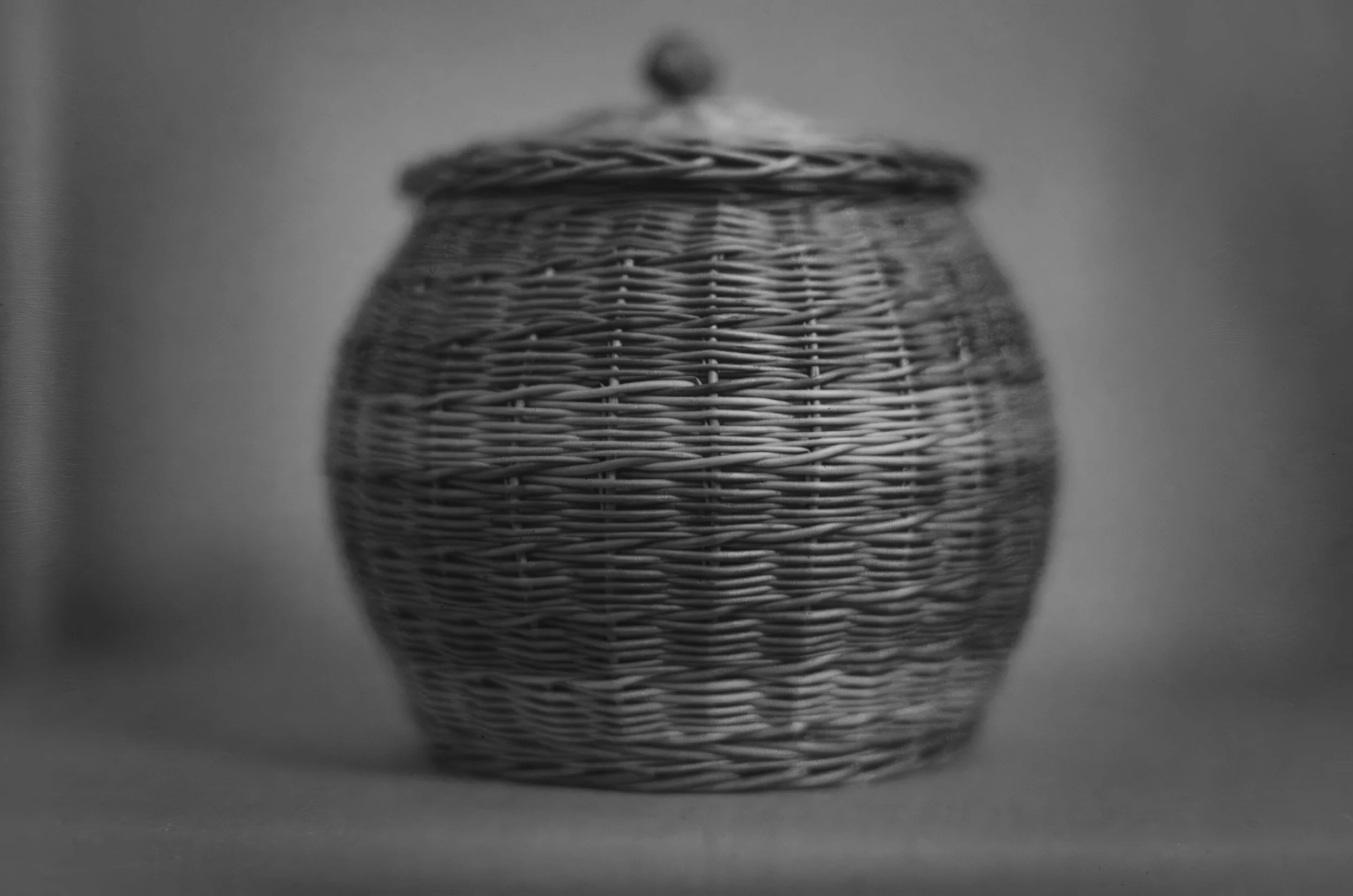
Cremation uses high temperatures to reduce the body to ashes, which are then returned to the family.
Many families appreciate the flexibility cremation offers.
Ashes can be kept, buried, scattered in a meaningful place (subject to permissions), or incorporated into memorial items.
Pros of Cremation
Usually less expensive
Cremation is generally cheaper than burial. The average cremation funeral costs around £3,800–£4,200, while direct cremation can cost significantly less.
Flexibility
Families do not need to make immediate decisions about memorialisation. Ashes can be scattered, buried, stored, or divided between family members.
Less land required
Unlike burial, cremation does not require a permanent grave plot, reducing the long-term demand for cemetery land.
Cons of Cremation
Carbon emissions and air pollution concerns
Cremation requires significant energy and releases carbon dioxide into the atmosphere. Estimates suggest a single cremation can produce around 160–400kg of CO₂. Modern crematoria operate under strict regulations, but cremation can still generate emissions and other pollutants.
No permanent memorial location
Unless ashes are buried or placed in a memorial garden, some families feel there is no dedicated place to visit and remember their loved one.
May not align with religious beliefs
Certain faiths and cultural traditions prefer or require burial over cremation.
Thinking About the Environment
Environmental concerns are increasingly influencing funeral choices. Neither cremation nor traditional burial is entirely impact-free. Cremation uses fuel and produces emissions, while burial uses land and may involve materials and chemicals that affect the environment. For people wanting a more environmentally conscious option, natural burial grounds offer a lower-impact alternative. These sites typically prohibit embalming chemicals, require biodegradable coffins, and often encourage habitat conservation. There are now more than 270 natural burial grounds across the UK.
Other emerging alternatives, such as water cremation (sometimes called resomation or alkaline hydrolysis), are also beginning to attract interest, although they remain relatively limited in availability in the UK.
What's most important to you?
When deciding between burial and cremation, it can help to consider:
Your personal values and beliefs
Religious or cultural preferences
Your wishes for memorialisation
Environmental considerations
Financial implications for you and your family
Whether having a permanent place to visit feels important
Remember, there is no universally "best" option. The right choice is the one that reflects your values, beliefs, and wishes. Taking time to think about these questions now can provide reassurance for you and clarity for those you leave behind.
https://www.funeral-directory.co.uk/guides/cremation-vs-burial/
https://withfarra.co.uk/guides/green-funeral-options-uk
https://natural-burial-grounds.co.uk/natural-burial-vs-cremation/
https://smartsmssolutions.com/resources/blog/uk/uk-funeral-costs-guide-calculator
https://smartsmssolutions.com/resources/blog/uk/cremation-vs-burial-costs-uk
https://godirectcremations.co.uk/cremation-vs-burial-environmental-impact/