Why are people still dying in ways they never wanted?
A new report from Compassion in Dying, Bridging the Gap: How to Ensure People's Decisions are Respected at the End of Life, has revealed a troubling reality: too many people in the UK are still dying in ways they explicitly said they did not want.
The report brings together two years of data from Compassion in Dying's nurse-led support service, alongside interviews with frontline health and care professionals. Its findings highlight a gap between what people want at the end of life and the care they ultimately receive.
For many of us, making plans for our future healthcare can bring peace of mind. Whether it's having conversations with loved ones, creating an advance statement, appointing a Lasting Power of Attorney, or recording treatment preferences, these actions can help ensure our voices are heard. But according to this latest report, having plans in place is not always enough.
The choices people want
One of the report's most striking findings is that most people are not asking for every available medical intervention at the end of life. Compassion in Dying cites previous research showing that eight in ten people would prioritise quality of life over living longer in their final years.
Many people want comfort, dignity and control. They may choose to avoid invasive treatment if it offers little benefit, or prefer to remain at home rather than be admitted to hospital. Yet the report found that these preferences are often lost as people move through different parts of the healthcare system.
As one consultant interviewed for the report observed:
"Most of the time, people aren't making bad decisions, they're making decisions in bad conditions."
Why does this happen?
The report concludes that the problem is rarely a lack of compassion among healthcare professionals. Instead, clinicians described working within systems that can make it difficult to honour people's wishes. Professionals spoke about an entrenched culture in which doing more treatment can feel safer than doing less. Some described a form of "death denial" within healthcare, where death is viewed as a failure rather than a natural part of life.
One consultant explained:
"Stopping feels like failing. We're trained to intervene; death doesn't fit comfortably with that."
Another clinician said:
"It feels safer to act than not act."
When plans get lost
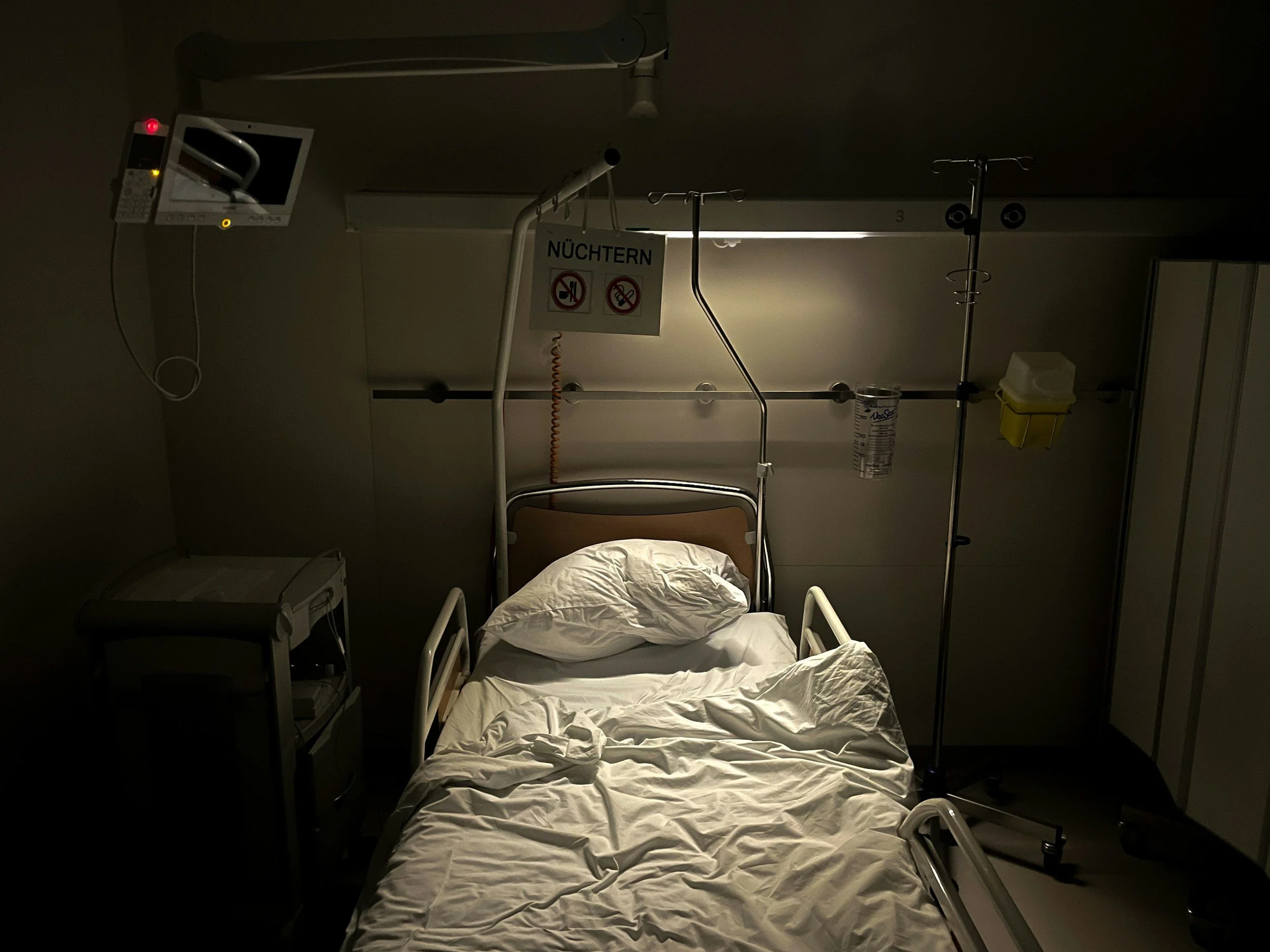
The report also found that important documents and conversations can fail to follow people through the healthcare system. Professionals described a confusing patchwork of forms, records and care plans that may not be accessible when decisions need to be made quickly.
Multiple services can be involved in a person's care, including GPs, hospitals, ambulance crews, district nurses and care homes. In these situations, information can become fragmented and difficult to access and the consequence can be devastating.
People supported by Compassion in Dying reported unwanted treatments, prolonged deaths and situations where their carefully recorded wishes were disregarded. The charity says that plans can become "lost in translation" during moments of crisis, exactly when they are needed most.
Growing demand for support
Compassion in Dying's findings are based on substantial evidence gathered through its support service. Since the service launched in 2023, it has supported 326 individuals across 601 calls and emails. Demand continues to rise, with contacts increasing by 59% in 2025 compared with the first year of operation.
Many of the people seeking help had already taken proactive steps to plan ahead. Yet they still struggled to ensure that their wishes, or those of a loved one, were respected.
What needs to change?
The report calls for practical reforms that would make it easier for people's choices to be known and respected. These include:
A national public health campaign encouraging conversations about end-of-life wishes.
More opportunities for people to record their decisions and preferences.
Better digital record systems so information is available when it matters most.
Greater confidence and training for health and care professionals around end-of-life decision-making.
Stronger support for good community-based care.
Why this matters to all of us
Everyone deserves the opportunity to make informed decisions about their future treatment and care, and to trust that those decisions will be respected when the time comes.
You can read the full report here: Bridging the Gap: How to Ensure People's Decisions are Respected at the End of Life.