
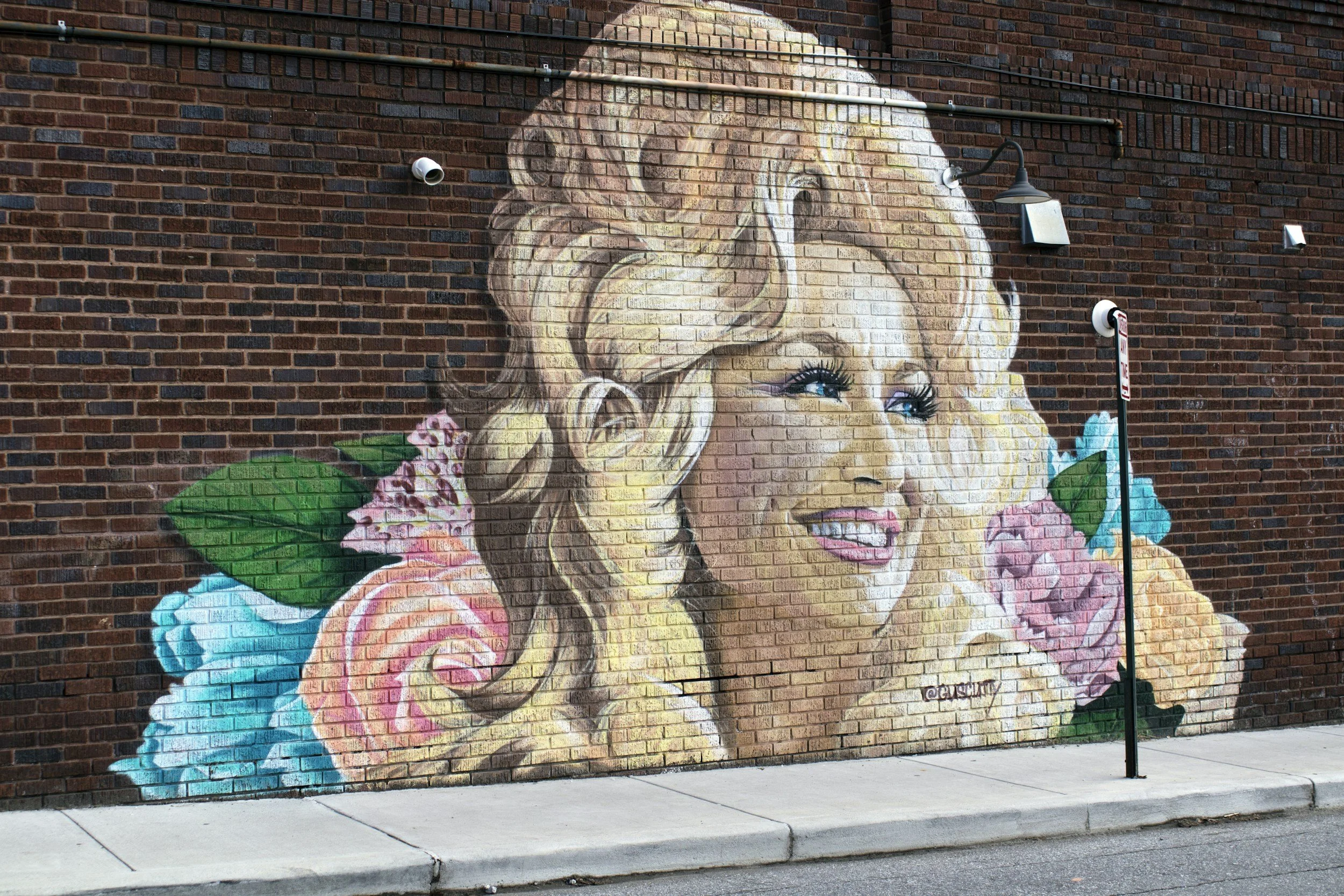
Ask anyone. Most of us will be able to name a celebrity whose death has stuck with us the most. It may depend on our personal circumstances at the time, our interests, or most likely, our generation. Amy Jackson delves deeper into this curious conversation.
Discussions on Reddit and other community-based platforms show that many Boomers report the deaths of Elvis Presley, John Lennon, and Princess Diana as the most shocking and defining of their time, while for Gen X, it’s music icons Prince, George Michael, Kurt Cobain and David Bowie. For Millennials, it’s the likes of Robin Williams, Steve Irwin, and Heath Ledger that still stick in their minds.
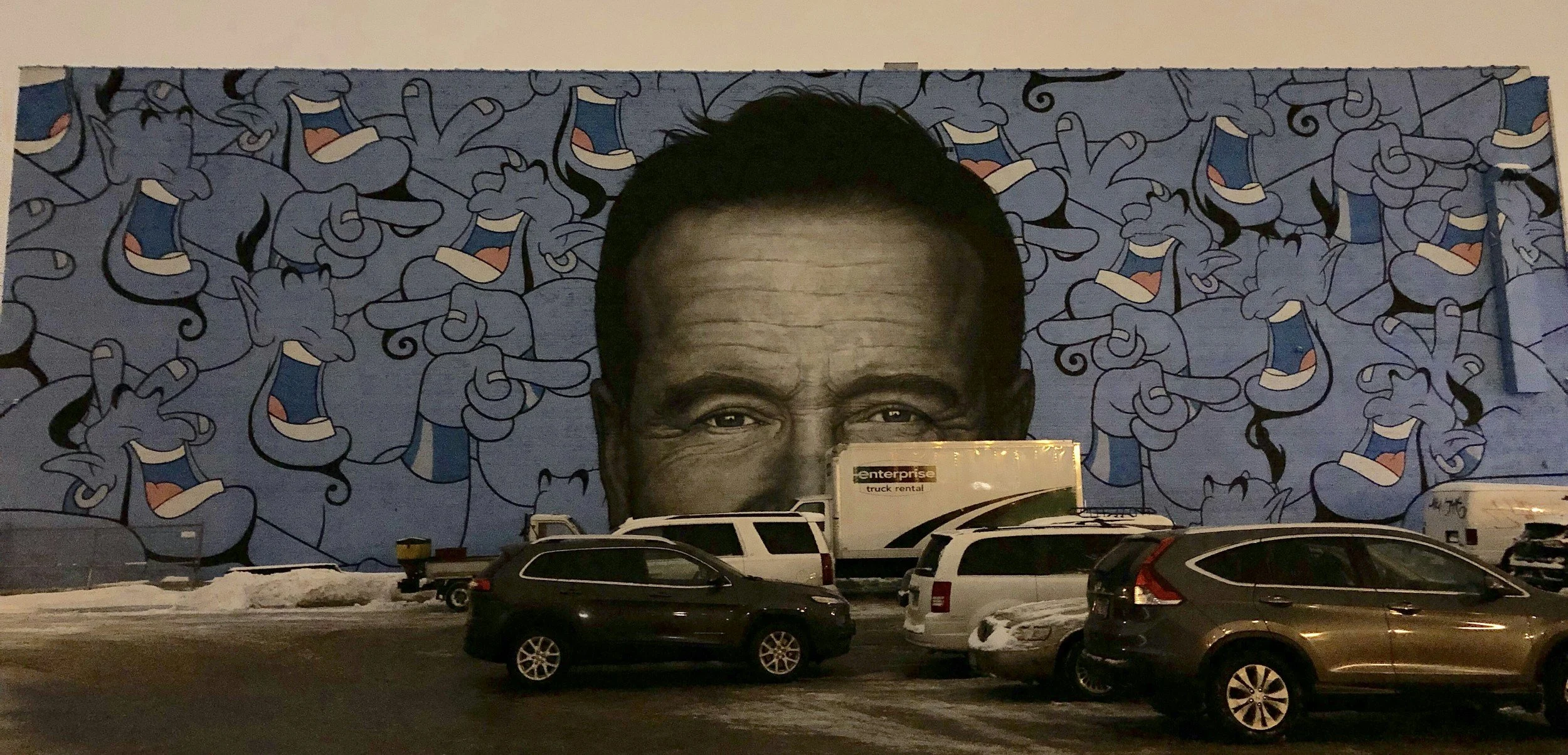
Personally, several celebrity deaths have stuck with me over the past few years. Comedian Sean Lock and actor Matthew Perry were of a particular shock, as was John Mahoney, who played the loveable Martin Crane in Frasier, my ultimate comfort TV show. Most recently, it was Eric Dane, who played Dr Mark Sloan (aka Dr McSteamy) in Grey’s Anatomy, another comfort show and one I was binging at the time when the news broke of his death from motor neurone disease (more commonly known as ALS or Lou Gehrig’s Disease in the States). However, falling into the Millennial category myself, or the most significant celebrity death I remember is that of comedy legend Robin Williams. While he was known for a plethora of iconic roles, to me, he was Mrs Doubtfire, and the genie from Aladdin, and his death was probably the first time I genuinely felt heartbroken around the loss of a celebrity. To this day I'm no longer able to watch Mrs Doubtfire without ugly crying.
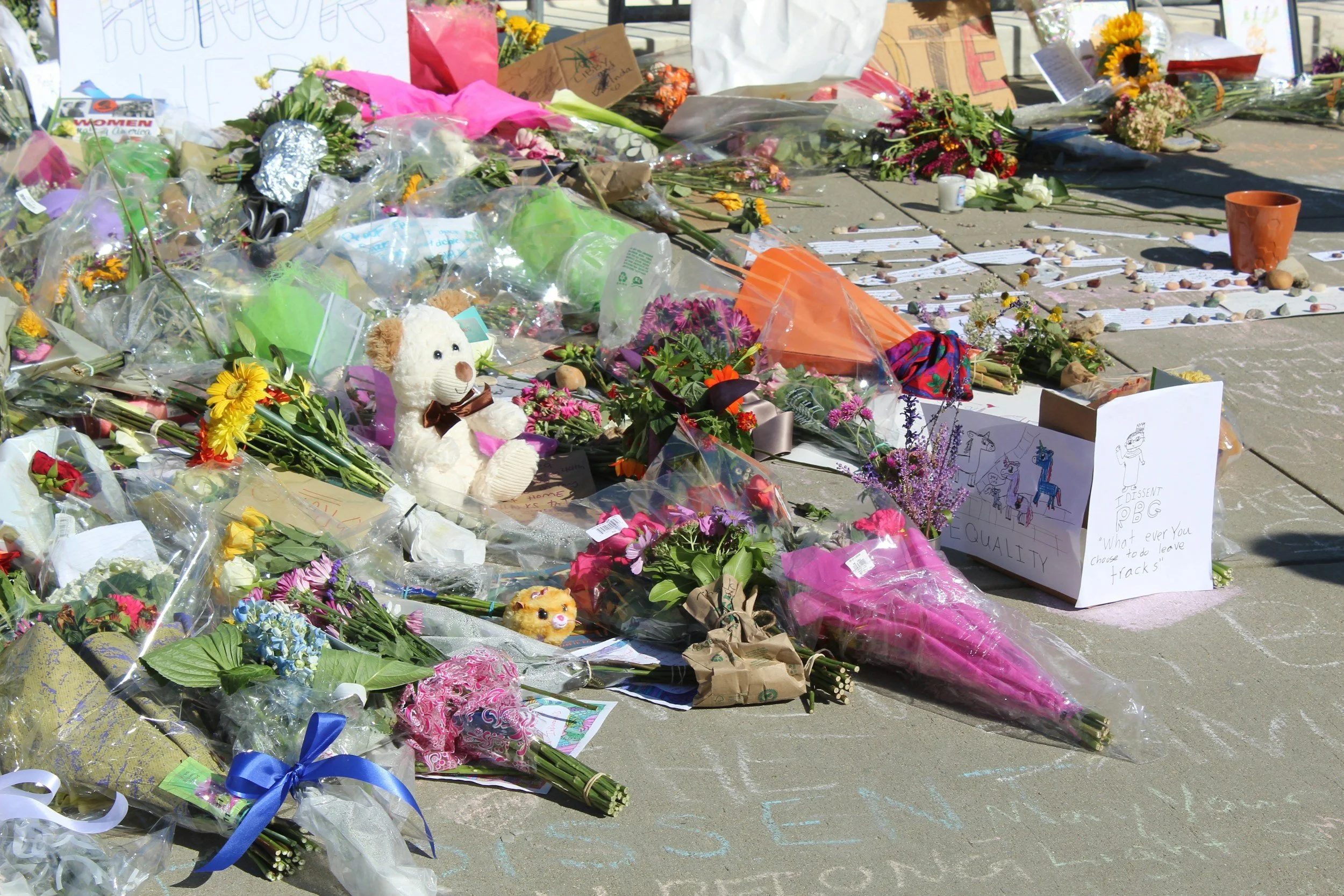
We’re over halfway through 2026, and already this year, the film, TV and music industries have lost some iconic figures - Catherine O’Hara, James Van Der Beek, Bonnie Tyler, and Anthony Head to name a few. At the time of writing, this week, the industry is mourning two more – Dolly Parton and Tim Curry. As with most celebrity deaths, tributes have poured in across news outlets and social media all over the world, not just from colleagues and fellow performers in their respective industries, but also from the general population. Fans have been pictured on Hollywood Boulevard placing flowers and tributes (even red lipstick!) on Dolly Parton’s Walk of Fame star, while Rocky Horror fans have been gathering in New York outside of Studio 54 (the show’s current Broadway home) to pay tribute to Tim Curry.
So, why do celebrity deaths affect us so significantly? Why can you end up grieving someone you’ve never met? And most importantly, what can celebrity grief teach us about understanding our own experiences of loss?
Is grieving someone you’ve never met a normal thing?
Many people feel surprised or even guilty about being upset when a celebrity or public figure dies, but when we explore it further, it makes sense. Grief doesn’t require a personal relationship to be valid. When it comes to celebrities, we develop what’s known as a ‘parasocial relationship.’
Parasocial relationships are one-sided emotional connections that we form with people who are unaware of our existence, such as celebrities, influencers and public figures. Although that person doesn’t know us individually, from our side, we know the details of their lives, we know their stories, and we invite them into our homes in various different media forms, whether that’s TV, films, music, books or podcasts.
That connection we make can be for any number of reasons. We can find relatability in their content with our own stories or personal circumstances, that person may bring us comfort during a difficult time, or it could simply be that we like that person, their content, and what they stand for.
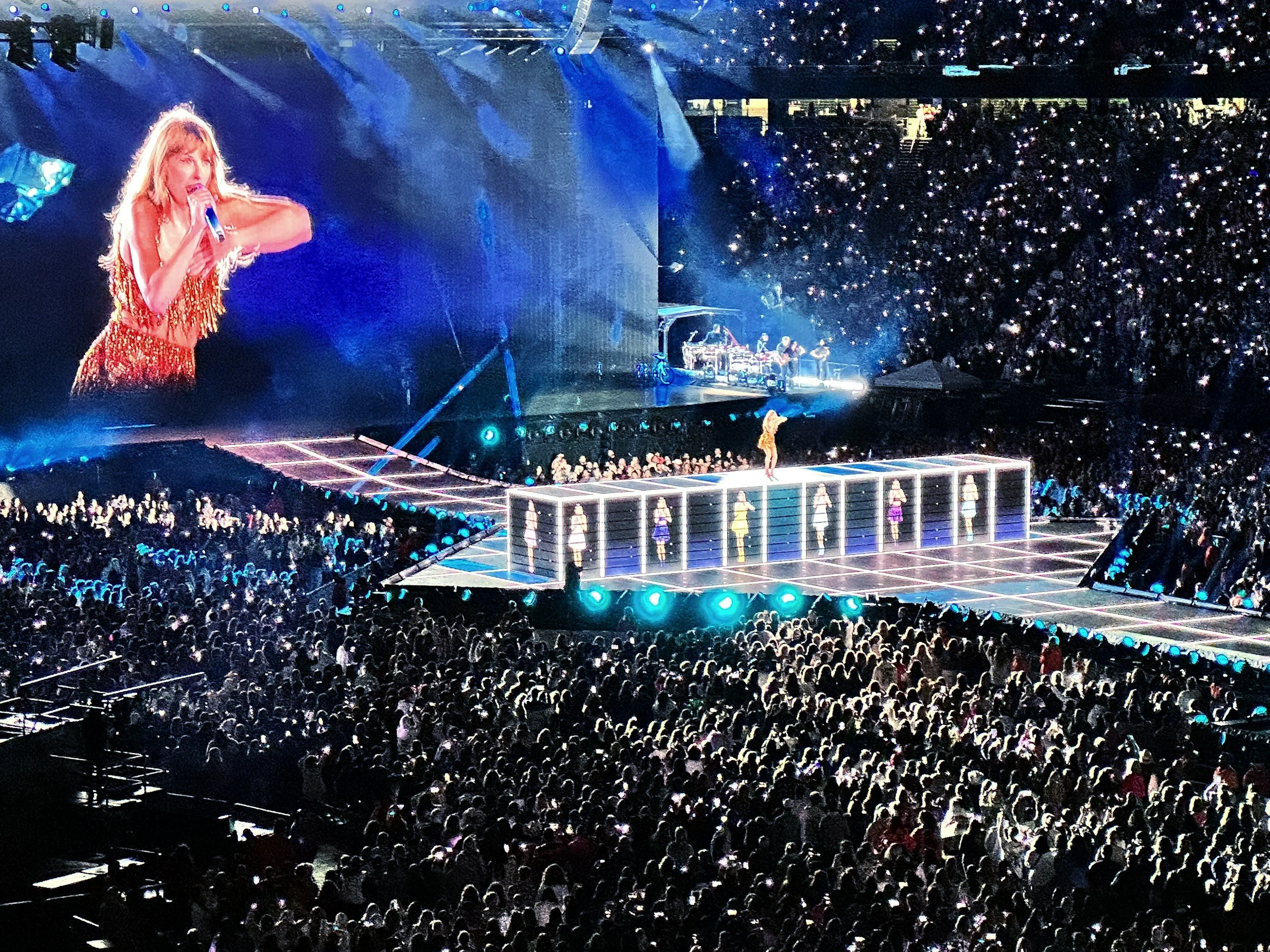
So, contrary to what many believe, yes. Grieving someone you’ve never met is indeed normal. To give it the proper psychological term: parasocial grief. Parasocial grief isn’t just something we can experience around public figures, either. That same sense of loss and sadness can occur during other events, such as when a beloved TV character dies, or even when a band splits up. For example, social media was flooded with heartbroken fans following the news of One Direction’s split in 2015 while more recently, Taylor Swift fans all over the world (I’m not ashamed to say I include myself in this) took to the different platforms addressing their grief over the end of her record-breaking Eras Tour, which concluded in December 2024.
Why celebrity deaths affect people so deeply
As part of forming those parasocial relationships, celebrities and public figures can become part of our story, with their creations becoming linked to key moments in our own lives. Whether that’s a singer whose music soundtracked major life events like weddings or births of children, TV presenters we watched growing up, or the actor who starred in the film that got us through a difficult time. Often, we’re not just mourning the person that’s died, we’re mourning the memories they represent.
Think about other celebrity deaths over the years. In 2024, following the death of One Direction star Liam Payne, some fans reported the loss being like that of losing a family member, with one fan commenting that he was “my first feeling of being in love.” For me, most recently it was the death of actress Lynda Baron in 2025. While she was best known for her role in the sitcom Open All Hours, to me (and most likely many others of my generation), she was Auntie Mabel from the 90s children’s programme Come Outside, which I used to love watching when I was little.
Celebrity deaths can also create a shared sense of grief. People share their tributes online, discuss memories, re-watch films and TV shows, re-read books and listen to music on repeat. Others may even go a step further, attending public gatherings and memorial events for that person who held such a significance to them. When we’re grieving a public figure, we do it collectively, and in doing so, it can help us to process emotions and feel less alone.

Social media and grief
Social media plays a big role in why celebrity deaths affect people, which means that they are experienced very differently today than what they were years ago. Within minutes of the death, the news spreads globally, resulting in our feeds flooded with tributes, videos and memories; not to mention that for most of us these days, social media is our go-to for news rather than official sources.
Combined with more traditional news coverage such as TV and print mediums, the constant exposure from social media can result in those feelings of loss being amplified and even more difficult to avoid. While we know that there are many corners of social media that offer supportive spaces for those grieving (both personal and parasocial), it should be acknowledged that the over-exposure of news around a celebrity death can be problematic in certain circumstances, such as for those already coping with grief relating to a personal loss, or in the case of suicide. It’s for these reasons that organisations such as the Samaritans offer guidance for journalists and media outlets when reporting on celebrity or high-profile suicide cases.
Celebrity grief and mortality
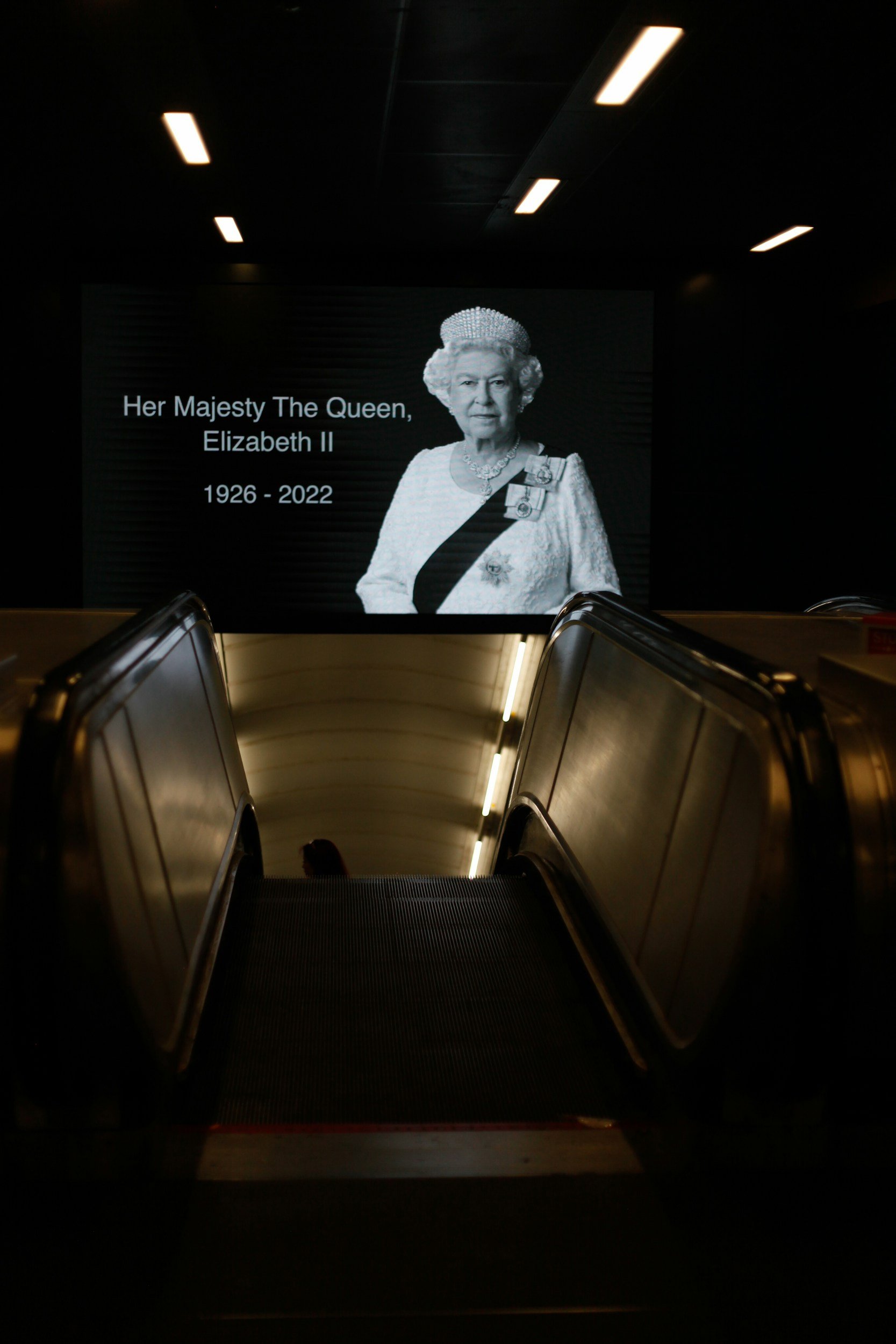
The death of a celebrity can also trigger memories of a personal loss, particularly if the circumstances are like our own experiences, for example, If the death is tied to a particular illness or trauma. It can awaken emotions we thought might have settled or bring older feelings of grief to the surface, or it may simply be that the news of a public figure’s death comes about at a time when we’re in the early stages grief and dealing with loss. I was four months into grieving my dad when it was announced that Her Majesty Queen Elizabeth II died in 2022, and I remember feeling more emotional than I expected upon hearing the news.
On a similar note, when a public figure dies, we can be reminded of our own mortality. It may be that the person has died of an illness we’re currently living with, or it could be that it simply prompts us to question where we are in our lives and what legacy we want to leave behind. For many, these reflections can be uncomfortable to sit with, however, when addressed sensitively, they can prompt open and honest conversations around death, and our end of life wishes.
Coping with grief after a celebrity dies
Whether it stirs up feelings of personal grief or you’re simply struggling to process the news of a celebrity death, support is available. Bereavement support charity Cruse offers simple self-care tips and advice, while Child Bereavement UK offers guidance for talking to children and young people when a celebrity or public figure dies.
Is there a ‘right’ way to respond to the death of a public figure?
In short, no, there isn’t. When a celebrity dies, some of us may feel heartbroken, some of us may feel a little bit sad, and some of us will feel indifferent. The key thing to remember is that all these reactions are normal. As with the death of someone close to us, or even the death of a pet, grief is deeply personal and should be treated with compassion. Underneath the surface of that celebrity grief could be memories, experiences, or simply a love of that person’s work. It doesn’t matter. As Dolly herself once said: “Everybody has their own journey; they have their own way of doing things. And who am I to judge?”
