Halloween: what it reveals about our relationship with death
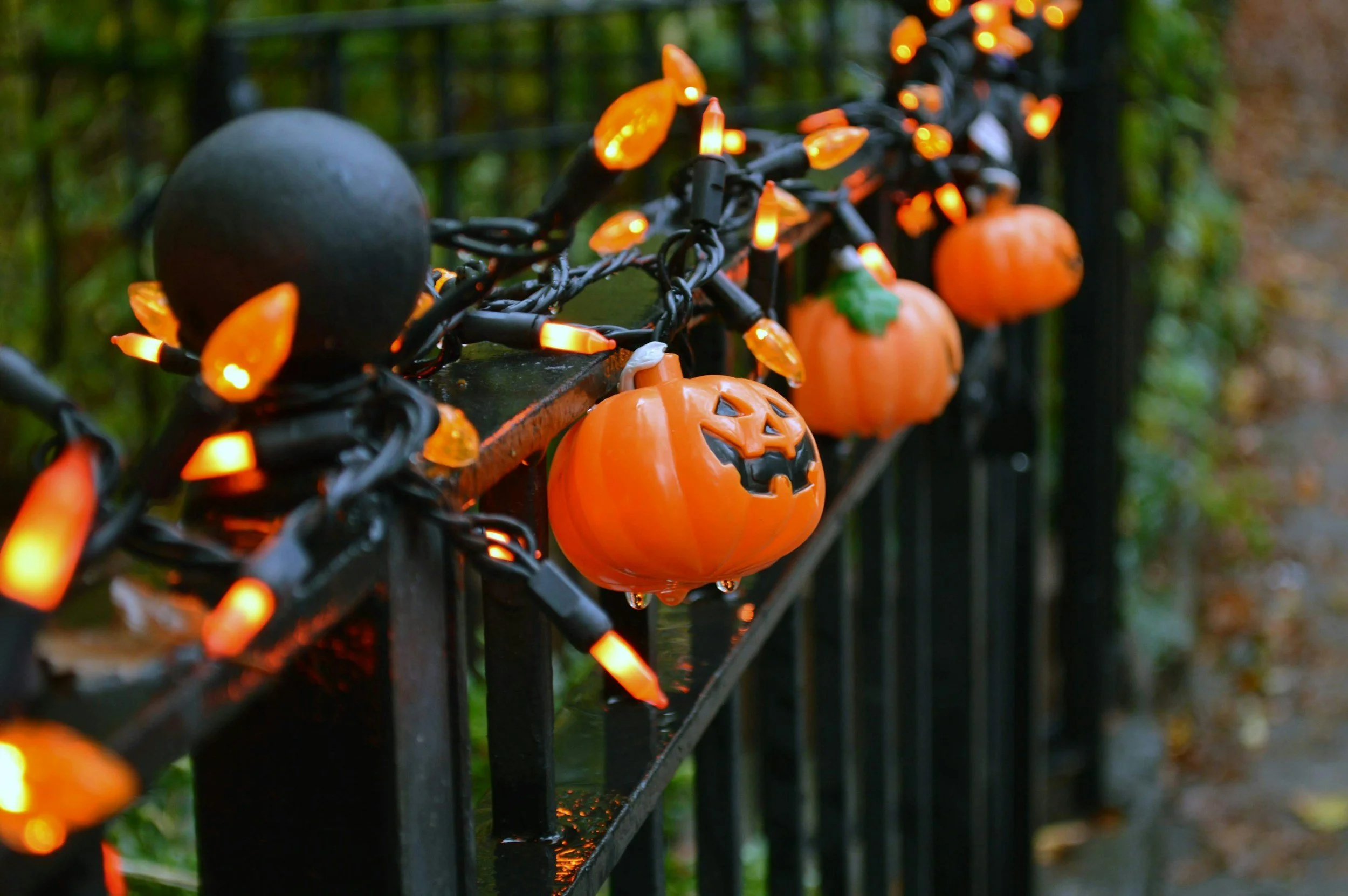
Every year on 31 October, something rather strange happens: our homes fill with skeletons, ghosts appear in shop windows, gravestones emerge on front lawns. Children dress as zombies, vampires and ghosts. For one night, death is everywhere and nobody seems particularly troubled by it.
The rest of the year tells a different story. Death can often feel like one of society's last taboos. Many of us struggle to talk openly about dying, grief or our own mortality. Conversations about death are often postponed until they become unavoidable.
So why does Halloween feel different? Why are we comfortable surrounding ourselves with such obvious reminders of mortality for one night each year?
Perhaps because Halloween wraps death in mythology and fantasy, keeping it at a safe distance; to be engaged with in a broader way, rather than personal. Perhaps dark humour allows us to laugh at something that would otherwise feel frightening. Or perhaps Halloween reveals something deeper: that human beings have always needed ways to engage with death, even when it makes us uncomfortable.
The original meaning of Halloween
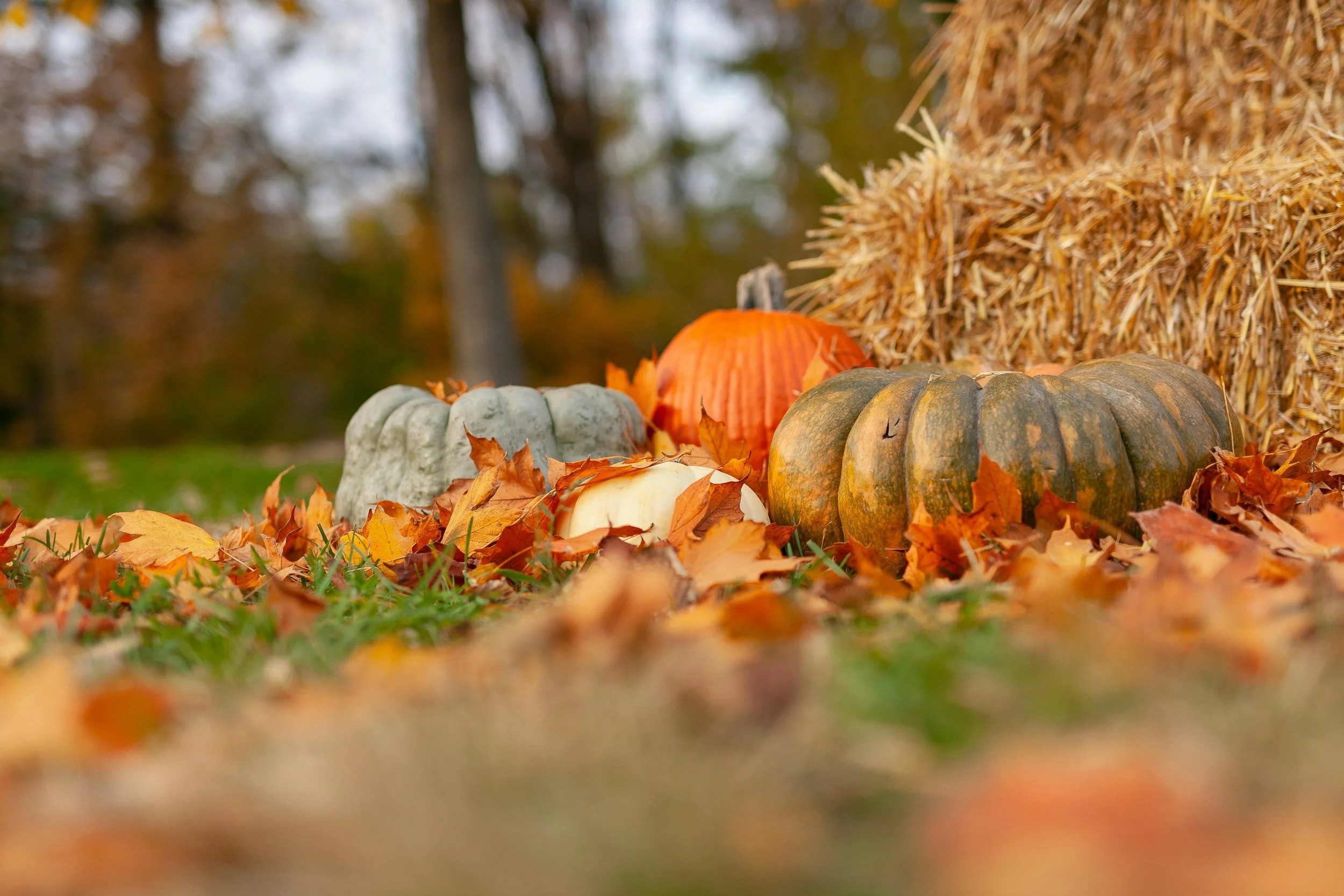
Long before Halloween became associated with trick-or-treating and carved pumpkins, it was connected to the Celtic festival of Samhain.
Held at the end of the harvest season, Samhain marked the transition from summer to winter, from light into darkness. In an age when winter brought genuine hardship and uncertainty, this annual shift would have felt far more immediate than it does today.
Food supplies were limited, temperatures dropped, and survival itself was less certain than it is in the modern world. In many ways, Samhain was a recognition of life's cycles. The abundance of summer had ended. Winter was approaching. Nature itself appeared to be dying back.
It was also believed to be a time when the boundary between the worlds of the living and the dead was at its thinnest, allowing departed spirits to return. Communities gathered, lit fires, shared stories and remembered those who had died, practicing ancestor worship [open.edu; orderofthegooddeath.com].
While many of these ancient beliefs have faded, traces remain.
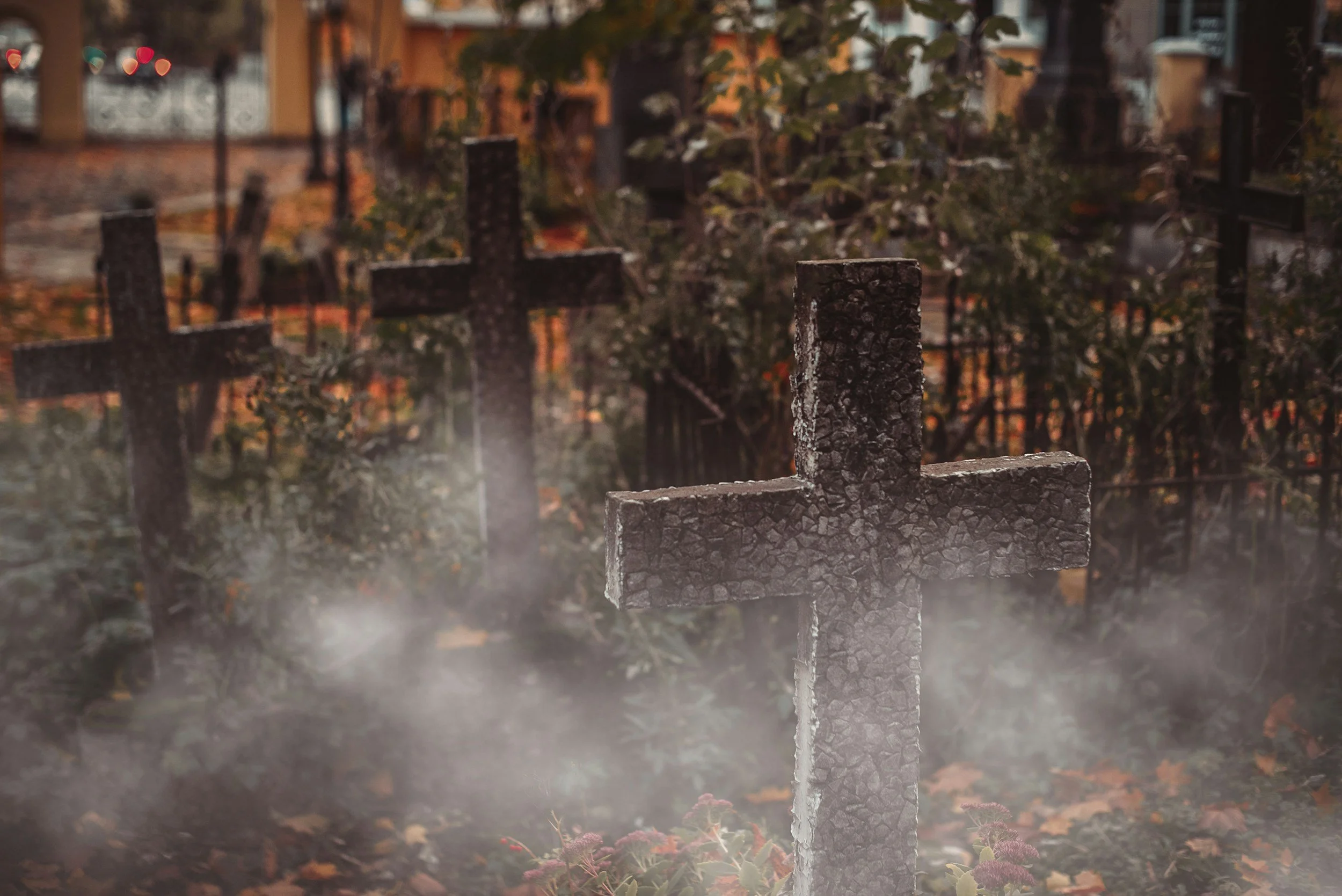
Halloween still arrives at a moment when evenings become darker and the clocks go back. The leaves fall from the trees. Summer feels definitively over. Consciously or not, we remain aware of the changing season and nature's cycle of growth, decay, death and renewal.
Perhaps modern Halloween celebrations are in part, still a response to that encroaching darkness.
Why death keeps appearing in our stories
Ghost stories continue to fascinate, as they always have, and as the nights draw in with autumnal darkness their popularity rises. Horror films attract millions of viewers. Gothic literature continues to captivate readers more than two centuries after it first emerged.
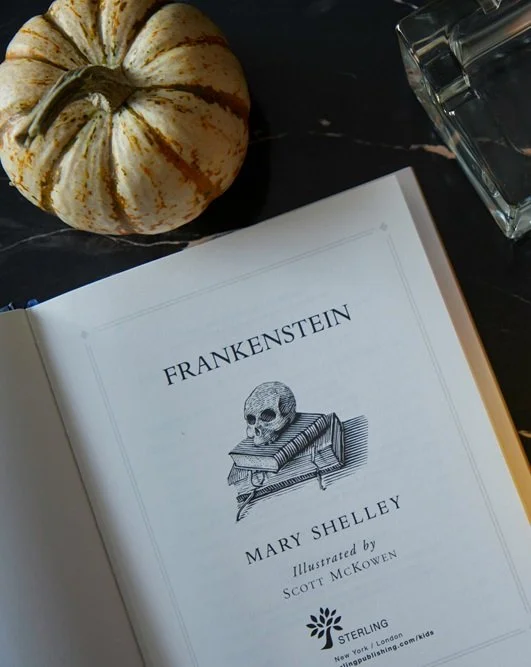
From Edgar Allan Poe and Mary Shelley to modern horror writers, these stories repeatedly explore mortality, grief, loss and what might lie beyond death. They ask questions that every generation has asked before them. Why do we die? What happens afterwards? How should we live knowing that life is finite? The enduring popularity of these stories suggests that death remains a subject we are drawn towards, even when it unsettles us. As the Open University has observed, Halloween and its stories reflect humanity's long-standing fascination with death, the afterlife and the unknown.
Perhaps stories allow us to examine mortality from a distance. We can explore our fears, curiosities and uncertainties without the discomfort of confronting them directly.
Exploring ideas of immortality
Even some of Halloween's most recognisable characters reveal our complicated relationship with death. Take Frankenstein's Creature, brought to life through an attempt to overcome death itself, with countless popular films made, each retelling the story in different forms.
Or vampires who appear forever young, seemingly escaping the limits placed upon ordinary human lives. With numerous adaptations, the earliest from 1921, Dracula continues to fascinate, spawning other popular shows and films, including Anne Rice’s Interview with the Vampire (90’s classic and more recent TV show) and teen phenomenon Twilight.
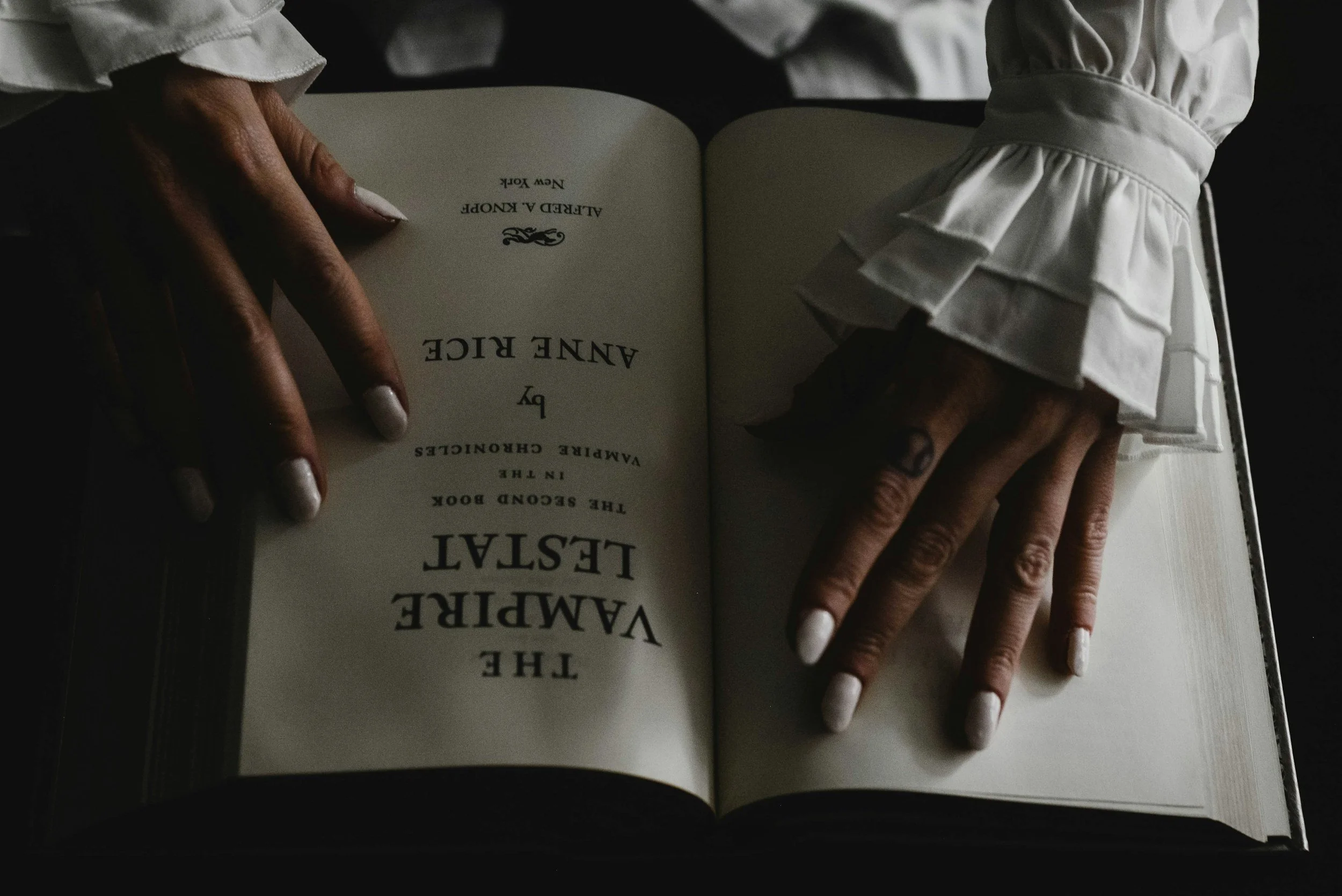
Monsters, vampires and zombies continue to reappear in books, films and Halloween costumes because they tap into something fundamentally human. If death is unavoidable, it is perhaps unsurprising that stories about overcoming it hold such appeal.
Yet these stories rarely celebrate immortality without consequences. Frankenstein warns of the dangers of trying to conquer nature. Vampires may live forever, but often at great personal cost. Rather than offering simple fantasies, such tales ask what it would really mean to escape mortality.
In doing so, they reveal an enduring tension within human experience: we fear death, yet we are fascinated by it. We may long to avoid it, but it is inevitable and must be faced.
A safe space for mortality
This may help explain why Halloween has endured. Researchers exploring death-centred traditions argue that events such as Halloween create opportunities to engage with mortality without the immediacy of personal loss. Through stories, costumes, horror films and folklore, people can explore fears about death from a place of safety.
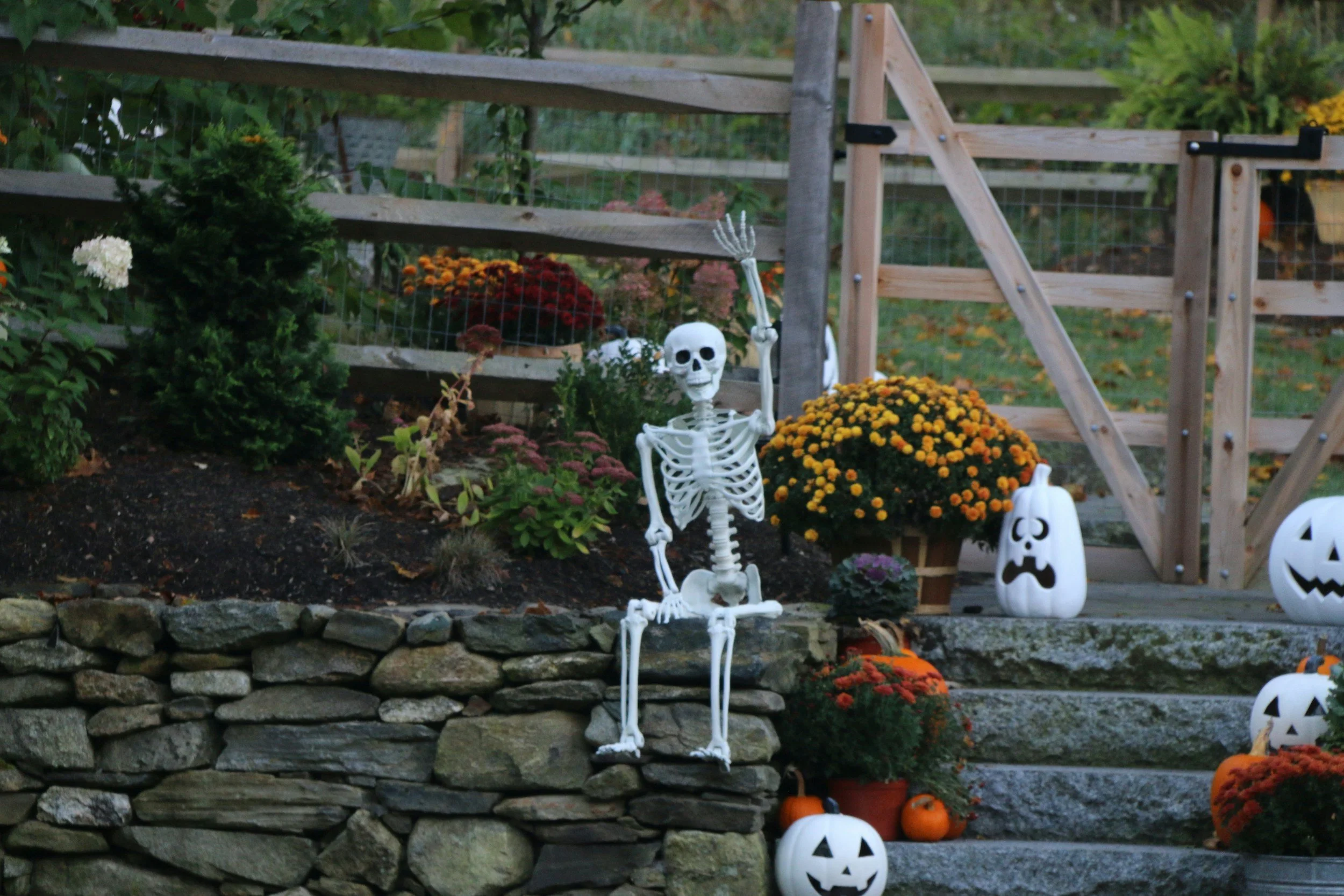
Importantly, Halloween is not the same as experiencing bereavement, grief or dying. The skeleton hanging in a shop window is not a real loss. The ghost story told around a campfire is not the same as mourning someone we love. But perhaps these traditions serve a different purpose.
They provide a space where death can be acknowledged rather than ignored. For one evening, mortality becomes visible. We can think about it, joke about it, dress up as it and tell stories about it. The subject remains at a comfortable distance, yet it is present nonetheless.
Halloween’s enduring appeal
Across centuries and cultures, people have created Halloween rituals, stories and traditions to help them make sense of mortality. Beneath the costumes and decorations sits a very human impulse: the desire to understand what it means to be mortal. Perhaps that is why Halloween continues to resonate. Not because it helps us escape thoughts of death, but because it gives us permission to approach them.
And maybe that's worth remembering for the other 364 days of the year. If we can spend an evening talking about ghosts, skeletons and mortality, perhaps we are more capable of having real conversations about death, dying and grief than we sometimes imagine.