What happens during the dying process?
Death is one of the few experiences every human being shares, yet many of us know very little about what actually happens as someone approaches the end of their life. Whether you're supporting a loved one, planning ahead, or simply seeking understanding, learning about the dying process can help make what often feels frightening a little less mysterious.
While every person dies differently, there are some common physical, emotional and psychological changes that many people experience in the final days, weeks and hours of life. Organisations such as Marie Curie, Hospice UK and the NHS provide guidance on these changes to help families better understand what to expect and feel more prepared and reassured that what they are witnessing is usually a natural part of the body's gradual shutdown.
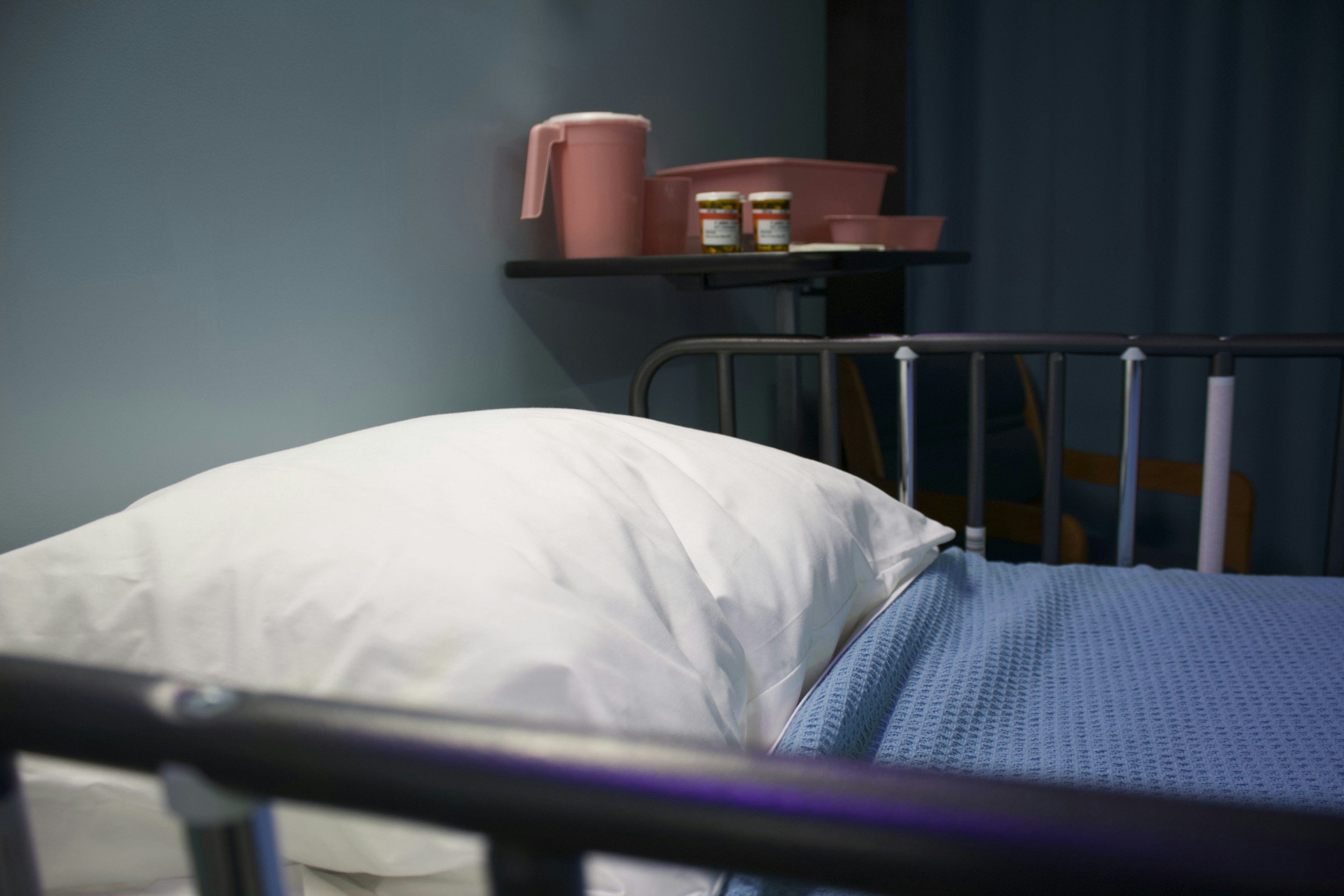
Dying is a process, not a single moment
We often think of death as a specific point in time, but in reality, dying is usually a process that unfolds over days, weeks or sometimes months.
As someone approaches the end of life, their body begins to conserve energy and focus on its most essential functions. Systems that are no longer needed for survival start to slow down. This is not usually something the person controls. It is a natural biological process that occurs as the body prepares for death.
The exact pattern will depend on the person's illness, age and overall health, but there are many changes that healthcare professionals commonly observe.
Less interest in food and drink

One of the most noticeable changes is a gradual loss of appetite. As the body needs less energy, people often eat and drink much less than they used to. Family members can find this particularly distressing because offering food is such a natural way of caring for someone.
However, forcing food or drink is rarely helpful. Loss of appetite at the end of life is usually a sign that the body is no longer able to use nutrition in the same way it once did. Eating and drinking less is a normal part of the dying process and does not necessarily mean a person is suffering. For many people, a dry mouth can be more uncomfortable than hunger or thirst, which is why providing mouth care often becomes especially important.
Increased sleeping and drowsiness
Increasing drowsiness and longer periods of sleep are common signs that someone is nearing the end of life. They may drift in and out of consciousness, become less interested in the world around them, or find conversations increasingly tiring. This can sometimes be difficult for loved ones, particularly if they feel they are losing opportunities to communicate.
Although a person may seem asleep or unresponsive, hearing is believed to be one of the last senses to diminish. Many healthcare professionals encourage families to continue talking, sharing memories, holding hands or simply sitting with their loved one, even if there is little response.
Changes in breathing
Breathing often changes during the final days and hours of life. Healthcare organisations such as Marie Curie and the NHS describe irregular breathing, pauses between breaths and rattling sounds caused by secretions as a normal part of the body's natural shutdown process.
Breathing may become slower, more irregular, or include pauses between breaths. Some people experience periods of rapid breathing followed by slower breathing. Others develop a rattling or gurgling sound caused by normal secretions collecting in the throat as they become less able to clear them.
This sound, sometimes called a "death rattle", can be upsetting for people nearby, but it is not usually believed to be uncomfortable for the dying person themselves.
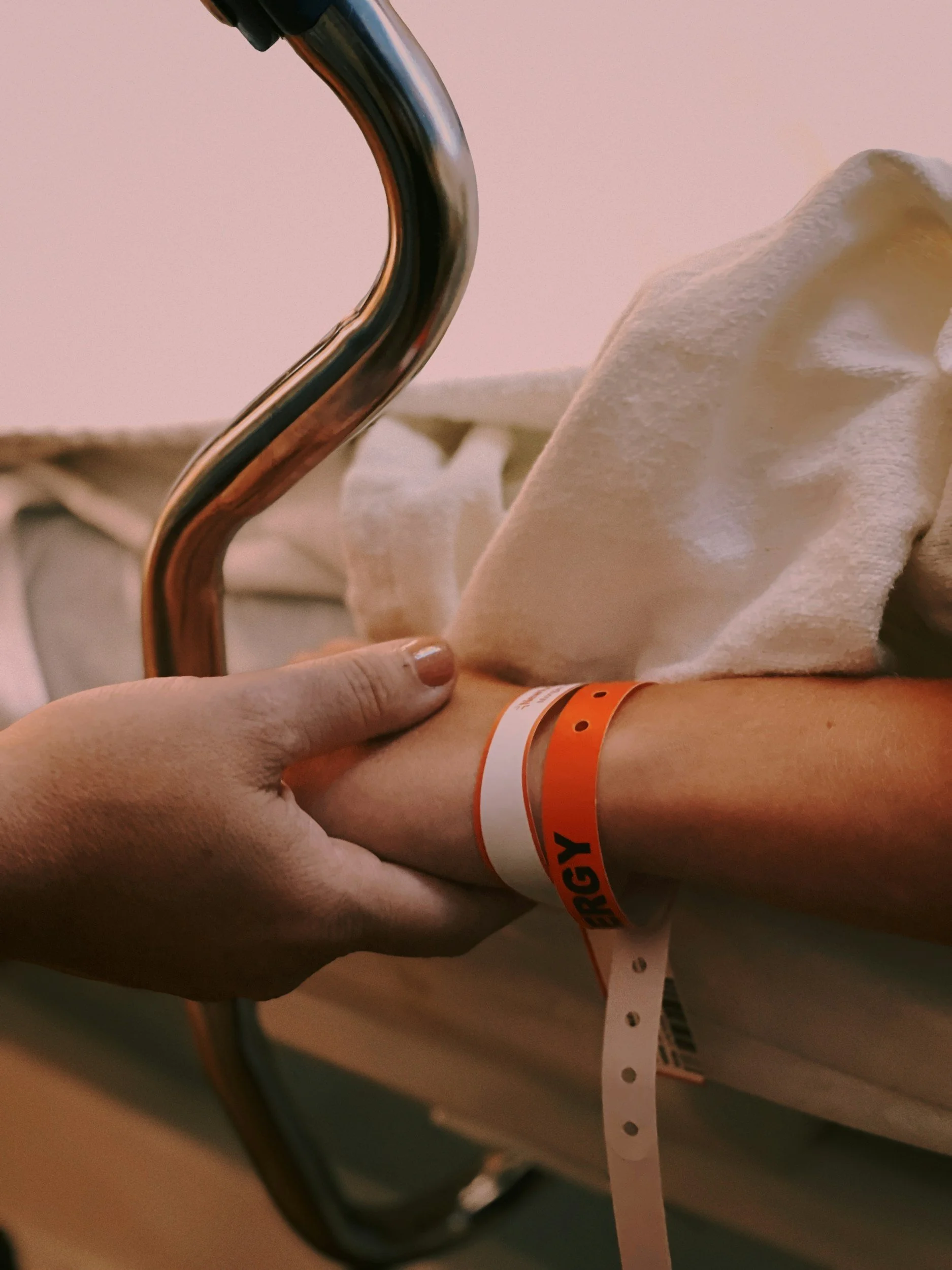
Changes in circulation
As the body's circulation slows down, hands, feet and legs may become cool to the touch. Skin can appear pale, mottled or slightly bluish, particularly on the extremities. Blood pressure often falls and the heart works less effectively. These visible changes can be difficult to witness, but they are a normal part of the body's natural shutdown process.
Withdrawal and reduced communication
Many people become quieter as death approaches. They may talk less, spend more time asleep, or withdraw from conversations and social interactions. This doesn't necessarily mean they no longer care about the people around them. Often, they simply have less energy available.
Some people also appear to focus inward, reflecting on their life, relationships, achievements or unresolved concerns. There can be an emotional and spiritual dimension to dying that is deeply personal and different for everyone.
Confusion, visions and altered awareness
Towards the end of life, some people experience confusion or changes in awareness. The NHS notes that confusion and hallucinations can occur because of medication, illness or changes in the brain's chemistry during the dying process. Some people may talk about seeing deceased relatives, childhood friends or places from their past. Others describe vivid dreams or visions.
These experiences can be unsettling for those around them, but they are relatively common. Whatever the cause, many families find comfort in knowing that this is a normal part of the dying process, responding gently and listening without judgement.
The final hours
In the last hours of life, a person is usually unconscious or only partly responsive. Breathing may become increasingly irregular, with longer pauses between breaths. Marie Curie describes these changes as natural and often not distressing for the person who is dying, although they can be worrying for those watching.
Eventually, breathing stops altogether. The heart then stops beating and death occurs. At this point, there is often a profound stillness.
For loved ones who are present, this moment can feel both deeply sad and unexpectedly peaceful. Many people describe a sense that the struggle has ended and that their loved one is finally at rest.
There is no "right" way to die

Although there are common patterns, no two deaths are exactly the same. Some people remain alert until very close to death. Others become unconscious much earlier. Some experience significant symptoms, while others die very peacefully. As Marie Curie explains, everyone's experience of dying is different and not everyone will experience the same symptoms or changes.
What matters most is remembering that dying is not something that needs to be "done correctly". It is a natural part of life's journey, and every person's experience will reflect their own body, circumstances and story.
Understanding can reduce fear
Many fears about dying come from uncertainty and the unknown. Learning about the physical and emotional changes that can happen at the end of life does not take away the sadness of losing someone we love, but it can help us feel more prepared and less frightened.