
Death Cafes explained: What to expect and why you should attend one
It’s no secret that death is a topic so many of us avoid talking about. But as we know, death is an unavoidable part of life. By having open and honest conversations about it, we can reduce fear, make our wishes known, and maybe even learn a few things. If you’re not sure where to start, a good place to begin could be your nearest death cafe.
Established in 2011 by Jon Underwood, the death cafe movement has since grown in popularity, with sessions running not just in the UK, but all over the world. To someone who is perhaps a little reluctant to face their own mortality, or who simply sees death as a scary or depressing topic, the idea of a death cafe may not seem appealing. For some, it may conjure up images of a bleak space complete with coffins and gravestones. For others, it may be images of people sitting in a circle weeping while talking about their lost loved ones. However, as someone who recently attended a death cafe, I can confirm that’s not the case – in fact, it’s actually a very uplifting experience.
What is a death cafe?
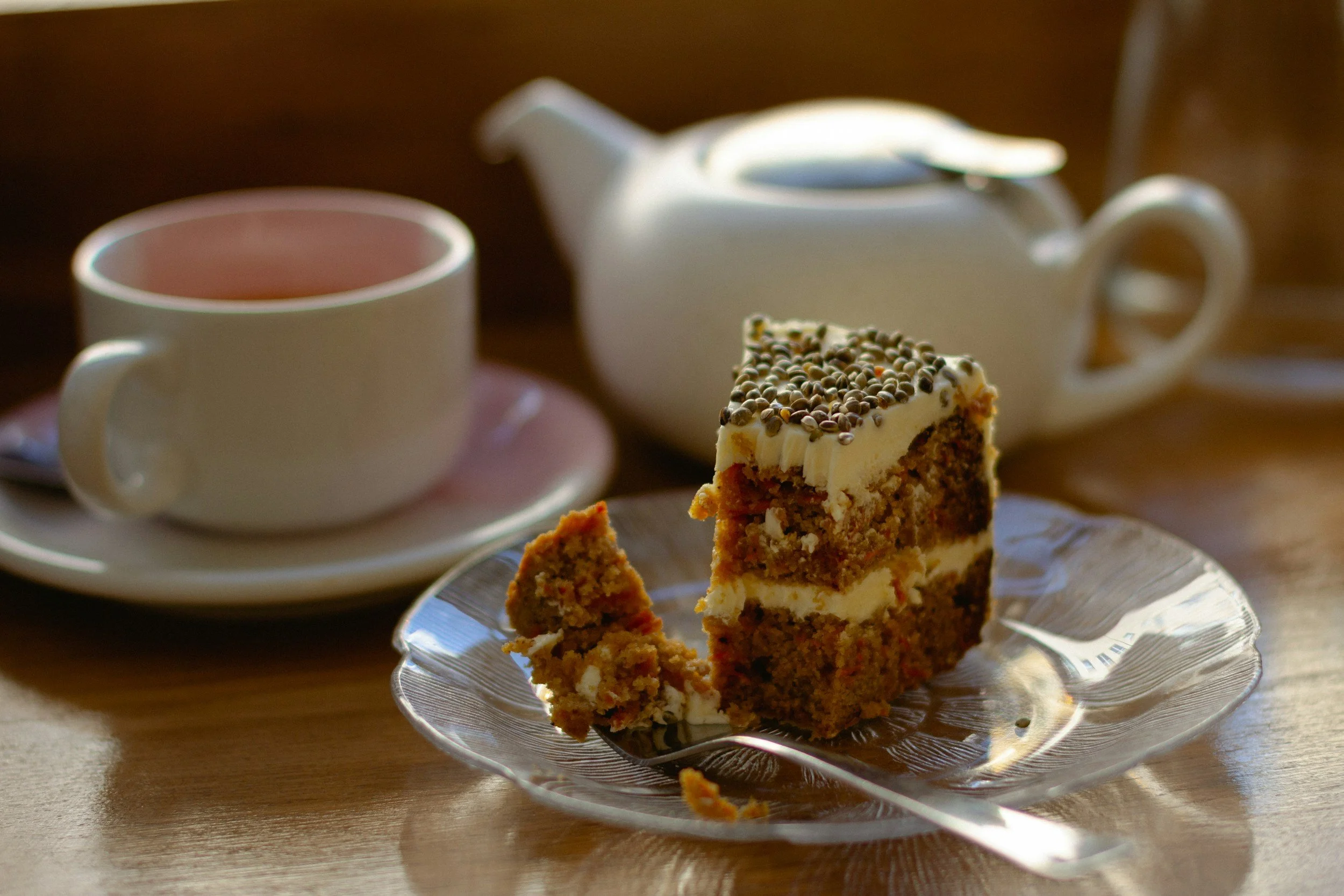
Quite simply, a death cafe is a community space where people of all walks of life come together to talk about – you guessed it – death and dying over tea, coffee and cake. They’re offered on a non-profit basis and open to anyone and everyone. Usually there’s no set agenda, and conversation is often led by those who attend rather than using specific prompts, but topics that may come up can include anything from end of life planning to one’s own experience of grief. While it’s not a counselling session or grief support group, the same rules apply around confidentiality and being respectful of others’ beliefs and opinions. One of the key features of a death cafe is that it’s not about reaching a conclusion but rather raising awareness of death in a bid to support us in making the most of our lives.
Who can attend a death cafe?

Death cafe events are known for their inclusivity – all backgrounds are welcome – and contrary to what some may believe, you don’t have to be dying or recently bereaved to attend.
People may attend for any number of reasons:
They work in bereavement, care, or end of life settings
They have previously faced their own mortality
They have experienced bereavement
They want to think about end of life planning in a less formal way
They’re curious about death and dying
At the session I attended, there was a real mix of reasons as to why people were in attendance. Some were there as professionals working in roles with people who were bereaved, while others were there as a result of their own personal experiences. Additionally, some had attended before, and others were joining for the first time. In speaking to those who had attended before, it was clear that every single session was different in terms of the conversations.
What happens at a death cafe?
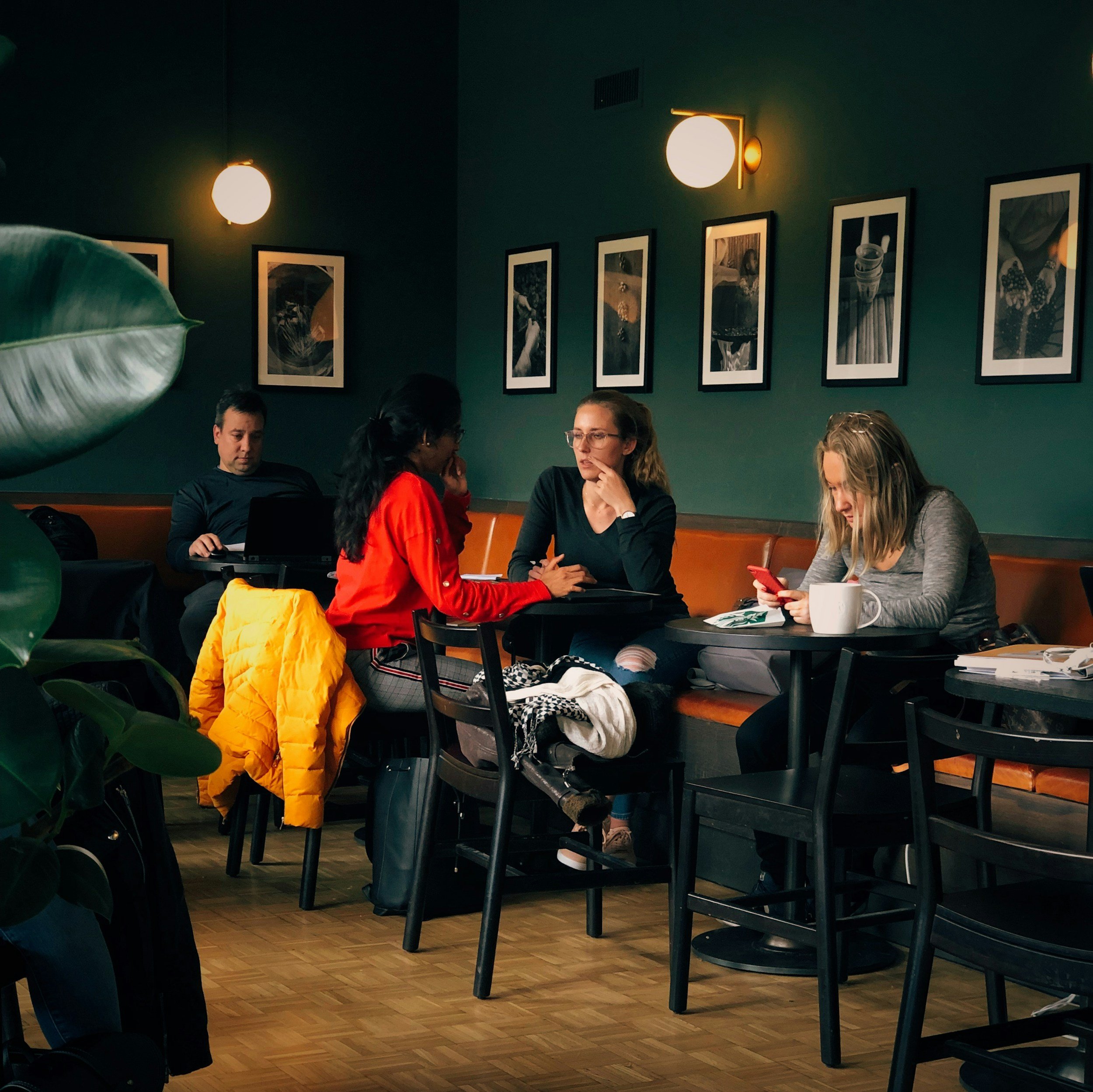
Typically, death cafes will take place in community settings. This could be a coffee shop, library, village hall, or another type of community space. There will usually be a host and a facilitator in attendance, the host being the person who organises and runs the event, and the facilitator the person who leads the discussion. In some cases, they may be facilitated by counsellors, psychologists or someone who works in a bereavement or end of life role, but what many don’t know is that anyone can host one, provided that they follow the official affiliate guide.
The overall setting is a relaxed one, and everyone can contribute as much or as little as they like. The session I attended began with an introduction to everyone in the room, which then broke off into smaller groups for discussion. There was a break mid-way through the session, followed by the second half where we were encouraged to switch up the groups. At the end, we came back together for a few minutes to talk about how we’d found the session and what we’d taken from it.
Death and dying conversations: What do people talk about?
Believe it or not, the death and dying conversations that happen at a death cafe can be hugely varied, and they’re very much led by those who attend. Some may have prompt cards on hand to help in starting conversations, as was the case in my experience, but particularly in the first half of the session, they weren’t needed. In the second half, some of us made use of the prompts, which featured questions like “what clutter (mental or physical) would you want to get rid of before you die?” and “what one thing would you want to be remembered for?” which led to some interesting discussions. Other conversations that came out of the session included:
What makes a ‘good death’ or a ‘bad death’ - discussing topics such as medical intervention at the end of life, even touching briefly on the assisted dying debate
Individual experiences of bereavement and the differences between dying in hospital, at home, or in a hospice
Facing our own mortality and what we’d personally want our own deaths to be like
How we express final wishes to our families – even down to the minor details such as what flowers we’d want at our funeral
Practical considerations for after we die such as what happens to our personal belongings and our personal “clutter” (it got me thinking I need to go through and get rid of my teenage journals!)
How funerals play an important role in helping those left behind to process their grief
What is the goal of a death cafe?
Ultimately, the goal of a death cafe is to encourage open and honest conversations about death, that help us feel less isolated, more prepared and more comfortable about the topic. In doing so, it can help to reduce the fear and stigma around death and empower us to express our wishes and what matters to us at the end of life.
How can talking about death help us live well?
It’s important to note that this may not be the case for everyone, but the one thing that surprised me the most about my death cafe experience was how easy talking about death was – especially when you consider that you’re talking to strangers. In a strange way, the anonymity was incredibly helpful! The general atmosphere of the session was a positive one, and those in attendance were incredibly open about their experiences, making it easier to get involved. Yes, there were a few differences of opinion at times, but it was clear throughout that it was a safe, non-judgemental space.
While I’m avoiding going into too much detail for confidentiality reasons, there were so many conversations to relate with, despite everyone having such different experiences. The main similarity however was the theme of control. In some way or another, we all wanted an element of control when it comes to death. Whether that came in the form of where we die, what medical intervention we want or don’t want, or even what ultimately causes our death, it all came down to control.
Of course, we know that there are elements of death that we can’t control. However, in a way, it cements the point of what the death cafe is ultimately about – having those open conversations which enable us to think about our own mortality and how we can make the most out of life. There are things we certainly can’t control when it comes to death, but we can go as far as making our wishes known – things like thinking about what we’d want our end of life care to look like, where we’d want to spend our final days, whether we want to be buried or cremated, and who gets the task of going through our belongings after we’ve gone.
The bottom line?
Death cafes demonstrate that talking about death doesn’t have to be morbid or frightening. If anything, it can be reassuring, thought-provoking, and in many cases, uplifting. We may not be able to control everything when it comes to death and dying, but by starting these conversations earlier, we’re giving ourselves and those around us the chance to understand what really matters. So, if you’re curious, unsure, or simply looking for a space to talk openly, a death cafe could be a good place to start.
