Trigger warning: This article discusses suicide and suicidal thoughts. If you are struggling or are concerned about someone else contact Samaritans free on 116 123, or email jo@samaritans.org.
Every year on 10 September, people around the world mark World Suicide Prevention Day. Led by the International Association for Suicide Prevention (IASP) and supported by organisations across the globe, the day aims to raise awareness, challenge misconceptions, reduce stigma and encourage open conversations about suicide. The current international theme, Changing the Narrative on Suicide, reminds us that the way we talk about suicide matters.
Why are there still so many suicides in the UK?

Suicide remains a significant public health issue in the UK. Recent figures show that more than 7,000 people died by suicide across the UK in 2024, with men accounting for around three-quarters of those deaths [1]. The male suicide rate is approximately three times higher than the female rate, making suicide one of the leading causes of death among men under 50. [2]
Traditionally, many men across all social classes have been found to be reluctant to talk about emotions. Men are far less positive about getting formal emotional support for their problems, compared to women. When they do, it is at the point of crisis. This is because of the way men are taught, through childhood, to be ‘manly’, which does not emphasise social and emotional skills – they learn to believe that struggling to cope constitutes a weakness. [3]
However, increases have also been observed among young adults, with rising numbers of young females under 25 linked to academic stress, self-harm, and social media. [4]
People living in the most deprived 10% of areas face significantly higher risks of suicide compared to those in wealthier regions. Financial instability, debt, and economic pressure exacerbate distress. There are also regional disparities across the UK. Rates remain notably higher in economically deprived northern industrial regions of England (such as the North East and North West) than in London and the South. [5]
“You start wondering, am I up to standard, am I good enough?’ That’s how it starts and if you say it enough times, you start to believe it.”
Phil, 32, Samaritans report, 'Men, suicide and society: Why disadvantaged men in mid-life die by suicide'
The hidden impact of suicide stigma
Despite growing awareness, stigma surrounding suicide remains widespread. Many people experiencing suicidal thoughts fear judgement, shame or being perceived as a burden. Families bereaved by suicide can also encounter misunderstanding and silence from others. This stigma can prevent people from seeking help when they need it most and can make an already devastating loss even harder to bear.
“Everything got on top of me and I tried to kill myself. I thought my kids would be better off without me. It didn’t work, and since then I’ve been to see counsellors and they’ve probably helped, just by having someone to talk to.
I think it can be harder to talk to people and especially people you know, it’s easier to talk to a stranger. I’ve got a mate that I go and have a drink with on a Saturday night, otherwise I’d have nobody.”
Brian, 50, from the West Midlands. Samaritans report, 'Men, suicide and society: Why disadvantaged men in mid-life die by suicide'
Stigma can take many forms. Sometimes it comes from society through harmful stereotypes or misconceptions. Sometimes it comes from within, when a person experiencing suicidal thoughts feels ashamed or believes they should be able to cope alone. For those who have lost someone to suicide, stigma can leave them feeling isolated at precisely the moment they most need support.
Research consistently shows that people bereaved by suicide often experience a unique form of grief. Alongside sadness, they may struggle with feelings of guilt, anger, confusion, shame or an overwhelming need to understand why their loved one died. Friends and family members may avoid discussing the death because they feel uncomfortable or do not know what to say. This silence can deepen feelings of isolation. [6]
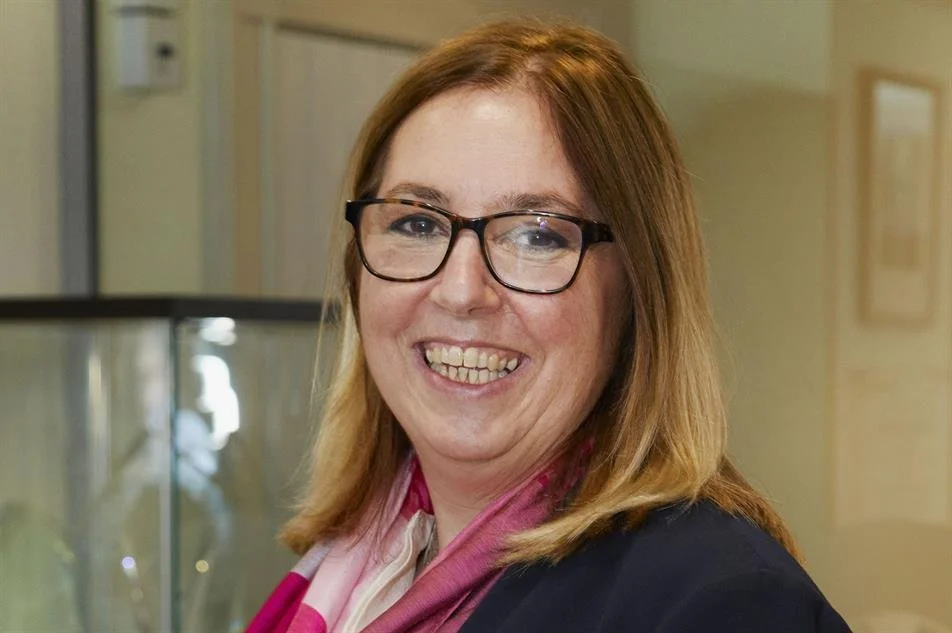
One well-known example is Ruth Sutherland, ex-CEO of Samaritans, whose father died by suicide when she was a teenager. In interviews, she has spoken about the long-lasting impact the death had on her family and the questions she carried for many years. [7]
Image www.thirdsector.co.uk
She has also described how open conversations about suicide can help families make sense of their experiences and reduce feelings of shame. Her story demonstrates how talking honestly about suicide can be an important step towards healing.
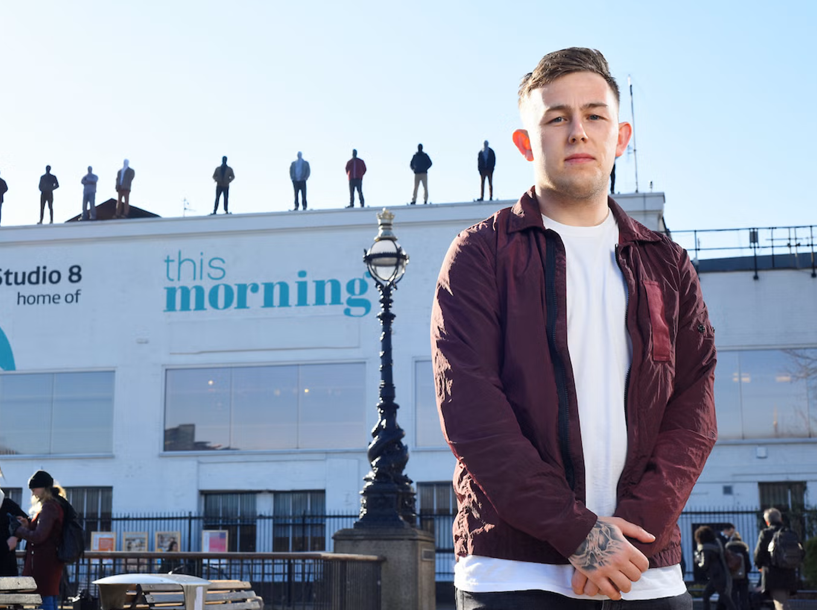
Another example comes from Matthew Smith, who has spoken publicly about losing his brother to suicide. Matthew describes feeling consumed by questions about what he might have missed or whether there were warning signs he should have recognised. Like many people bereaved by suicide, he struggled with self-blame before learning that suicide is usually the result of complex and often hidden factors rather than one single cause.
Image www.independent.co.uk
Sharing his story helped him connect with others who had experienced similar losses and reduced the sense of isolation he felt in his grief.
“Even till this day it affects our family. It affects me and my parents and some days are really difficult. I was 10 and he was 19, growing up and coming to the age that Daniel was, I found it really tough to come to terms with the fact I would outlive my older brother.” [8]
These stories are different, but they share a common thread: stigma often prevents people from speaking openly about their experiences.
Recognising risk factors and offering support
There is no single cause of suicide, and it is important not to make assumptions about someone's mental health based on appearance alone. However, there are some common warning signs and risk factors that can indicate someone may be struggling.
These can include:
Talking about feeling hopeless, trapped or like a burden to others.
Withdrawing from family, friends or activities they previously enjoyed.
Significant changes in mood, sleep or behaviour.
Increased use of alcohol or drugs.
Giving away possessions or putting affairs in order unexpectedly.
Experiencing major life stresses such as relationship breakdown, financial difficulties, bereavement or serious illness.
Not everyone who experiences these factors will become suicidal, but they can indicate that someone may need support. [9]

If you are worried about a friend or family member, one of the most helpful things you can do is start a conversation. Many people worry that asking about suicide might put the idea into someone's head, but evidence shows this is not the case. Asking directly and compassionately can help someone feel seen and understood.
Try to listen without judgement, avoid rushing to offer solutions and let them know support is available. Encouraging them to speak to a GP, mental health professional or helpline can be an important next step.
If you are experiencing suicidal thoughts, please know that you do not have to carry those feelings alone. Suicidal thoughts can feel overwhelming, but support is available even if it feels difficult to ask for help.
Consider:
Contacting Samaritans on 116 123, 24 hours a day.
Speaking to your GP.
Calling NHS 111 and selecting the mental health option where available.
Reaching out to a trusted friend, family member or colleague.
Calling 999 or going to A&E if you feel unable to keep yourself safe.
Taking that first step can be difficult, but help is available and your life matters.
“The one thing I found as part of my recovery was the more I spoke about the way I felt, the better I felt. I think we’ve got to get people talking. There is always light at the end of the tunnel. My kids have seen me crying. Its important they know everyone gets upset, but it does get better.”
Bob, 44, from the West Midlands. Samaritans report, 'Men, suicide and society: Why disadvantaged men in mid-life die by suicide'
How to combat the stigma this World Suicide Prevention Day
One of the most powerful things any of us can do this World Suicide Prevention Day is help change the way we talk about suicide. Stigma thrives in silence, but compassion grows through conversation. This World Suicide Prevention Day, let's help change the narrative. A conversation may not solve everything, but it could be the first step towards hope.