
Comedy and grief: Finding laughter in life’s darkest moments
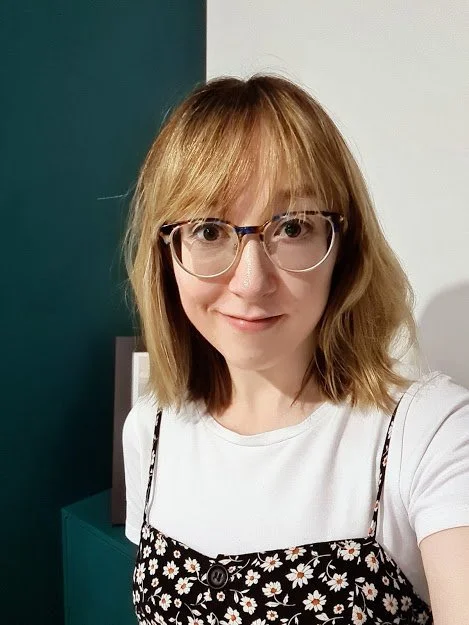
For some of us, comedy can be a lifeline through life’s darkest moments. It could be in the form of books, podcasts, films, stand-up, or a much-loved sitcom.
For guest blogger, Amy Jackson, stand-up comedy has been a love of hers since her teens, with her earliest favourites being the likes of Lee Evans and Russell Howard. In this blog, Amy explores the relationship between death and comedy, and why we use humour to cope with grief.
Over the years my husband and I have seen countless live shows, and it’s something we’ve always loved doing. For some of us, comedy is one of the small joys in life. It brightens our day and makes us laugh, whether that’s through relatability, slapstick humour, or a good old-fashioned joke. But it can also be a comfort in dark times. For me, I spent the week after my dad’s death watching The Inbetweeners, because despite having seen it thousands of times, I knew it was guaranteed to make me laugh and forget about the horrible thing that just happened. However, as time (and my grief) progressed, I found myself leaning more towards forms of comedy that steered into the pain as opposed to away from it. Comedy that fully laughs in the face of death.
Why do we use humour to cope with grief?
I’ve always had a dark sense of humour, and it just so happened that three bereavements later, it’s gotten worse. Laughing in the face of death or trauma may not be everyone’s chosen coping mechanism, but it’s certainly mine. I make jokes that people aren’t quite sure they can laugh at, and I've been known to make a complete switch into something trivial after delving into a deep or emotional story about a lost loved one.
The use of humour in coping with grief is not a topic that has been widely explored, and research that does explore the topic has often been carried out on small sample sizes. However, one study found humour to be a trigger (both a positive and negative one) for grief, but most importantly, it identified that it acts as a way for people to manage and navigate it. In addition, an article by Psychology Today argued that a sense of humour is an important strength for navigating life’s challenges. The same article also highlights that while death itself is not funny, there can be situations before and after that certainly are. Then, there’s bereavement charity, Sue Ryder, which points out that humour can also be a way of remembering loved ones we’ve lost and can also help us to feel less alone. On top of that, there’s the known physical benefits of laughter, such as helping to boost immunity and even improving cardiac health.
Working in a hospice, some may be surprised to know that humour is also a regular fixture. There’s the misconception that it’s a depressing place filled with sadness, but on the contrary, it’s a place of joy, and in many cases, laughter. I once had a conversation with someone who described hospices as “happy places where sad things happen,” which I think sums it up perfectly. Hospices focus on helping people to live well and make the most of the time we have left, so it’s no surprise that joy and laughter can be present during the darker moments.
How comedians talk about death, loss and bereavement
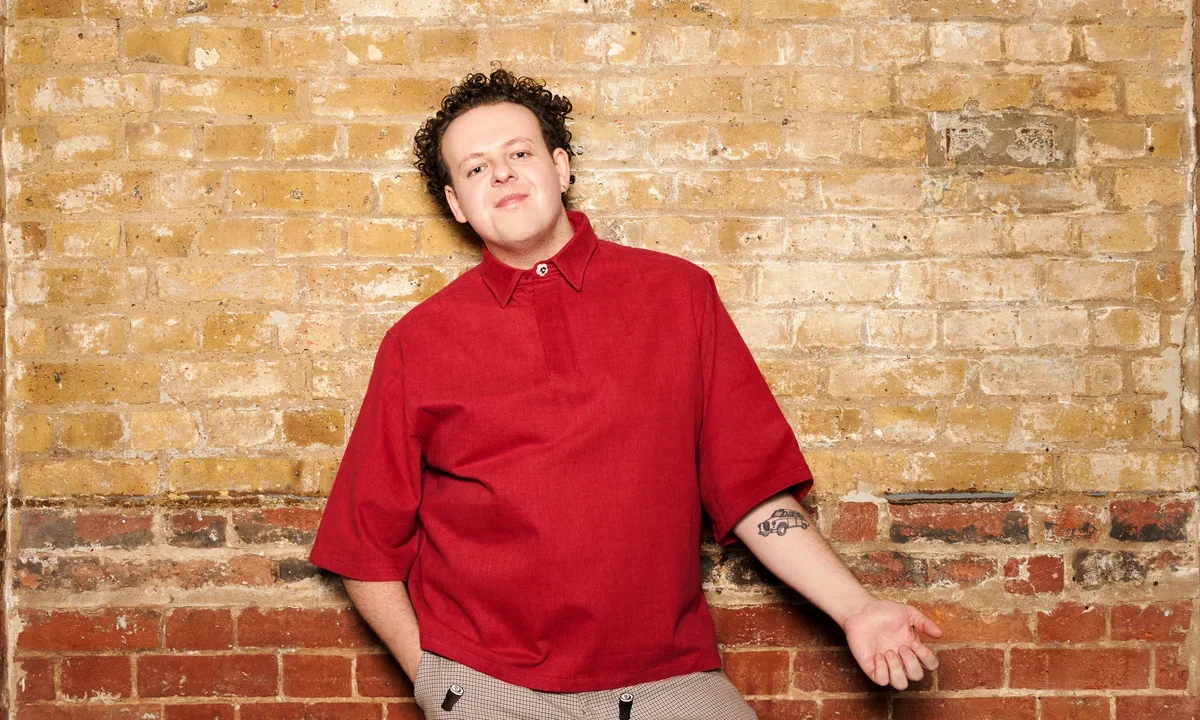
Bereavement and loss have inspired multiple works in the world of comedy, and the first person who comes to mind is comedian Jack Rooke.
Image The Guardian
The loss of his father when he was 15, followed by the death of his best friend to suicide years later, inspired him to write his debut theatre show, Good Grief, which was later followed by his mental health memoir, Cheer the F*** Up, and even later, the award-winning semi-autobiographical sitcom, Big Boys.
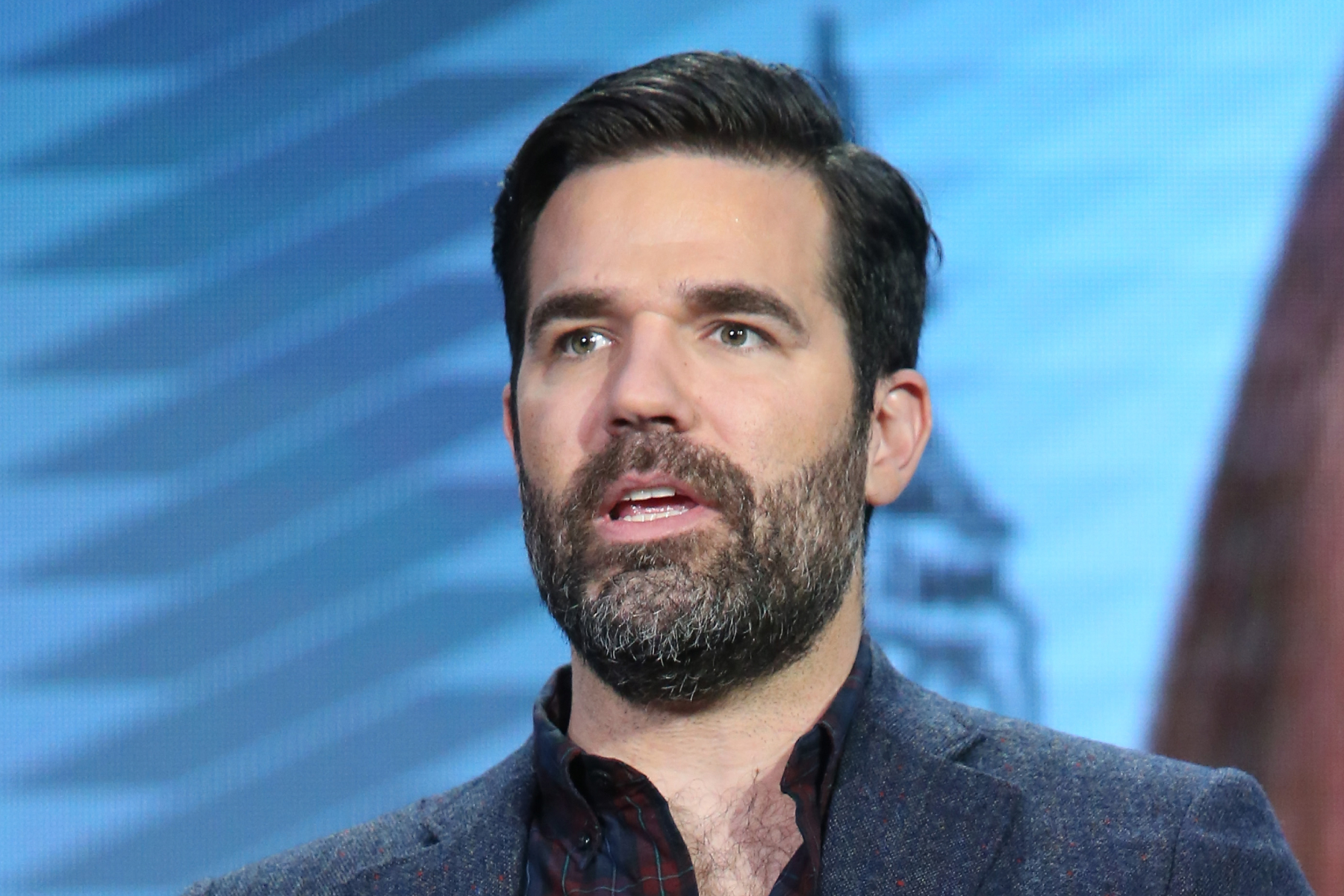
Then there’s actor and comedian Rob Delaney, who wrote his heartfelt, bestselling memoir A Heart That Works, about the loss of his son, Henry, who died at just two years old.
Image Rolling Stone
Despite both comedians going into excruciating detail of their experiences, they’re still accompanied by dark humour, with Delaney describing his intolerance for adults who celebrate their birthdays and how when his father-in-law expressed his wish to be the one who was ill instead of Henry, his first thought was “we do, too Richard.”
In addition to the dark humour however, both Rooke and Delaney’s books also provide additional words of wisdom and hope for those left behind. Rooke discusses ways in which you can spot a friend is suffering with their mental health and how you can support them, while Delaney speaks of the things that are helpful and not-so-helpful in supporting someone who is grieving or caring for a terminally ill child.
Over the years, more names within the comedy world have brought some of their most painful experiences to the stage, all in a bid to make us laugh, and possibly cry, too. In doing so, they’re sharing the message that it’s okay to use humour as a coping mechanism, and, in some cases, the darker the better.
Ed Byrne: Finding humour in sibling loss
“It is a sad story, but it’s really funny. So, if you don’t laugh at this s***, you’re the ones disrespecting the dead.”
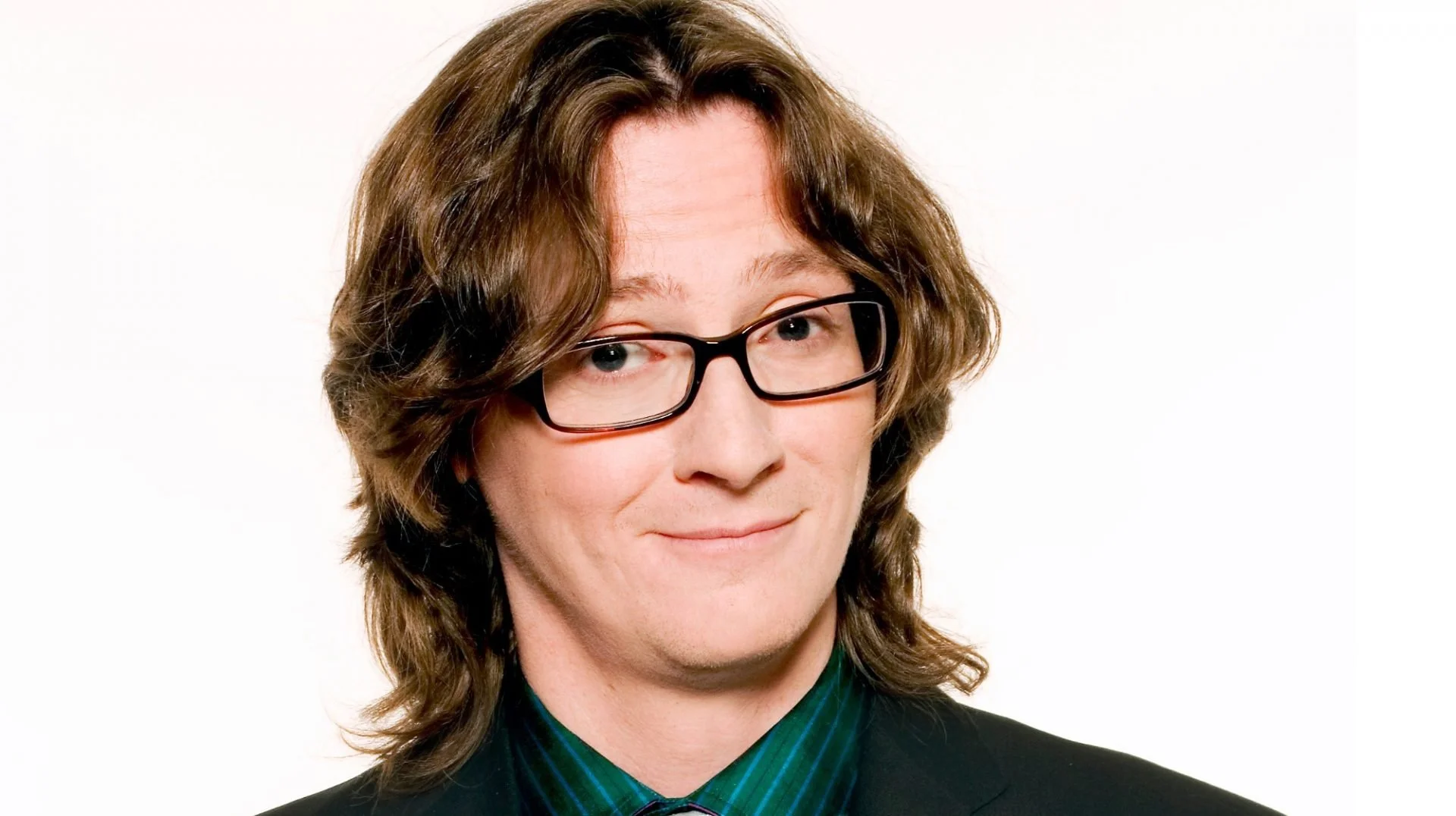
Death and grief were the inspiration behind Irish comedian Ed Byrne’s 2023-2024 stand-up show, Tragedy Plus Time.
Image Top Secret Comedy Club
Based on the quote attributed to Mark Twain that, “humour is tragedy plus time,” Ed puts that theory to the test, reflecting on the death of younger brother, comedy director Paul Byrne, who died in 2022.
Throughout the performance, Ed delves into the prickly relationship with his “pain in the arse little brother,” who was also a well-known and much-loved figure within the comedy industry. In fact, in the years since Paul’s death (and before Ed’s take on it), other comedians on the circuit paid tribute to him in their shows, including Larry Dean and Sarah Keyworth.
While combined with the usual observational comedy Ed is well known for, Tragedy Plus Time has a slightly more reflective and melancholic feel than his previous works, which he acknowledges early in the show, calling out social media critics who felt his shows were too centred around his kids and being a dad, telling them: “Be careful what you wish for,” before he builds up to “the darkest joke I’ve ever told,” and reflects on the argument that led to the pair not speaking for 12 out of the final 16 months of Paul’s life.
Despite the heavy nature of the show, there’s still plenty of laughs. Paul’s sense of humour is paid homage throughout, with Ed insisting that he would have wanted to be spoken about with not just humour, but dark humour. What follows include jokes about Paul’s diagnosis of liver failure (“there was a certain amount of user error there”) and his request that Disco Inferno (aka ‘burn, baby burn’) be played at his cremation.
At the heart of the show, Tragedy Plus Time is a hilariously dark yet poignant exploration of end of life care, grief, and family relationships with an underlying message about missed opportunities with those we love.
Greg Davies: Laughter, family, and end of life care
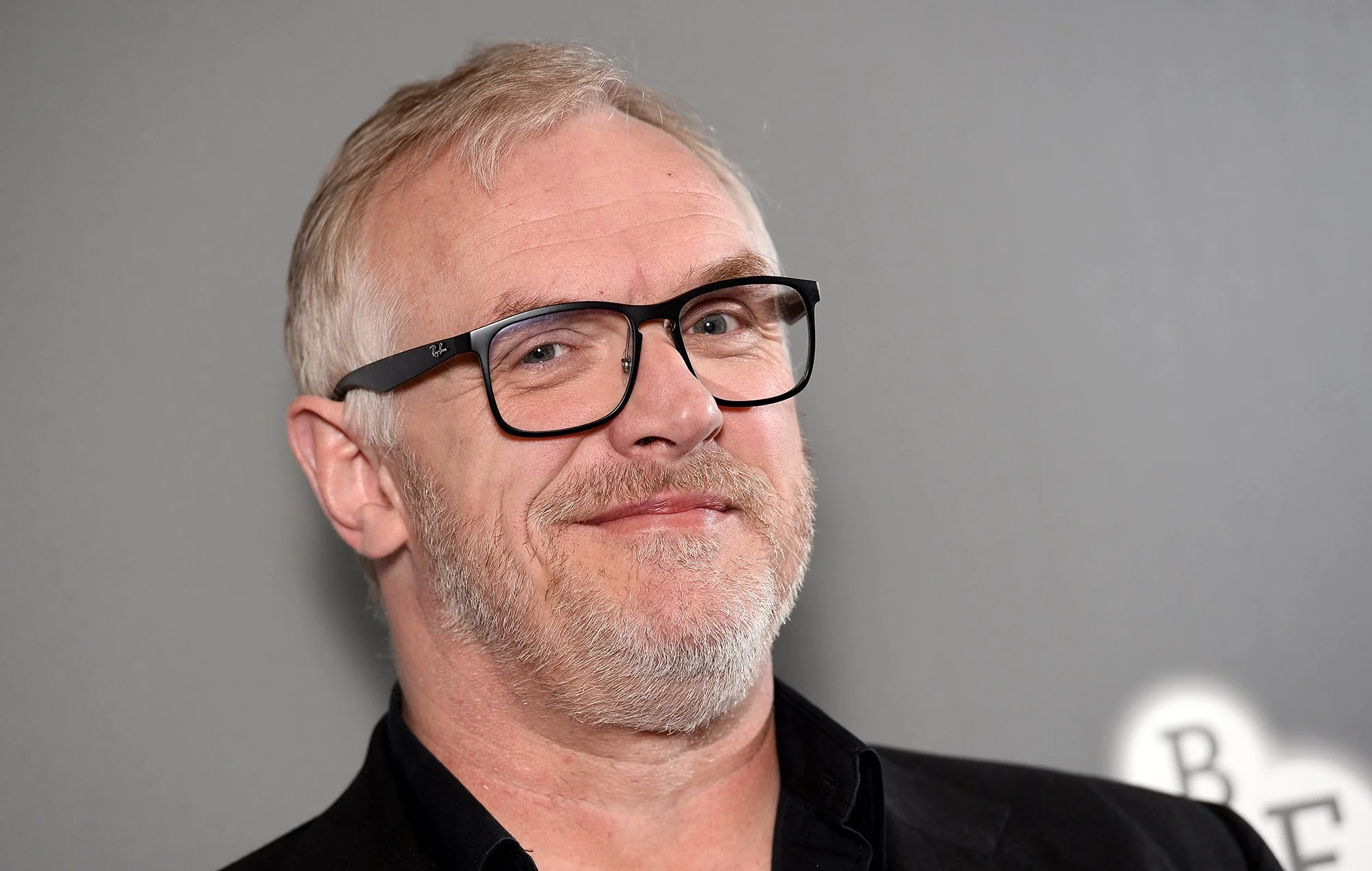
Best known for Taskmaster and his role as Mr Gilbert in The Inbetweeners, Greg Davies’ earlier comedy specials focus on the eccentricities of his family, in particular his dad, Bob.
Image NME
Greg's first two specials Firing Cheeseballs at a Dog and The Back of My Mum’s Head, explore awkward moments from his childhood, including Bob's extreme pranks and hilariously absurd behaviour.
Sadly, Bob died in 2014, the same year as the death of Rik Mayall, who played Greg’s on-screen dad in the sitcom Man Down, with the character largely inspired by Bob himself.
While not to the sole focus of the show, Greg speaks about his father’s death in his 2018 stand-up special, You Magnificent Beast, acknowledging it in the best way possible:
“I have a system for stand up. My system is, I go home to Shropshire, where I’m from, with a notepad and a pen, and I wait for my parents to say weird s**t. Then I come and tell you. That’s my system. Right? I had some problems this time. Problem number one… About three years ago, my dad, very selfishly, died. You’re p****d off! I had three shows left in him!”
Towards the end of the show, Greg speaks about something that so many of us working in the hospice sector encounter. While in Leicester for a gig, he was invited to visit a local hospice, admitting that he feared it would be a bleak and depressing place. He later discovered that it was the complete opposite, being told by one of the staff:
“That’s the prejudice we’re fighting against, cause these people are still alive. And so, we want them to have good times.”
This leads Greg to reflect on Bob's final days in hospital, and how he and his family ended up in fits of laughter at his bedside thanks to a bizarre story about an overweight teenager and his love of roast chicken, courtesy of a male nurse who had no idea how to read the room. It’s a fitting tribute to Bob’s sense of humour and an uplifting reminder that laughter can still show up in life’s darkest moments.
Rhod Gilbert: The funny side of facing mortality
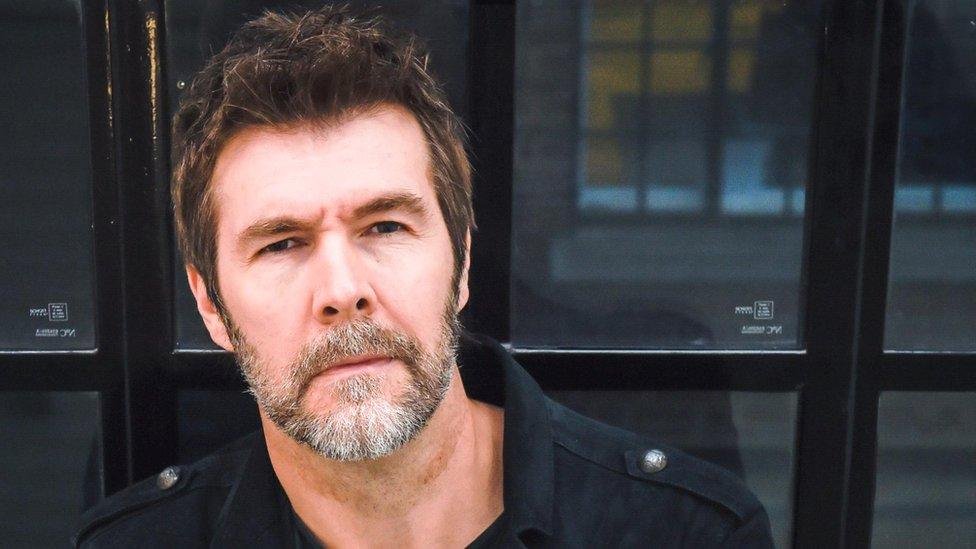
Welsh comedian Rhod Gilbert is known for his hilarious routines ranting about some of life's most trivial elements including an award-winning mince pie and an electric toothbrush he was gifted one Christmas, to name a few.
Image BBC News
The comedy circuit was shocked when in 2022, he announced that he had been diagnosed with head and neck cancer.
Following surgery, chemotherapy and radiotherapy, he was given the all-clear in 2023, and during his recovery he wrote his latest stand-up show, Rhod Gilbert and the Giant Grapefruit, which toured over 180 dates between 2024 and 2026.
The show, named in homage to the size of his tumour, is packed with dark humour and Rhod’s signature style of comedy, including an early note about how he was treated at the same hospital (the Velindre Cancer Centre in Cardiff) that he was a patron of, joking that he was expecting a red-carpet rollout with “Waitrose-level chemotherapy." He addresses the different elements of his treatment, including unfortunate side effects, not-quite daily radiotherapy - “because apparently, cancer takes weekends off” - and a Google search that gave him six months to live, to which his driver, John, replied “when did you Google it?”
What makes the show unique is Rhod’s approach to mortality, addressing the ‘admin’ side that many of us don’t think of until faced with a similar situation, such as will his wife know what to do with the recycling, and most importantly, should he cancel the John Lewis sofa he’s ordered? I was lucky enough to be in the audience when he brought the show to Bath, and it was one of the funniest shows I’ve seen to date. Despite that, it still left the half the audience (myself included) in tears where, in an emotional but uplifting ending, he shows a film of him being given the news that he has the all-clear.
Daniel Sloss: Using dark humour to talk about childhood bereavement
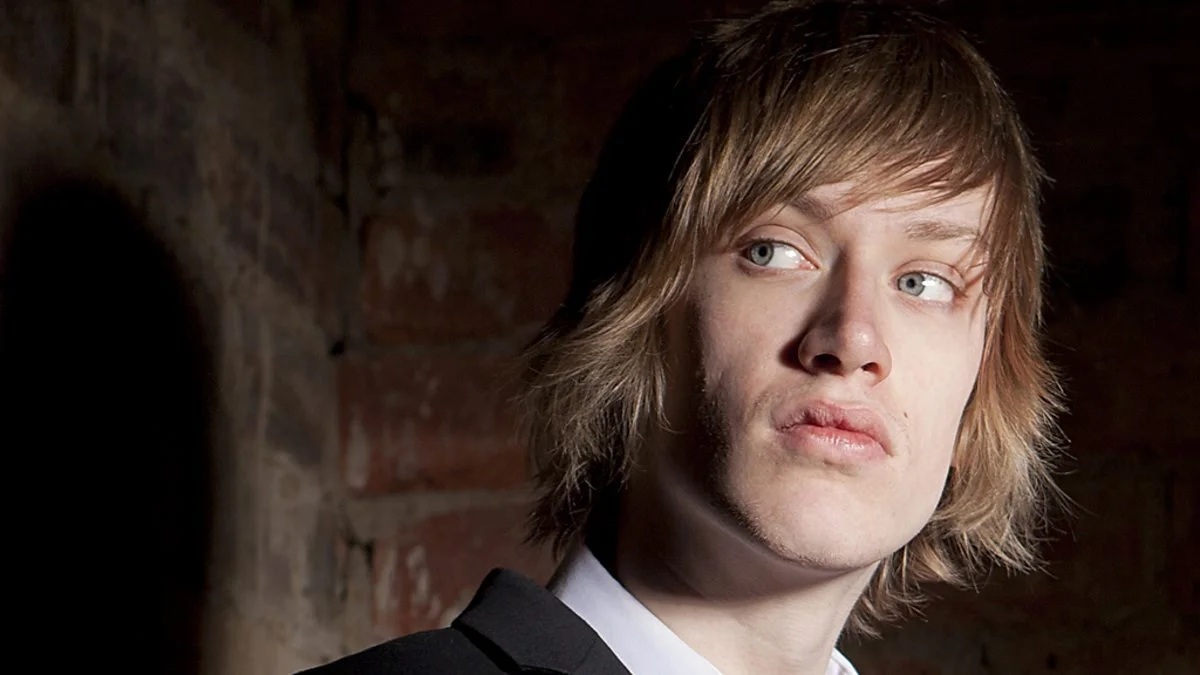
Daniel Sloss is known for his dark humour in his stand-up shows, but it’s his 2018 Netflix special, aptly named, Dark, that sets him out among some of the best. He sets the tone of the show at the start, arguing that nothing should be off limits – religion, cancer, politics, you name it - when it comes to comedy, provided the intent is right.
Image BBC Three
A large portion of the show talks about his younger sister, Josie, who died when he was a child. Josie had cerebral palsy, which Daniel openly admits adds a darker level to the humour in the show, acknowledging the audience’s reluctance to laugh. The ‘punchline’ of grief comes not from a sombre tribute to Josie, but in a surreal anecdote about a family car accident which Josie – who loved rollercoasters – found hilarious. In sharing such a morbid tale, Daniel argues that such humour is not about being mean-spirited, it’s used as a tool to help us get through life’s most unbearable experiences, and that treating grieving families with pity is a way of making them feel more isolated. He then illustrates the point further by talking about how he supported a close friend through the loss of her dad by unconventionally acknowledging the elephant in the room and laughing at the purely coincidental label on the drink that arrived with their pizza delivery - “Share a Coke with...” you guessed it.
By bringing such a taboo topic into the spotlight, he breaks one of the main misconceptions around grief – laughter doesn’t diminish someone’s memory, it’s a way of remembering the joy they brought to your life.
“Laughter is not the opposite of sadness. Happiness is the opposite of sadness. Laughter is a reaction. It’s free to exist in both. If your way of dealing with sadness is to grieve and to cry and do whatnot, congratulations. I’m glad that works for you. Doesn’t work for me. When I cry when I’m sad, I just feel s***, makes me spiral, I don’t feel any better. Laughter is what brings me happy. It makes me much, much happier.”
Jimmy Carr: Grief, friendship and joking about difficult topics
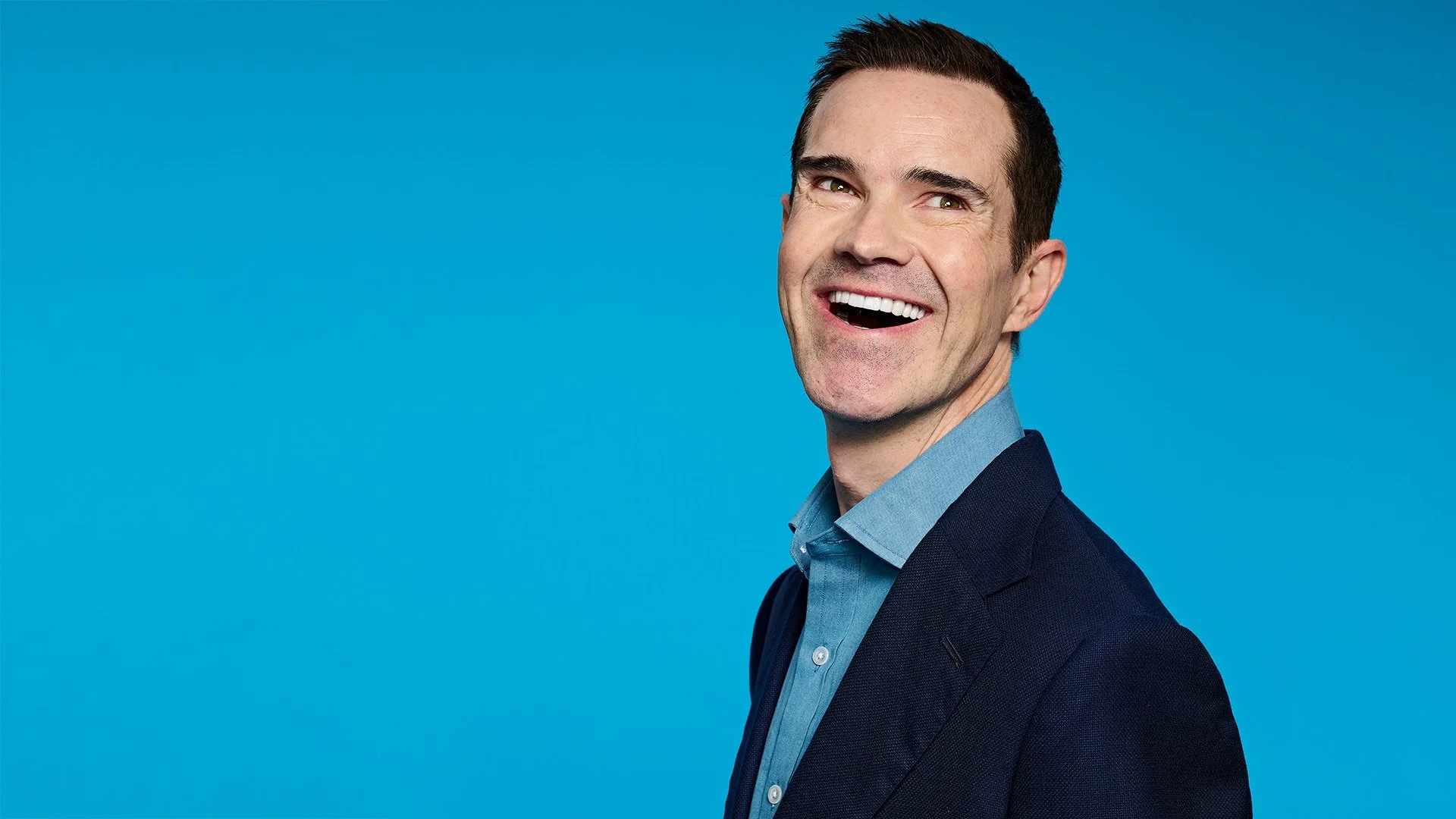
Known for years for his sharp one-liners and no topic that’s off-limits, including a range of self-described “career enders,” and brutal heckler takedowns, Jimmy Carr sits among a similar philosophy to Daniel Sloss, arguing that “the joke is not the thing itself,” and how laughing at something doesn’t mean you endorse it.
Image Channel 4
While it’s a controversial opinion that in early years gave him a reputation of being cold and mean-spirited, in recent years, he’s been shown to be an advocate for grief and loss support. His mother, Nora Carr, died when he was in his twenties. In his part-memoir, part-self-help book, Before & Laughter, he reflects on the death of his mother, describing the intimacy of being there with someone at the end of their life:
“If you can be with a loved one when they die, you should. Her hands getting cold as the circulation shuts down, her breathing getting heavy, the death rattle. Bearing witness to a death is an incredibly intimate thing. You should be there, not because it’s easy – it isn’t – but because one day you’ll want someone to hold your hand.”
Most recently, Jimmy spoke on Steven Bartlett’s Diary of CEO podcast about his grief following the death of his close friend, fellow comedian, Sean Lock. In one of the most talked-about episodes of the podcast, he talks about the dissonance he felt, crying and simultaneously laughing at clips of him on social media, as well as how he threw himself into work as a way of coping.
One of the standout moments was a video that went viral earlier this year, when he paused one of his shows to chat to and comfort an audience member who was on his first night out since his wife died, and who should have been at the show with him. The moment Jimmy leaves the stage to speak to him is met with huge applause, even more so when Jimmy asks him one of the simplest, yet powerful questions we can ask someone grieving: “what was your wife’s name?”
Cariad Lloyd: Making conversations about grief feel less lonely
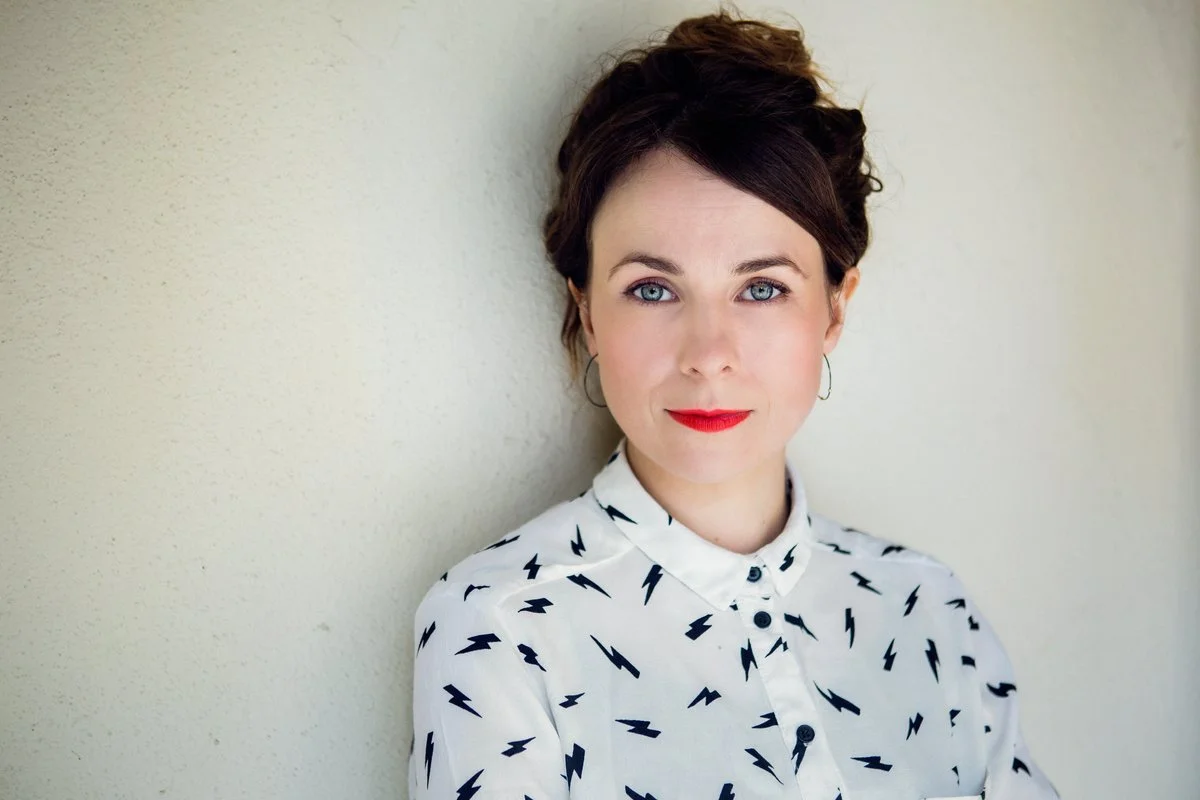
If you've experienced grief and loss yourself, it’s highly likely that you’ll be familiar with Cariad Lloyd, or more specifically, her award-winning podcast, Griefcast.
Image The Badger
Drawing on her own experience of losing her father to pancreatic cancer when she was 15, she started the podcast as a way of creating a safe space to talk about the human experience of grief, but as she puts it, “with comedians, so it’s cheerier than it sounds.”
The podcast has hosted some of the biggest names in comedy, including Jimmy Carr and Ed Byrne, as well as Romesh Ranganathan, Tom Allen, Jayde Adams, Aisling Bea and Suzi Ruffell. Each guest reflects on their own experience of loss, from the circumstances of that person’s death to how they navigated their grief. It covers a broad spectrum of sub-topics too, from complicated relationships to traumatic experiences, and addresses forms of grief that are less frequently explored, such as the loss of a pet, the loss of a child, and death by suicide. While each guest’s experience is unique and deeply personal, listeners have praised the podcast for its relatability in navigating grief – from the big emotions to the mundane – and the addition of comedy in helping reduce the stigma around the topic of death.
In addition to comedians, the podcast has played host to many other well-known media figures, including popular names within the industry of palliative care and bereavement, including writer and palliative care expert, Dr Kathryn Mannix, and psychotherapist and writer Julia Samuels.
Comedy about death: A powerful tool?
Some may argue that the jokes made by some of these comedians are inappropriate and distasteful, however, it’s important to note that many of the comedians who discuss death and grief in their material will have already processed their grief, and in sharing their experience could help others to feel less alone. By laughing at it themselves, they’re giving us permission to laugh with them.
Ultimately, comedy about death and dying doesn’t make grief any less painful, but it’s an effective way to start conversations about it and potentially help those of us grieving feel a little less lonely. It's also important to remember that laughter doesn’t lessen the love we hold for people we’ve lost. In some cases, it’s a fitting tribute to them. My dad loved a joke, so it was fitting that my brothers and my step-mum ended up spending the two hours after he died sitting by his bedside having a good laugh. Despite the horrendous circumstances, it brought a little bit of much-needed joy, and we like to think he would have approved.
There’s no denying that there's something about laughing in the face of death which makes it feel like less of a taboo. Dealing with grief using humour will not feel right for everyone, but for those of us who reach for a joke in the darkest moments, it can be a powerful reminder that sadness and laughter are both a part of life.
