
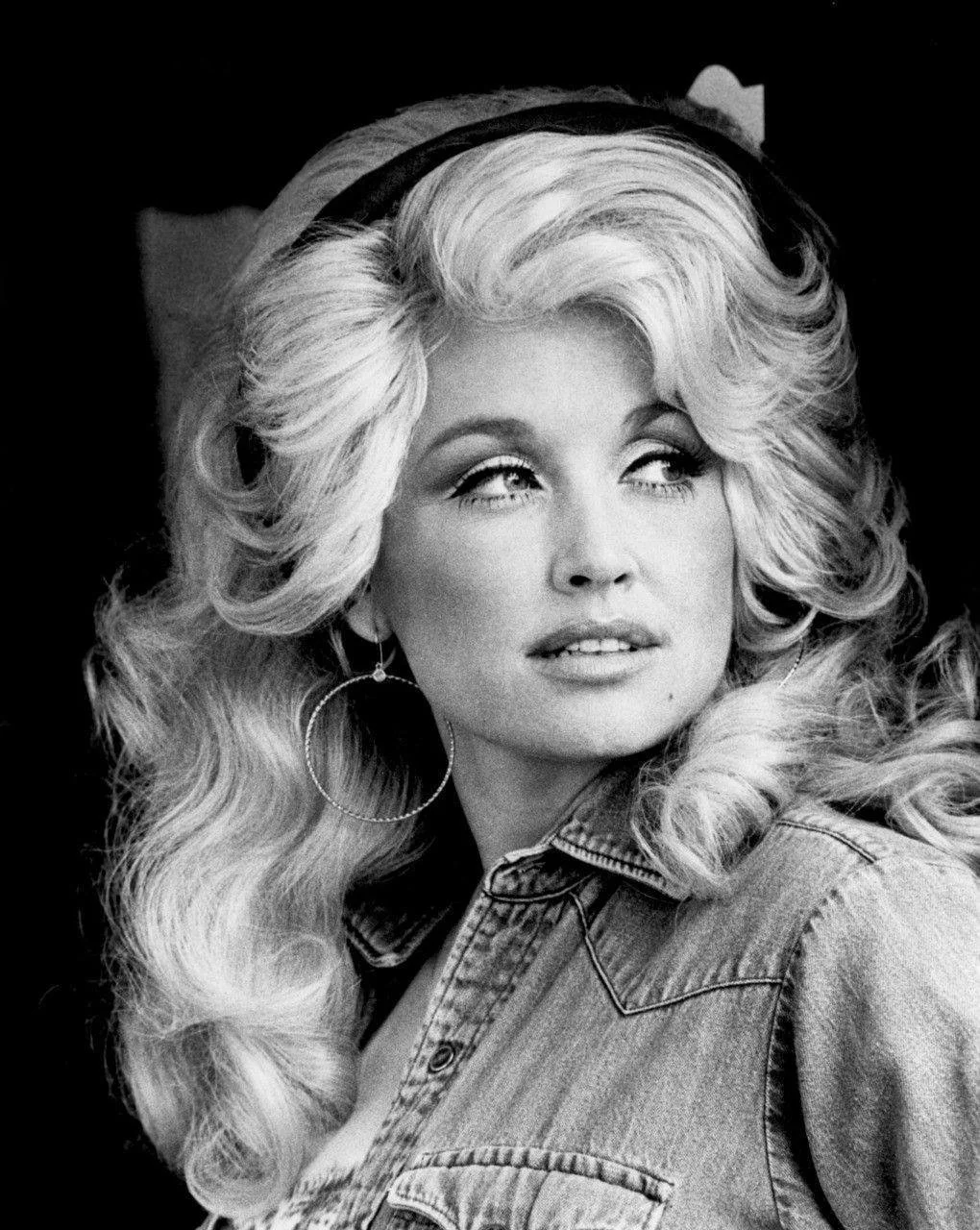
Grieving someone you’ve never met: Why celebrity deaths can feel so personal
With the deaths of Dolly Parton and Jim Curry dominating social media platforms, Amy Jackson reflects on why celebrity deaths can feel so personal and why grieving for someone you have never met may not be so weird.
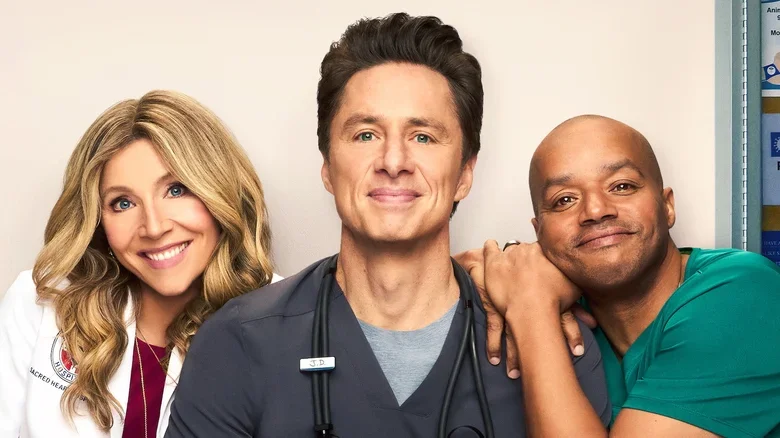
How Scrubs handles death and grief
One of the most talked about TV shows this spring is the return of the hit medical comedy, Scrubs, after being off our screens for the last 16 years. While billed as a comedy, Scrubs has never shied away from difficult topics, especially when it comes to death and dying. Throughout nine seasons, there are a handful of episodes that truly stand out when it comes to themes of death and grief. Discover our favourites.
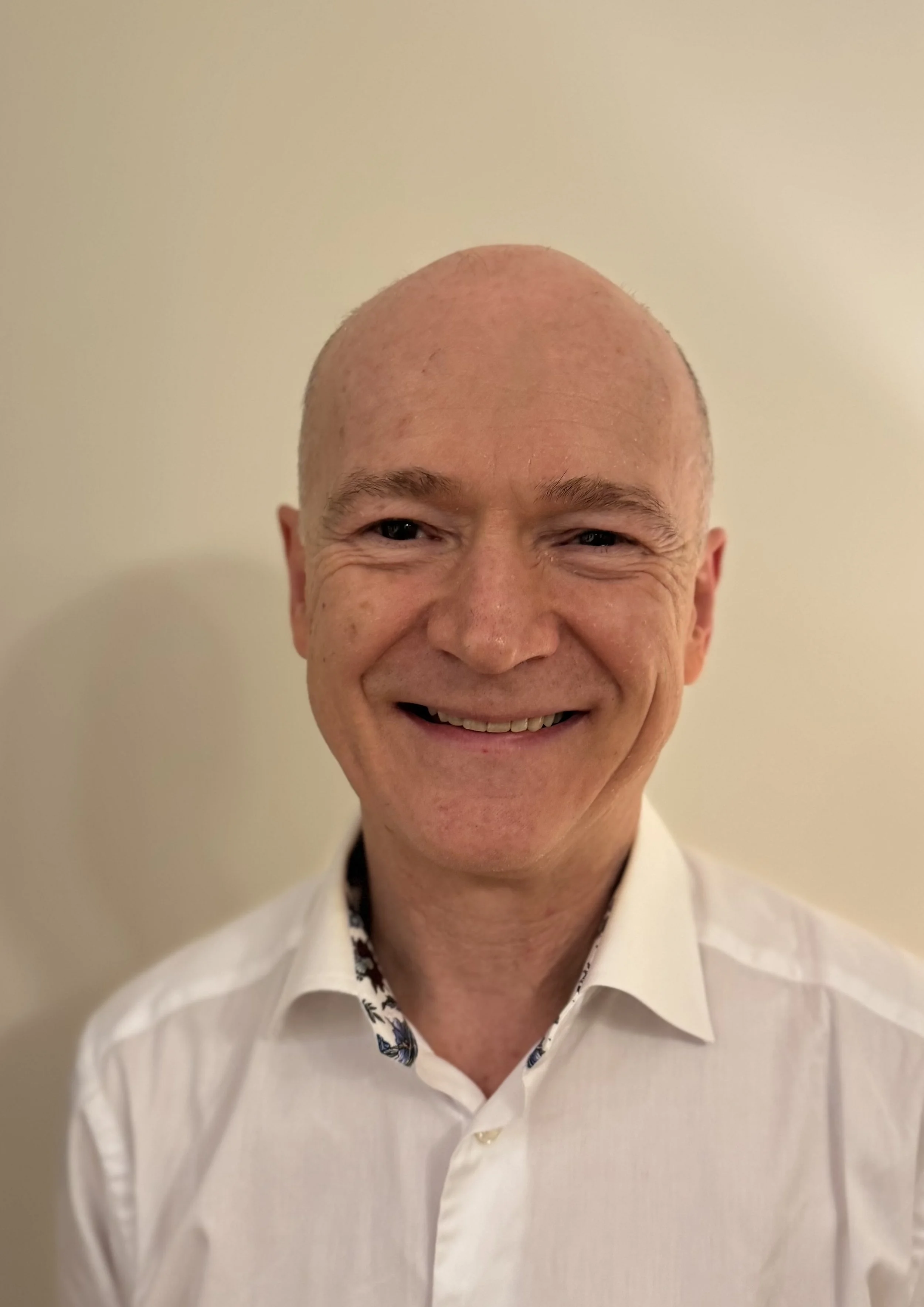
Interview with a pathologist: what happens during a post-mortem examination
We were delighted to have the opportunity to speak to Chris Meehan, Consultant Histopathologist at the Royal United Hospital in Bath about his work on post-mortems. For some, the topic of autopsies is taboo; a subject too uncomfortable to approach. For others, it’s a fascinating, though slightly squeamish reality. So what are Chris’s thoughts on post-mortem and public perception?

Valentine’s Day: Sex, intimacy and relationships at the end of life
When someone is living with a terminal illness, nearly every part of life can shift, including how they feel about their body, their sexuality, and their relationships. Studies have shown that many patients nearing the end of their lives have expressed that sex and intimacy are essential to them; however, it is often overlooked by healthcare professionals and not commonly discussed.

Dying for Sex TV Review
Many end of life patients have expressed that sex and intimacy are essential to them; however, it is often overlooked by healthcare professionals and often taboo. Dying for Sex steers directly into that very topic, but at the same time, explores themes of empowerment and healing from trauma, as well as what it means to face mortality. Read our review.
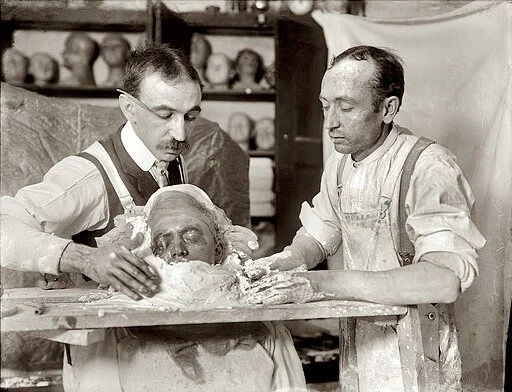
The history of death masks: faces of the departed
Throughout history, humans have longed to remember the dead—not just in spirit, but in form. Among the most haunting and intimate expressions of this desire is the death mask: a cast taken from a person’s face shortly after death. From Tutankhamun to Lenin, let’s take a look at death masks through history.

A Halloween Ode to Brompton Cemetery
Inspired by a Halloween stroll around Brompton Cemetery, London, Part of Life penned a poem to shine a light on the beauty to be found behind cemetery walls.
Demystifying body donation
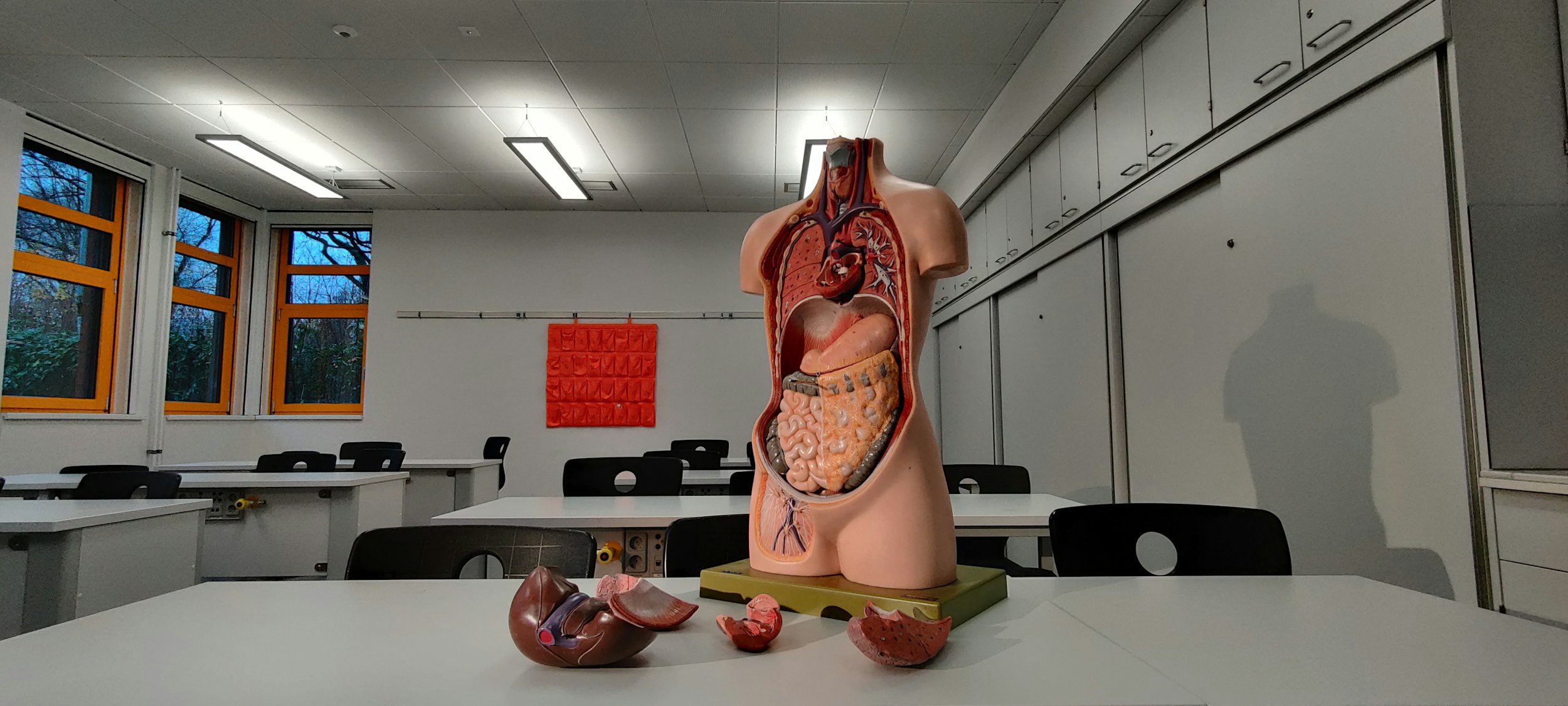
Body donation is the act of giving your whole body after death to a medical school or research institution for use in education, research or training. So why do people choose to donate their bodies and how can you do it?
Doctors and death: A Dose of Grief
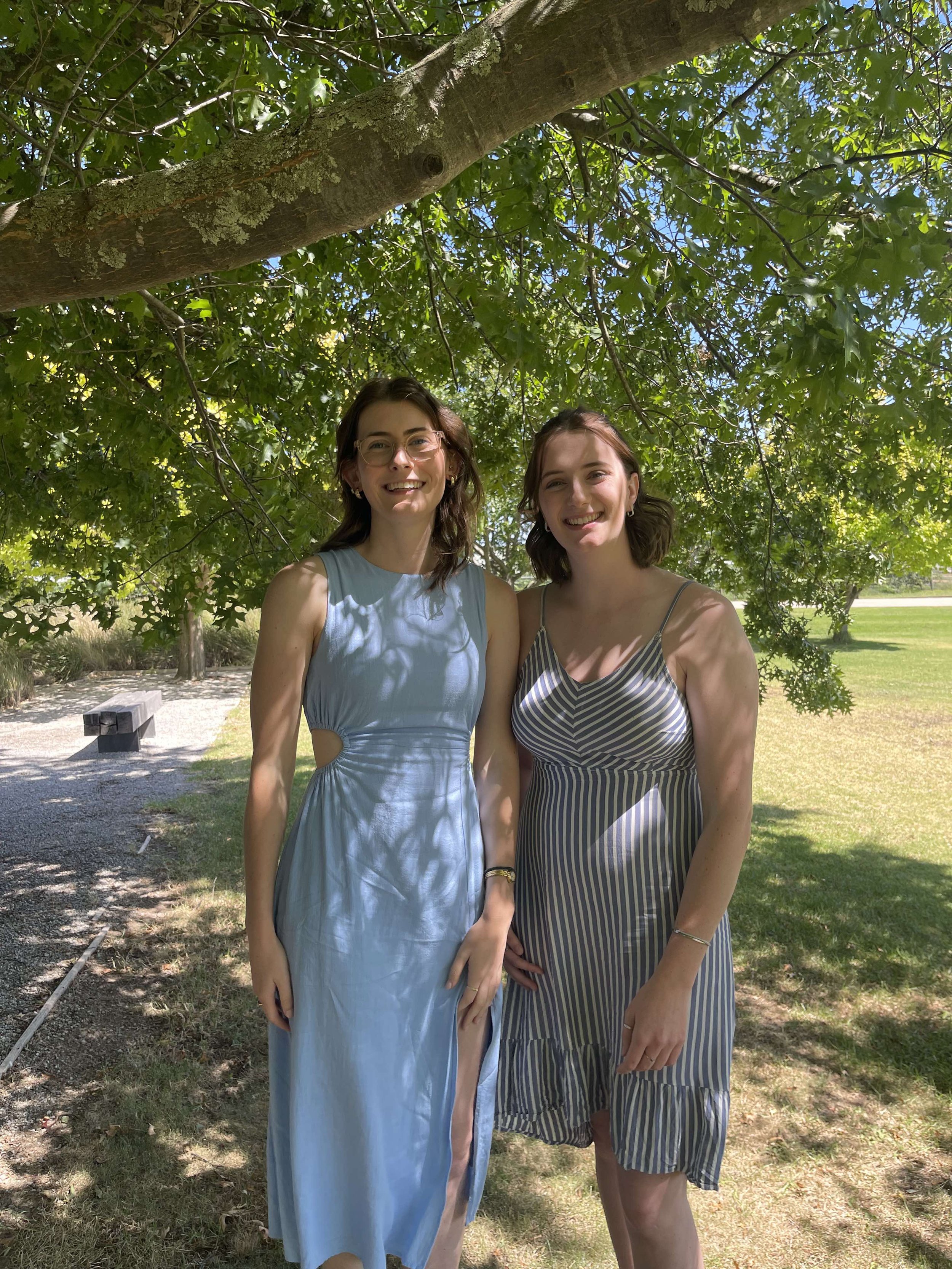
According to research, nearly 80% of doctors have experienced a distressing patient event in the last year, and many go on to suffer from depression, anxiety, and PTSD. Two Melbourne medical students, share how unprepared they felt to deal with the inevitable deaths of patients and how they are tackling this important issue.

Is death really taboo?
Sue Brayne has an MA in the Rhetoric and Rituals of Death and is an end-of-life researcher and she is the author of The D-Word: talking about dying.
In this blog for Part of Life, Sue explains how her work with the Death Café movement has led her to believe that talking about death is no longer the taboo it once was, but what we lack is the understanding of how to talk about death and dying.

Burial customs from around the world
In the western world, though our funerary practices are evolving, we are most familiar with two methods to dispose of the dead: burial and cremation. In other parts of the world, the treatment of the dead and disposal of remains can vary enormously, with vastly differing rituals and beliefs.

A Good Goodbye
What makes a good goodbye? We invited independent funeral celebrant, and ex-social worker, Susanna Watson to share her thoughts on what elements make for a good funeral send off.

Cemetery Photography
Ever heard of Taphophilia? We approached tombstone tourist, Madame Cimetière, to share her love of cemetery photography and discover more about this respectful and beautiful art form.

Dr. Kate Woodthorpe on the future of grief
Part of Life spoke to Dr. Kate Woodthorpe, Co-Director of the Centre for Death and Society (CDAS) at Bath University, about how she came to work in death studies and where she believes the future of grief is heading.

‘Get Mortal’ - Dead Good Parties
We are sisters, Katy and Lindsey Vigurs (Vigurs rhymes with tigers). We are the founding directors of DEAD GOOD, a not-for-profit, arts-based death education company that aims to end taboos around all things death and dying. We have deliberately introduced a bright, bold and quirky vibe to the death education scene in the UK.
Kicking the Bucket – A festival of living and dying
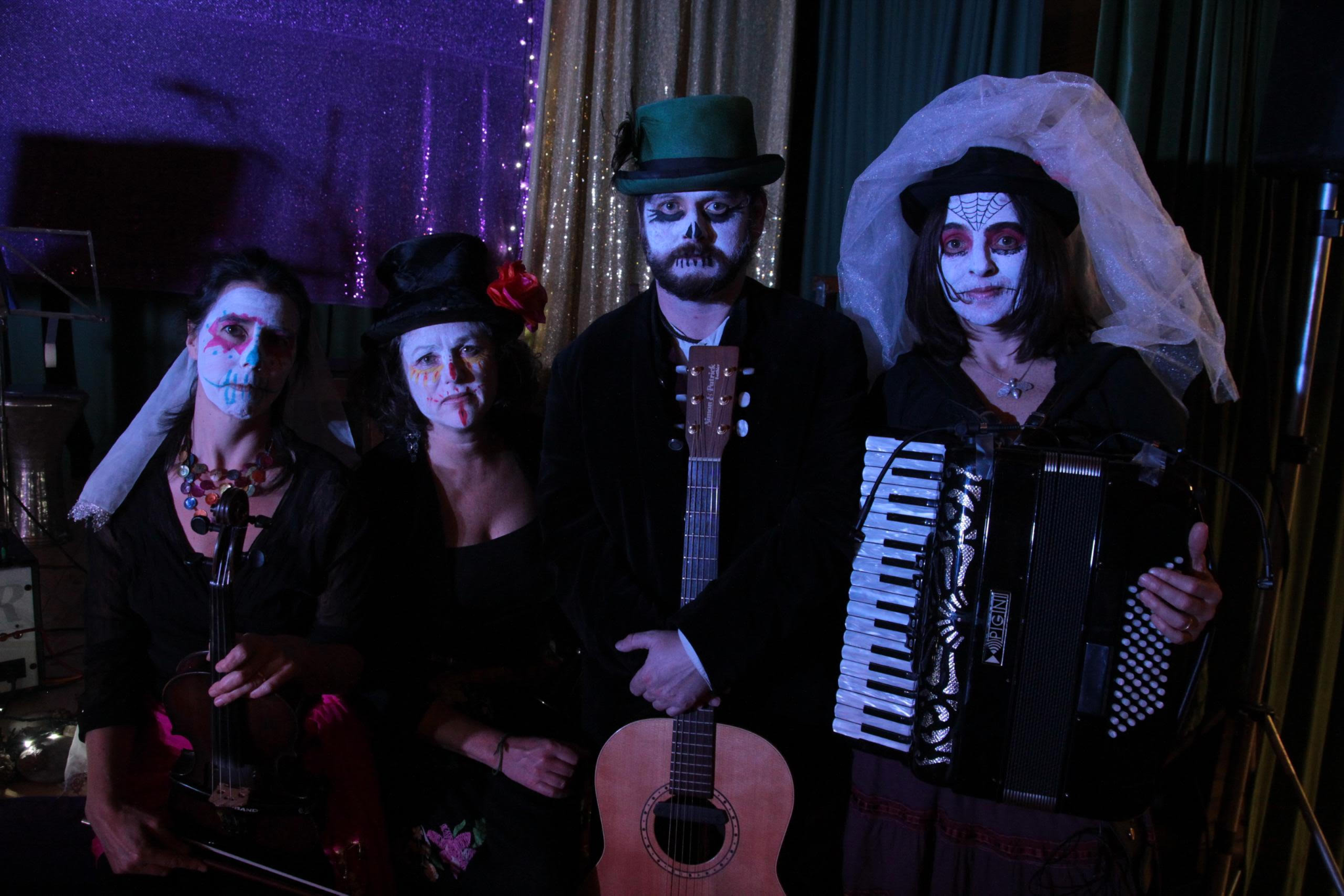
Liz Rothschild set up the Kicking the Bucket Festival in 2012. Working as a celebrant and burial ground manager, she realised that it was essential to talk with people before a bereavement in order for people to feel able to ask for what they really need. Here, Liz tells us about why she started the festival, what it involves, and how it helps to destigmatise the taboo subject of death and dying.
A Grandparent’s Grief
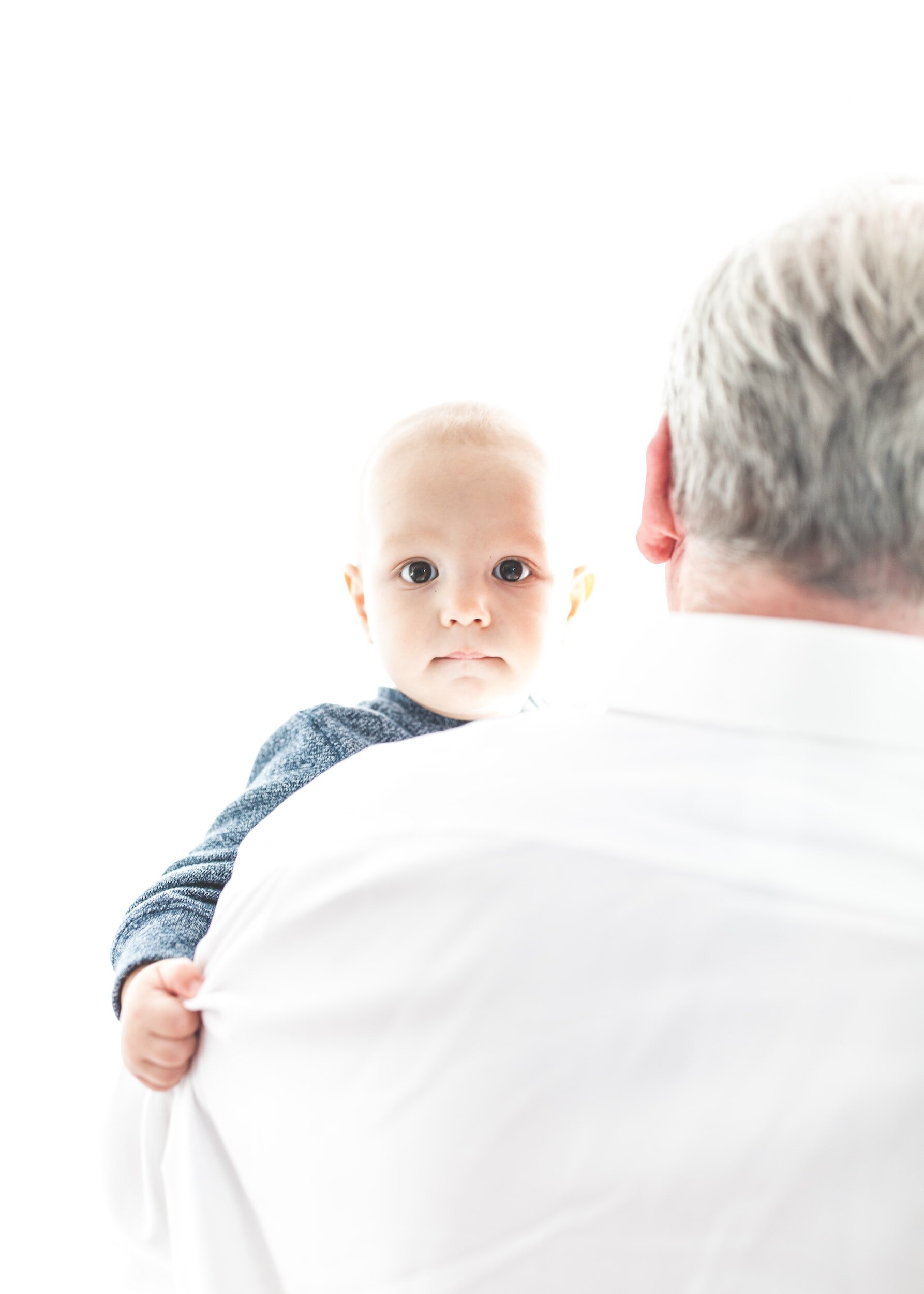
The death of a grandchild is hard to bear. But the death of three and his own wife, seems incomprehensible. Self declared ‘problem solver’ and grandfather Peter Hime, shares his perspectives on making death a part of life for children and how to support a family through the impossible.

End of life care and learning disabilities
People with a learning disability and autistic people, who die earlier than the rest of the population face little or no end-of-life care planning. Lynnette Glass, BSW LeDeR area coordinator writes about their ambition to change this inequality.
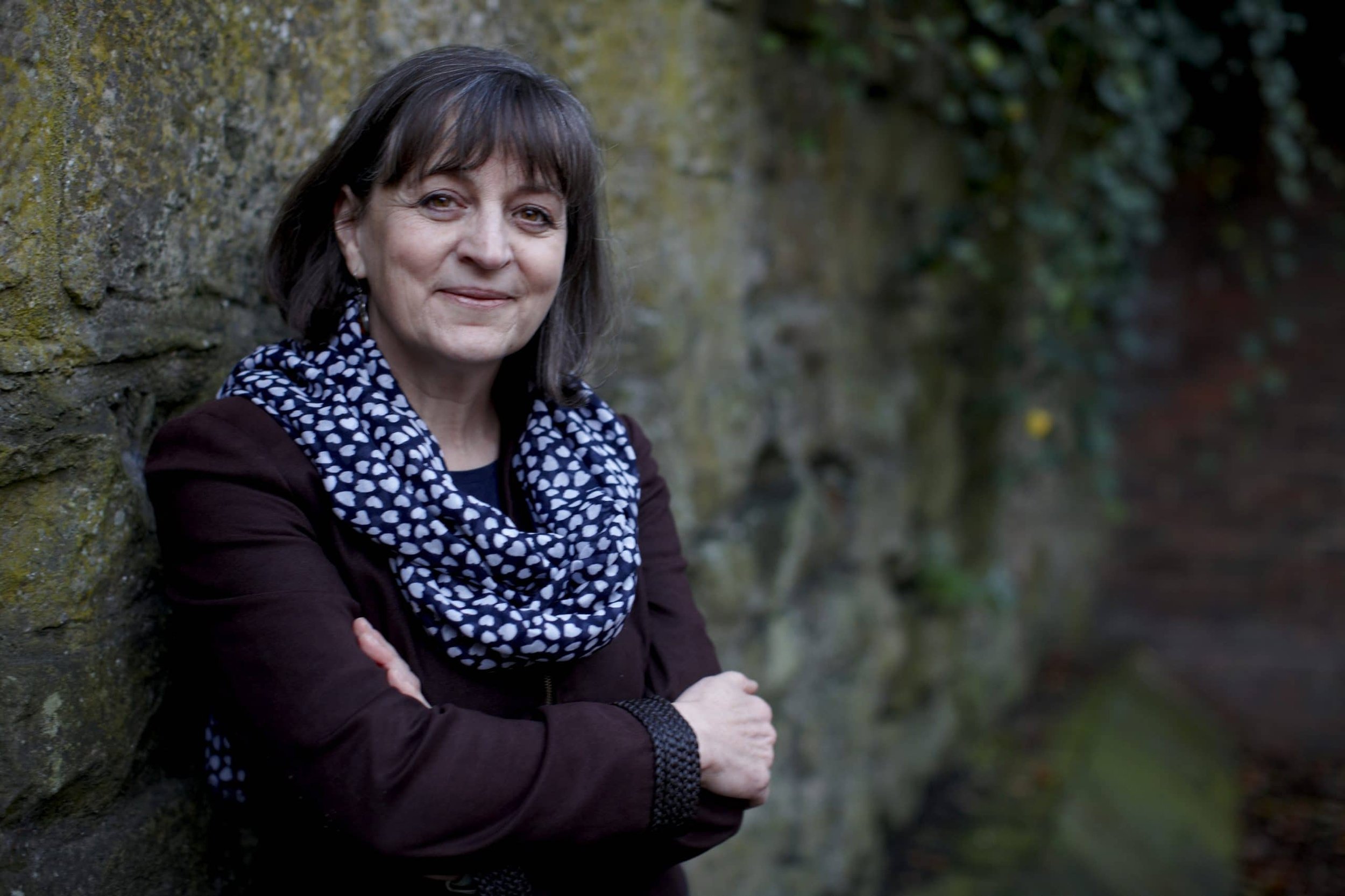
In conversation with Kathryn Mannix
Wayne de Leeuw, ex-palliative care nurse and CEO of Dorothy House Hospice, interviews writer, speaker and palliative care specialist, Kathryn Mannix.

From the mouths of babes…
19 year-old Jess’s Mum died in May 2021. In this honest and disarming interview Jess shares her experience of death, grief and bereavement and its catastrophic impact on her academic career and personal life.